Home Blog Page 106

Everyday Movements

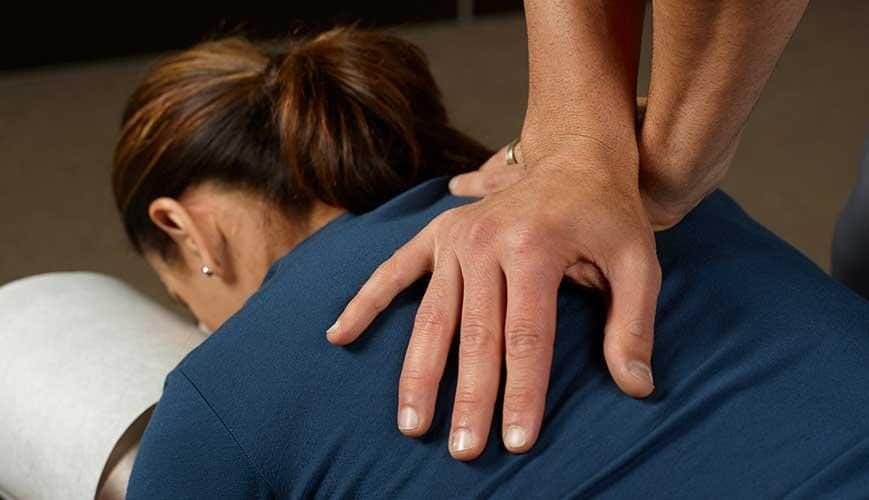
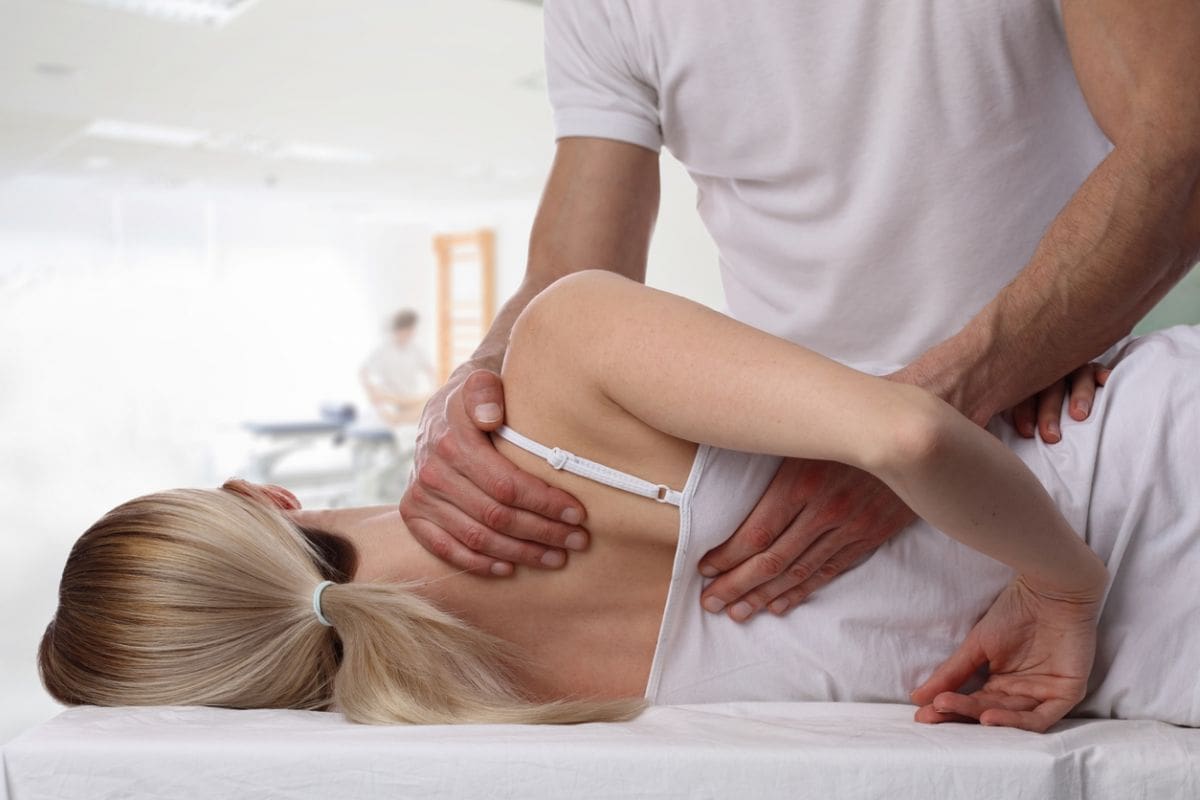
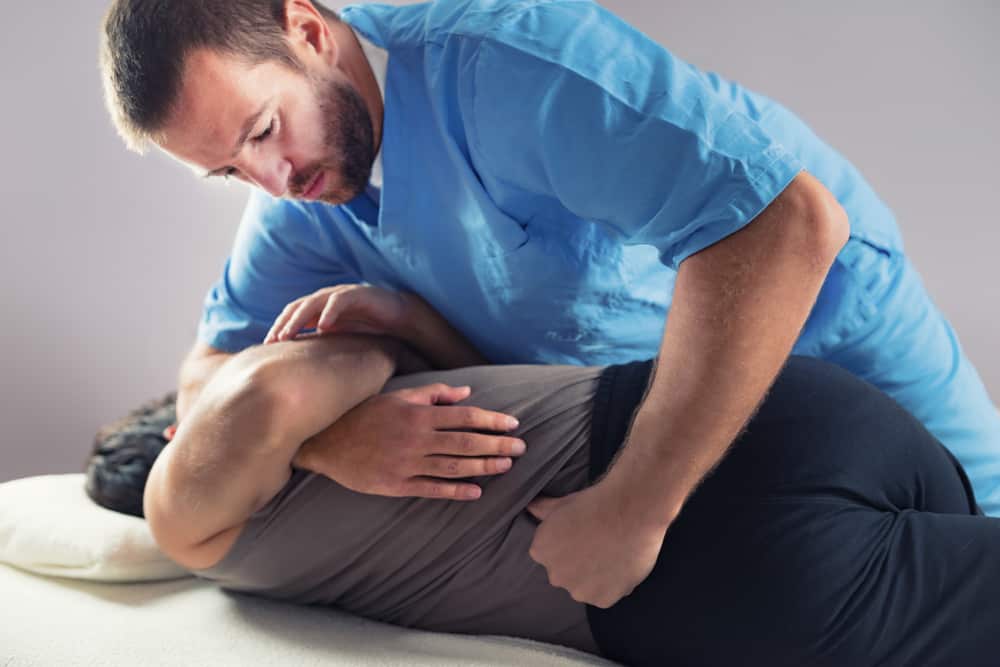
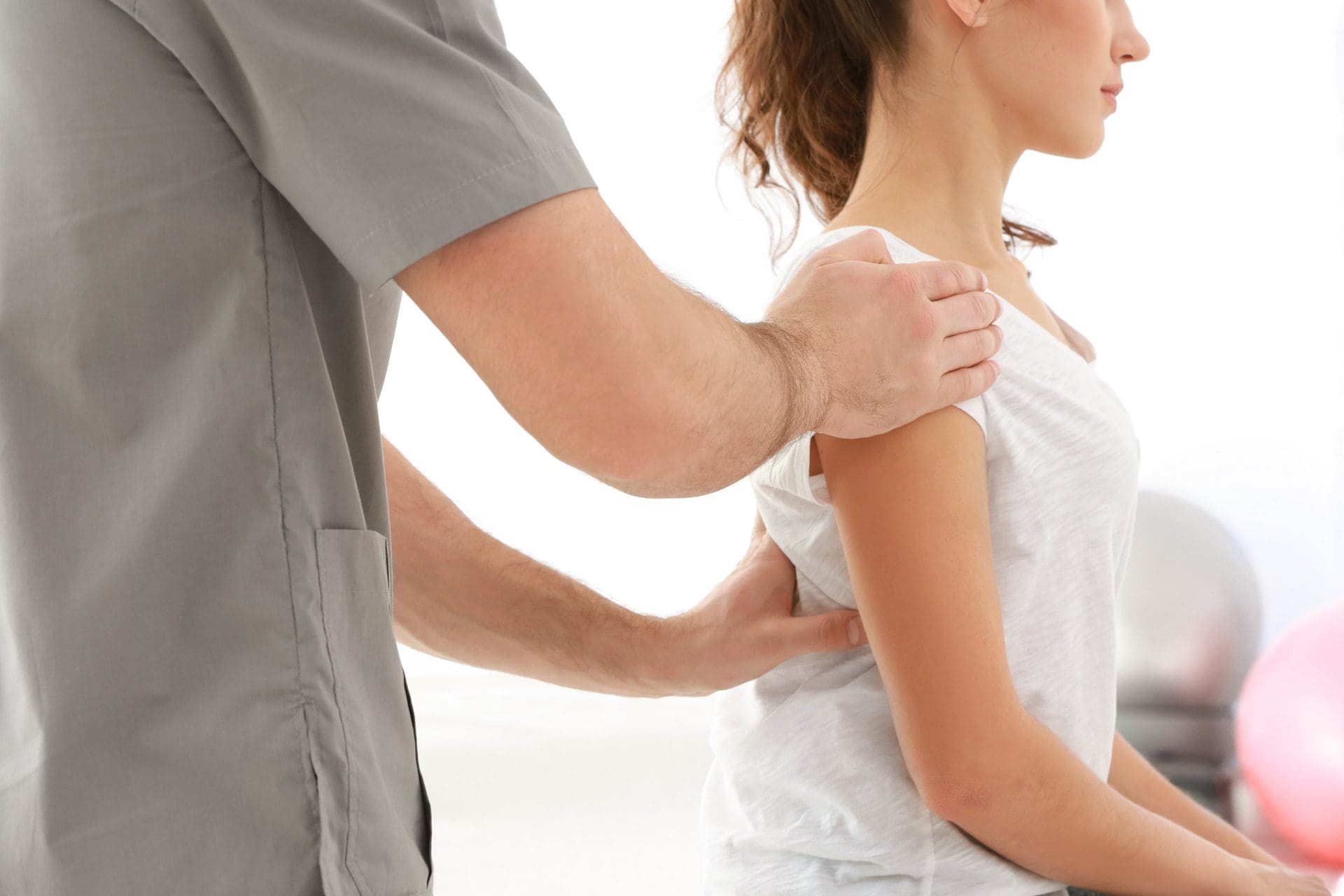
Cropped head back view portrait of unrecognized female in black sportswear standing in medical office while male massage therapist examining her back and spine

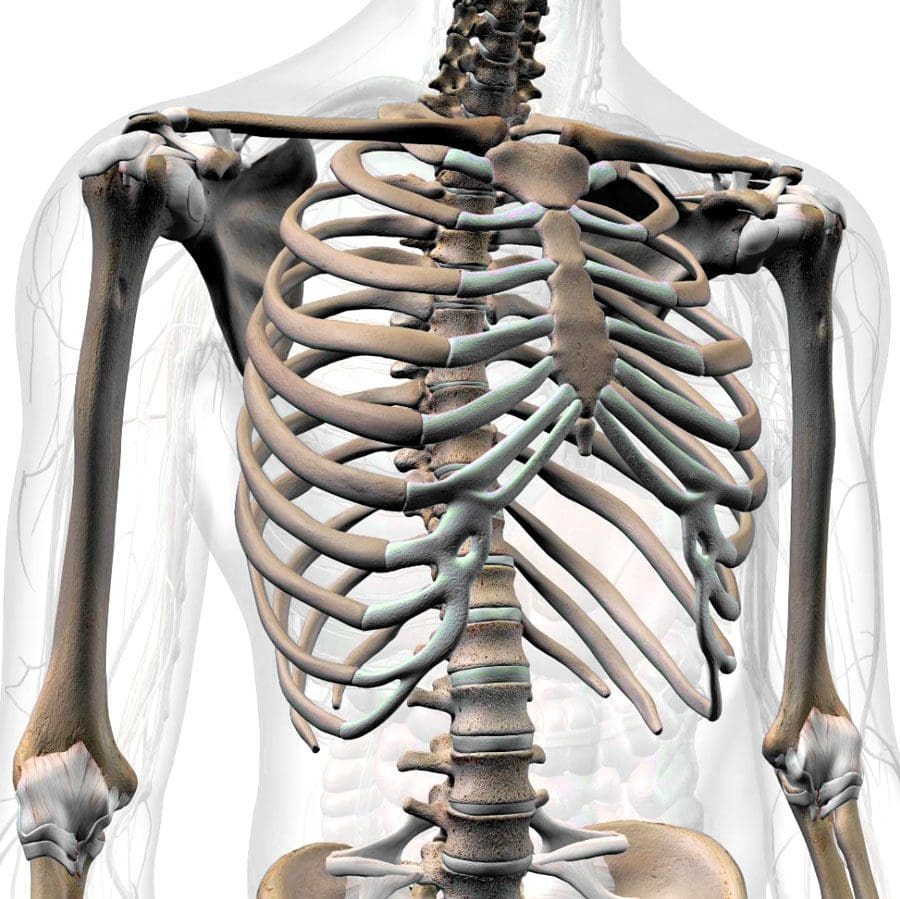
Posture is how we hold our bodies while standing, sitting, or lying down. A healthy posture is the correct alignment of the body supported by the right amount of muscle tension. Our everyday movements and activities affect the body’s alignment. A postural imbalance can impact the body’s health in various ways. It can cause:

  • General soreness
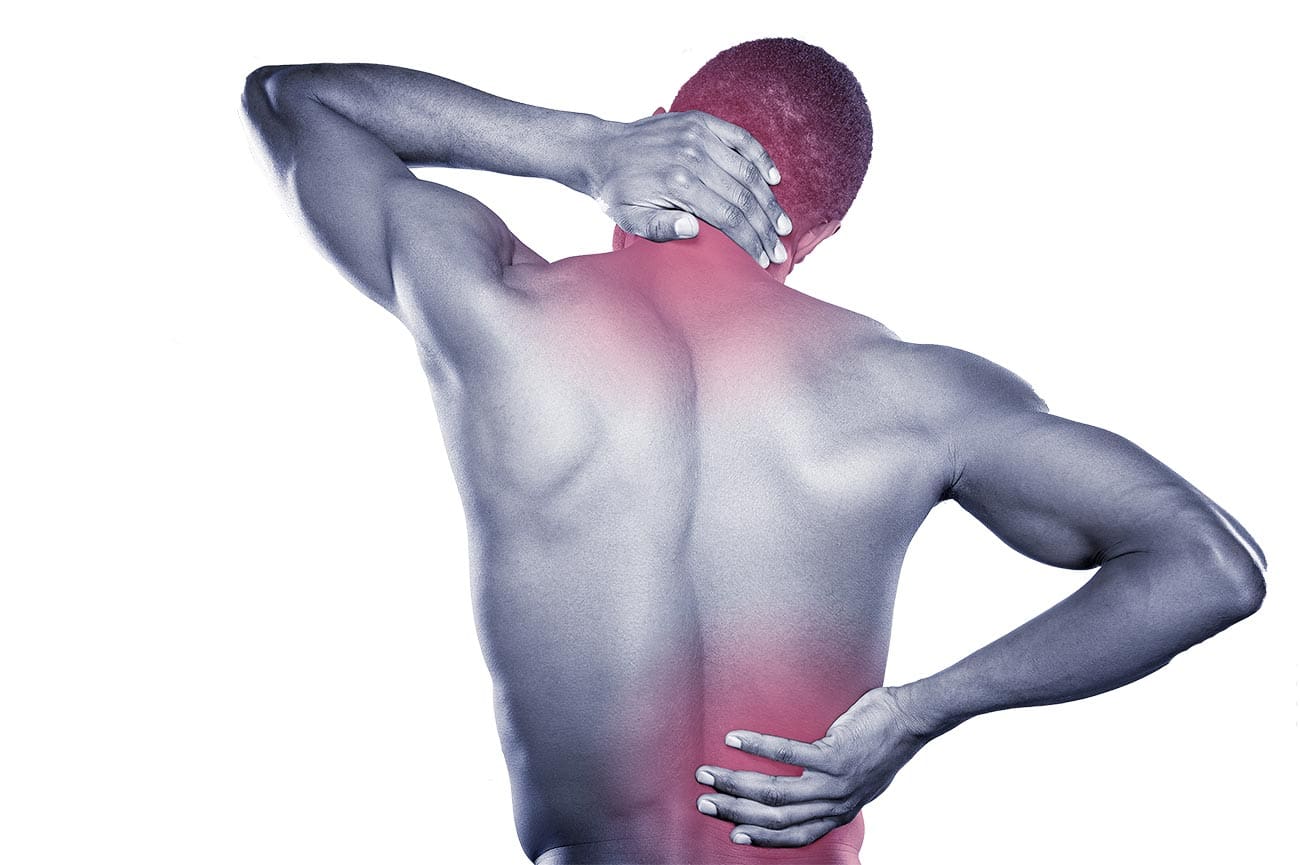
  • Back pain
  • Muscular pain
  • Fatigue
  • Digestive problems
  • Poor self-esteem

Unhealthy posture can increase the risk of spinal dysfunction, joint degeneration, stress joints, and muscles, resulting in permanent damage if left untreated. The best way to prevent postural imbalances is to be aware of the causes utilize proper ergonomic and movement strategies that can help avoid these problems. As the everyday bad habits, behaviors, and activities are understood, it is much easier to prevent and correct them.

Everyday Movements

Everyday Posture Is Important

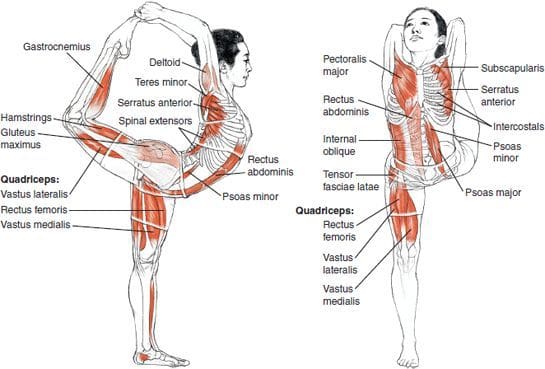
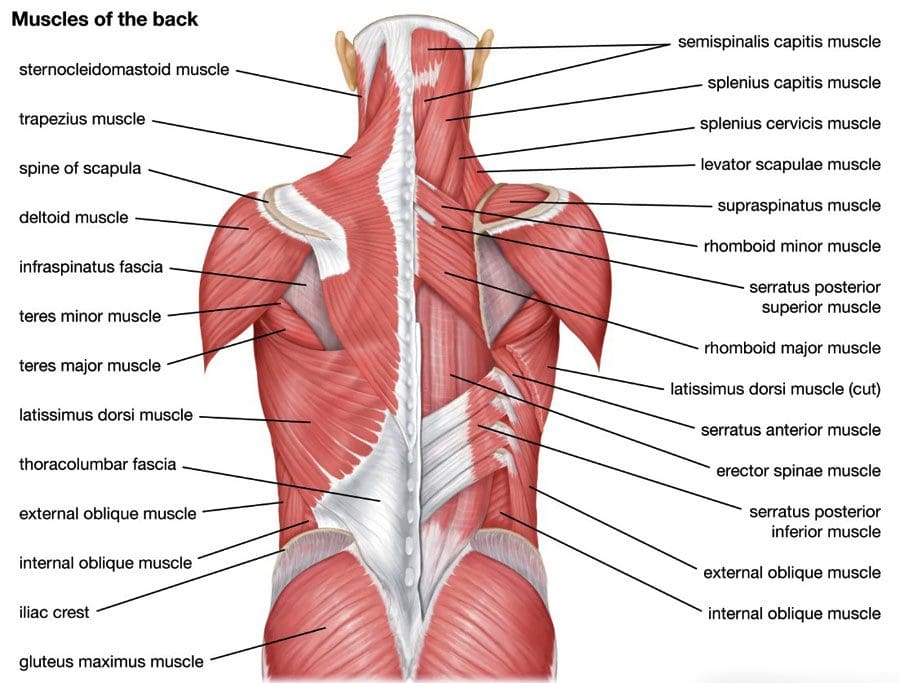
Specific muscles maintain the body’s posture, so we don’t have to think about it and constantly adjust. Muscle groups, including the hamstrings and large back muscles, are essential in maintaining healthy positions. When the muscles function correctly, the postural muscles prevent gravity from pushing the body forward. Postural muscles also maintain balance when moving. A healthy posture reduces strain on the supporting muscles and ligaments during everyday movement and weight-bearing activities. Engaging in healthy posture helps:

  • Keep the bones and joints in correct alignment so that the muscles function correctly.
  • Decrease the abnormal wearing of joints resulting in degenerative arthritis and joint pain.
  • Reduce the stress on the ligaments holding the spinal joints together, preventing injury.
  • Allow muscles to work more efficiently.
  • The body exert less energy.
  • Prevent muscle fatigue and muscle pain.
  • Prevent muscle strain and overuse disorders.

Unhealthy Posture

Unhealthy posture results when the body sits or stands with the spine in an abnormal position. When an individual practices unhealthy posture over a long period, it progressively leads to muscles and ligaments becoming elongated and weak, while others become short and tight. This creates a physical imbalance that leads to postural abnormalities like:

  • Rounded shoulders
  • Forward head posture
  • Thoracic kyphosis or hunched back
  • Lumbar lordosis
  • Swayback
  • Limited mobility
  • Increases the risk of injury

Causes

Habits

  • Individuals can begin to develop unhealthy habits that negatively impact their posture, like walking with their head looking towards the ground. This shifts the body out of alignment.

Sitting For Too Long

  • Spending too much time sitting even with the correct posture will impact the spine and muscles. It weakens the muscles, ligaments, and abdominals.

Weight

  • Carrying extra weight can force the spine into an awkward position. This is true for individuals with pot bellies, as it pulls the lower back forward, increasing the risk of lumbar lordosis.

Unhealthy Diet

  • If the spine does not have access to the vitamins and nutrients it needs, it can struggle to maintain its strength and flexibility. It is also more difficult for the body to repair damage to the spine’s muscles and ligaments.

Clothing and Footwear

  • Clothing and footwear can impact posture.
  • High heels, poor-fitting shoes, saggy jeans, large belts, heavy jackets, and other items can force the spine into an unnatural position.
  • These are fine to wear for short periods but avoid wearing them day in and day out.

Treatment

Chiropractors specialize in issues affecting the spine, especially posture. They can:

  • Perform a postural examination involving a complete assessment of the musculoskeletal system to identify any joint misalignments and issues that affect soft tissue.
  • Perform adjustments of misaligned joints using various techniques.
  • Recommend stretches to loosen/lengthen tight muscles and strengthen weak ones, leading to improvements. A chiropractor will develop an effective stretching regimen to target the correct muscles.
  • Recommend nutritional advice, exercise, and everyday habit adjustments.

Body Composition


Insulin Resistance

Individuals who sit for extended periods, don’t exercise and don’t watch their diet can experience insulin resistance. Insulin resistance happens when insulin cannot transport excess blood sugar out of the blood and into the muscles. One study found that women who sat for eight hours a day had a higher chance of developing diabetes. Individuals with diabetes tend to have more fat within their bodies, particularly visceral fat, increasing insulin resistance potential. Individuals with diabetes experience a faster loss of muscle mass as they age, further intensifying symptoms and deterioration of body composition.

References

Feldman, Anatol G. “The Relationship Between Postural and Movement Stability.” Advances in experimental medicine and biology vol. 957 (2016): 105-120. doi:10.1007/978-3-319-47313-0_6

Jaromi, Melinda et al. “Treatment and ergonomics training of work-related lower back pain and body posture problems for nurses.” Journal of clinical nursing vol. 21,11-12 (2012): 1776-84. doi:10.1111/j.1365-2702.2012.04089.x

Jung, Suk Hwa et al. “Visceral Fat Mass Has Stronger Associations with Diabetes and Prediabetes than Other Anthropometric Obesity Indicators among Korean Adults.” Yonsei medical journal vol. 57,3 (2016): 674-80. doi:10.3349/ymj.2016.57.3.674

Pope, Malcolm H et al. “Spine ergonomics.” Annual review of biomedical engineering vol. 4 (2002): 49-68. doi:10.1146/annurev.bioeng.4.092101.122107

Jackknife Tractor-Trailer Accidents and Crashes

Tractor-trailer semi-trucks are a vital part of our transportation/supply system. However, weather, drivers that are not careful and/or well-trained can cause dangerous and sometimes fatal accidents. One type of accident resulting from truck driver negligence is the jackknife accident. Jackknife accidents are extremely catastrophic because they can involve numerous vehicles. Almost all of them involve life-altering or fatal injuries. Here’s what to know about these violent truck crashes. ​
Jackknife Tractor-Trailer Accidents and Crashes

Jackknife Collision

A jackknife occurs when the trailer of semi-truck swings to one side at a 90-degree angle and uncontrollably overtakes other lanes of traffic. The term comes from the look of the tractor-trailer after the crash resembling a jackknife or the letter L. When a jackknife wreck happens, the trailer and cab can hit and crush other vehicles in its path. It can also block numerous lanes leading to additional collisions. Jackknife crashes can also be considered rollover crashes when the truck slides and rolls over onto its side, although not all rollovers end in a jackknife.

Causes

Jackknife collisions are often either the cause of driver negligence or inclement weather, other distracted drivers, truck maintenance, or a combination. These include the following:

Excessive Speed

  • If a truck driver is speeding, the trailer can slide sideways and jackknife when forced to stop too quickly.
  • The average tractor-trailer weighs about 80,000 pounds.
  • The average length of a trailer is between 70 – 80 feet.
  • Tractor-trailer trucks need 40% more time to brake.

Weather Conditions

  • If drivers do not take it slow enough, bad weather or road conditions can also cause a jackknife.
  • Ice, snow, rain, loose gravel, or loose asphalt can cause trailers to bounce and slide.
  • Hazardous road conditions, as accumulated oil can cause slipperiness.

Improper Following Distance

  • Truck drivers that do not provide an adequate following distance to allow for a safe stopping distance can cause the trailer to slide sideways and jackknife when having to slam on the brakes.
  • Drivers who do not exercise caution as they enter and properly maneuver down hills or curves can end up shifting out of position and possibly topple over.

Driver Operator Fatigue

  • Many tractor-trailer accidents/crashes happen when drivers have logged too many hours without proper rest.
  • When the body is tired, response time suffers.
  • If a driver is groggy, they lack the cognizance to maneuver out of a dangerous situation.

Inexperienced or Untrained Operators

  • Driving a truck is a demanding job that requires several skill sets and experience.
  • Truck companies try to lower costs by using inexperienced drivers that don’t have the training or experience for long hauls or driving on busy/dangerous highways and interstates.

Load Balance

  • Safe truck driving ensures the trailer’s cargo is loaded correctly and the weight is equally distributed.
  • When the load is unbalanced, it can shift, causing the trailer to tilt or tip.
  • Unbalanced loads are a common factor in rollover crashes.

Lack of Maintenance

  • Drivers or companies that ignore:
  • Routine maintenance
  • Alignment checks
  • Brake pad replacement
  • All can lead to accidents and crashes.

Research shows that jackknife crashes can cause widespread damage, as they usually spread across multiple lanes of traffic. Because of this, there is the danger of secondary crashes or vehicles not initially involved in the crash, running into the tractor, trailer, or scattered wreckage and debris.


18 Wheeler Accident Chiropractic Treatment


Analysis An Effective Tool In Physical Therapy Rehabilitation

Body composition is essential for understanding an individual’s physiological makeup and guiding a personalized treatment plan to target specific areas. InBody is non-invasive and convenient, making it ideal for rehabilitation practices. The InBody test provides comprehensive results that can educate and engage individuals in tracking their progress throughout their physical therapy. In less than 60 seconds, the InBody Test provides easy-to-understand, accurate, and objective measurements. Chiropractors and physical therapists use the InBody for:

  • Assessing muscle distribution.
  • Targeting areas weakened by injury or surgery.
  • Identifying fluid imbalances related to inflammation or postoperative edema.
  • Monitoring changes to determine the efficacy of exercise programs.
  • Guiding recommendations to ensure long-term success.
References

Girotto, Edmarlon et al. “Working conditions, and sleepiness while driving among truck drivers.” Traffic injury prevention vol. 20,5 (2019): 504-509. doi:10.1080/15389588.2019.1609670

Gray, Garry. “A bird’s eye view of driving safety culture: Truck drivers’ perceptions of unsafe driving behaviors near their trucks.” Work (Reading, Mass.) vol. 64,2 (2019): 187-194. doi:10.3233/WOR-192985

Smith, Joyce A et al. “Spine and spinal cord injury in motor vehicle crashes a function of change in velocity and energy dissipation on impact with respect to the direction of the crash.” The Journal of trauma vol. 59,1 (2005): 117-31. doi:10.1097/01.ta.0000171534.75347.52

Stavrinos, Despina et al. “Commercial Truck Driver Health and Safety: Exploring Distracted Driving Performance and Self-Reported Driving Skill.” Workplace health & safety vol. 64,8 (2016): 369-76. doi:10.1177/2165079915620202

Stein, H S, and I S Jones. “Crash involvement of large trucks by configuration: a case-control study.” American Journal of public health vol. 78,5 (1988): 491-8. doi:10.2105/ajph.78.5.491

Leg Spasms and Cramping

Portirat of a fitness woman stretching legs at outdoor stadium

Leg spasms and cramps are common conditions where the muscles in the leg suddenly become tight and painful. They present with no warning and can cause excruciating and debilitating pain. They usually occur in the calf muscles but can affect any area of the leg, including the feet and thighs. After the cramping has passed, pain and tenderness can remain in the leg for several hours. Although many leg spasm episodes go away by themselves, they can disrupt normal activities, exercise regimens, and sleep if they continue and are left untreated.

Leg Spasms and Cramping


Leg Spasms and Symptoms

A leg spasm is a sudden, sharp contraction or tightening of a muscle in the leg. This can last a few seconds to a few minutes. Muscle cramps anywhere in the body cause sudden contraction of the muscle. This is an involuntary function and can include the following symptoms:

  • Soreness and discomfort can be mild to extreme.
  • Muscle tightening.
  • Hardening of the muscle.
  • Twitching of the muscle.
  • Pain.

Leg spasms are typically brief and go away on their own, but individuals are recommended to seek treatment if they are frequently experienced or last for extended periods.

Causes

Dehydration

  • Dehydration is a common cause of leg spasms and pain.
  • Lack of fluids can cause the nerve endings to become sensitized, triggering muscle contractions.

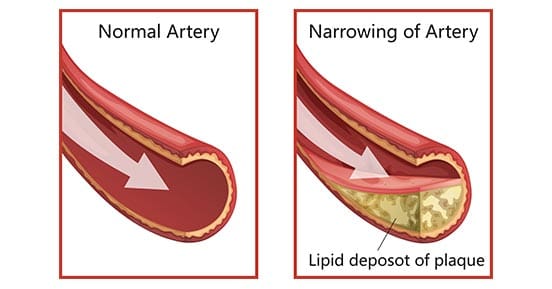
Peripheral Artery Disease

Mineral Deficiency

  • When the body sweats, it loses water and electrolytes.
  • When the body is low on electrolytes
  • Imbalances in:
  • Sodium
  • Calcium
  • Magnesium
  • Potassium
  • It can affect nerve transduction and lead to muscle spasms.

Hypothyroidism

  • If the body does not produce sufficient thyroid hormone, this is known as hypothyroidism.
  • Over time, this deficiency can damage the nerves that send signals from the brain and spine to the legs.
  • Tingling, numbness, and frequent cramping can result.

Spinal Misalignment

  • Spinal misalignment can compress nerve roots that run down the leg.
  • This can cause radiating leg pain and spasms, specifically in the back of the thigh.

Muscle and Connective Tissue Injuries

  • Injuries like tears, strains, and sprains can lead to leg spasms and frequent cramping.

Pregnancy

  • In the second and third trimesters of pregnancy, calcium and magnesium deficiency are common and can lead to leg spasms and cramps.

Treatment

The proper course of treatment for leg spasms depends on the severity and underlying cause/s. A chiropractor can identify the cause and develop a personalized treatment plan to relieve and eliminate leg cramps.

Chiropractic

  • Misalignments can compress the nerve roots radiating from the spine to the legs.
  • This can lead to radiating leg pain and/or leg spasms.
  • Realignment through chiropractic can relieve the pressure on compressed nerve roots, alleviating leg discomfort and pain.
  • A chiropractor will also recommend exercises and stretches to strengthen the legs and core muscles.

Physical Therapeutic Massage

  • A physical therapist will use various massage techniques to relax the leg muscles to prevent and reduce the severity of spasms.
  • Massage therapy will relieve any inflammation that accompanies leg spasms, decreasing pain and swelling in the area.

Health Coaching

  • Leg spasms can be caused by nutritional deficiency.
  • As a part of the treatment plan, a health coach will evaluate the individual’s diet and suggest changes that will help address any nutritional deficiencies contributing to leg spasms and cramps.

Body Composition


Track Inflammation and Fluid Imbalances From Injury or Surgery

Inflammation can occur with little to no visible symptoms following surgery or injury. Precision measurement of body water can detect water retention and inflammation to aid rehabilitation treatment. InBody effectively distinguishes water in the following compartments that comprise total body water.

  • Intracellular-ICW-within the tissues.
  • Extracellular-ECW-within the blood and interstitial fluids.
  • The Edema Index can be used to detect fluid imbalances resulting from inflammation from injury or recovery after surgery.

Assessing fluid balance in the body and specific segments can help identify inflammation and guide treatment to reduce the risk of re-injury or post-surgery complications. These measurements are provided for the whole body and can determine where fluid imbalances may be occurring for more precise analysis.

References

Araújo, Carla Adriane Leal de et al. “Oral magnesium supplementation for leg cramps in pregnancy. An observational controlled trial.” PloS one vol. 15,1 e0227497. 10 Jan. 2020, doi:10.1371/journal.pone.0227497

Garrison, Scott R et al. “Magnesium for skeletal muscle cramps.” The Cochrane database of systematic reviews vol. 2012,9 CD009402. 12 Sep. 2012, doi:10.1002/14651858.CD009402.pub2

Kang, Seok Hui et al. “Clinical Significance of the Edema Index in Incident Peritoneal Dialysis Patients.” PloS one vol. 11,1 e0147070. 19 Jan. 2016, doi:10.1371/journal.pone.0147070

Luo, Li et al. “Interventions for leg cramps in pregnancy.” The Cochrane database of systematic reviews vol. 12,12 CD010655. 4 Dec. 2020, doi:10.1002/14651858.CD010655.pub3

Mekhail, Nagy et al. “Long-term safety and efficacy of closed-loop spinal cord stimulation to treat chronic back and leg pain (Evoke): a double-blind, randomized, controlled trial.” The Lancet. Neurology vol. 19,2 (2020): 123-134. doi:10.1016/S1474-4422(19)30414-4

Young, Gavin. “Leg cramps.” BMJ clinical evidence vol. 2015 1113. 13 May. 2015

The Latest Guidelines: Male Hormones | Part 1

Introduction

Hormones in the body control the organs and the entire body system, from the endocrine system to the body’s temperature. When hormones get out of balance, they can lead to chronic problems.   Over the last decade, many of our patients have asked great complex and insightful questions about hormone replacement therapies. We refer patients to skilled and qualified providers specialized in hormone wellness services.  To that end, and when appropriate, we advise our patients to refer to our associated medical providers based on their examination.  We find that education is the key to asking good questions to our providers. We provide this information as an educational service only. Disclaimer

What Is Hormone Replacement Therapy?

Hormone replacement therapy can help older males replenish testosterone hormone levels. Another thing that hormone replacement therapy can provide is that it can reduce the levels of androgens in the body to prolong the process of prostate cancer while also lowering adrenal gland over-production.

Low T: The Clinical Problem

Hypogonadism affects 30% of men aged 40-79

– A gradual, age-associated decline in serum total testosterone levels begins in men
in their mid-30s and continues at an average rate of 1.6% per year

  • Symptoms
    – Fatigue / Cognitive function decline
    – Decreased libido
    – ED
    – Depression, irritability, decreased sense of well-being
    – Decreased muscle mass / increased body fat
    – Decreased bone mineral density

Pregnenolone

  • Synthesized directly from cholesterol
    – Precursor to all other sex hormones
  • Levels start to decline around age 30
  • Functions to:
    – Enhance nerve transmission and memory
    – Improve energy and sleep
    – Increase stress resistance
    – Mood elevation– Reduce pain and inflammation
  •  Deficiency associated with:
    – Depression
    – Fatigue
    – Inability to deal with stress
    – Insomnia
    – Lack of focus
    – Memory decline

Pregnenolone Dosing

  • Pregnenolone SR to start at 10mg per day and
    titrate up slowly until you reach a blood level of 100
    which is optimal
  • SR form more physiological
  • Can cause agitation and anxiety if titrate too fast or if
    the dose is high for patient

Progesterone

  • Made by the adrenal glands
  • Precursor to androstenedione
  • Levels start to decline in men around age 60
  • Functions to balance estrogen
    – Inhibits aromatase and 5-alpha reductase
    – Antagonizes stimulatory effects of estrogen on the prostate gland
    and lowers PSA
    – Stimulates anti-tumor antigen, p53, to prevent prostate cancer

Progesterone Dosing

  • In men, you start with 3-5mg topically daily
  • Usually added to testosterone/Chrysin cream
    topically
  • Can use capsule form if the patient has sleep
    issues. Dose range 5-15mg oral

DHEA

  • Made by the adrenal glands
  • The precursor to estrogen and testosterone
  • Production declines with age
  • Protective effect against:
    – Cancer, diabetes, obesity, high cholesterol, heart disease, and
    autoimmune diseases
  • Symptoms of deficiency:
    – Decreased energy & muscle strength, difficulty dealing with stress,
    increase risk of infection, irritability, joint soreness, and weight gain

Actions of DHEA

  • Prohormone for sex steroids
  • Anti-glucocorticoid
  • Immune supporting
  • Anti-atherogenic lowers serum triglycerides
  • Enhances insulin sensitivity; anti-obesity effect
  • Maintains tissue strength and repair, supports bone density
  • Neuroprotective; enhances memory
  • Promotes a sense of well-being
  • Libido enhancing

DHEA Dosing

Replacement linked with an improved libido, mood, erectile function

  • Improves neural protection, especially when Cortisol is high
  • Men need 25-50mg per day
  • SR form is more physiological
  • DHEA is a large molecule, and therefore, it is not well absorbed topically
  • Side effects include oily skin, hirsutism, acne
  • K-DHEA form can be used if concerned for cancer and want to bypass
    hormonal byproducts

Androstenedione

  • Common precursor of male and female sex hormones
    – Converted to testosterone through 17ơ-hydroxysteroid
    dehydrogenase
    – Converted to estrogen through the aromatase
  • Found in testes and adrenal glands
  • Short half-life
  • No reliable studies on benefits

Dihydrotestosterone (DHT)

  • Most potent naturally occurring androgen
    – 3 times more potent than testosterone
  • Synthesized from the conversion of testosterone
    through 5-alpha reductase
  • Responsible for formation of male sex-specific
    characteristics and development of male genitalia and
    prostate
    – Low levels can affect sexual function and libido, muscle
    tone
  • Elevated levels can cause:
    – Hirsutism
    – Male pattern baldness
    – BPH
    – Prostate cancer
  • 25% secreted by testes, 75% from
    bioconversion from T in liver, kidney, muscle,
    prostate, and skin
  • The blood concentration of DHT is 10% that of T but at least twice as potent due to increased affinity
    for androgen receptor; cannot be aromatized to
    estrogen
  • Produced in utero is responsible for the development
    of male sex characteristics
  • A primary contributing factor in androgenic
    alopecia, benign prostatic hypertrophy, hirsutism
    in women

Estradiol/Estrone

  • Made in muscle, skin, and adipose tissue
  • Adequate levels protect against bone fractures,
    and maintain cognitive function
  • Excess associated with:
    – Gynecomastia
    – Decreased sex drive/erectile dysfunction
    – The doubled risk of stroke
    – Higher rates of heart attack, peripheral artery disease,
    and coronary atherosclerosis
    – Insulin resistance
    – Rheumatoid arthritis
    – BPH
    – Prostate cancer

Testosterone

Testosterone is the principal male hormone in males that are important for normal males’ sexual development and functions.

  • Principal male hormone
  • Anabolic steroid produced from cholesterol
  • Primarily secreted in the testes and small amounts secreted
    from the adrenal glands
  • Functions:
    – Anabolic effects: increased muscle mass, bone density, and
    bone maturation
    – Androgenic effects: development of sex organs, deepening
    of voice, hair growth

Factors Contributing to Testosterone Decline

Many factors can contribute to the decline in male testosterone levels in the body.

  • AGE
  • Diet and insulin resistance
  • Stress levels/cortisol demand
  • Toxin exposure
  • Depression
  • Insomnia
  • Decreased muscle mass and strength
  • Osteoporosis
  • Decreased hair density
  • Erectile dysfunction

Male Diminished Libido

  •  Low Bioavailable Testosterone
    • Age-Related Testosterone Decline
      – (Leydig Cell Dies Every 4 Seconds)
    •  Obesity – Lowers Testosterone
    • Beta-Blockers, Statins, NSAIDs, SSRIs
    • High SHBG
      – Excess Prolactin
    • Inhibits Dopamine Release
    • Responsible for the Refractory Period

Andropause Contributes to Many Diseases

  • Diabetes/Metabolic Syndrome
  • Brain (Dementia, Alzheimer’s)
  • Heart (MIbs)
  • Frailty Syndrome/Sarcopenia
  • Bone (Osteoporosis)
  • Inflammation

Testosterone Decline

  • Testosterone declines with age, beginning in the
    early 30bs
  • By age 40, levels naturally decline by >1% per
    year
  • Testosterone production declines due to:
    – Increasing SHBG
    – Decreasing LH
    – Decreased Leydig cell activity
  • During the time between 25 to 75 years old:
    – 30% decrease in Total Testosterone
    – 50% decrease in Bioavailable Testosterone
  • Half of the healthy men between the ages of 50-70 years will
    have a bioavailable testosterone level below the lowest
    level was seen in healthy men who are 20-40 years of age.

TD and Metabolic Syndrome

When the testosterone hormone levels are low in a male’s body, it can also cause the body to develop metabolic syndrome.

  •  The increased risk of insulin resistance and
    metabolic syndrome is not due to changes in SHBG as the
    inverse relationship with low testosterone persists when
    looking at free T
  • Weight loss improves levels of both free and
    total T proportionate to the amount of weight
    loss
  • TD is associated with weight gain; weight loss
    improves T levels
  • ADT is associated with increased BMI and
    decreased lean body mass (compared to men
    who had surgery and no ADT for prostate cancer)

Things That Can Increase Insulin

  • High carbohydrate diet
  • Increased stress
  • Decreased estrogens
  • Increased testosterone
  • Insomnia
  • Increased DHEA
  • Decreased thyroid hormone
  • Excessive progesterone
  • Lack of exercise
  • High chronic stress causes low DHEA and low testosterone
  • Cortisol will act as an anti-testosterone in the body

Conclusion

All in all, the effects of a healthy male’s hormone levels can be affected when the body is not taken care of or due to natural causes. Low testosterone levels can cause prolonged effects like metabolic syndrome and insulin resistance. By combining a healthy diet and regular exercise can help the body achieve its overall wellness.

Disclaimer

Nutrition, The Nervous System, and The Spine

Making nutritional choice.Confident young man holding apple and shopping bag while standing in a food store

Proper nutrition can be difficult for individuals with work, school, and busy schedules to prepare fresh, healthy meals. Healthy food is essential for a healthy nervous system and spine to promote a healthy musculoskeletal system, metabolism, bone strength, tissue growth, and repair. The body requires more nutritional value to heal itself to support damage or injury.

Nutrition, The Nervous System, and The Spine

Nervous System and The Spine

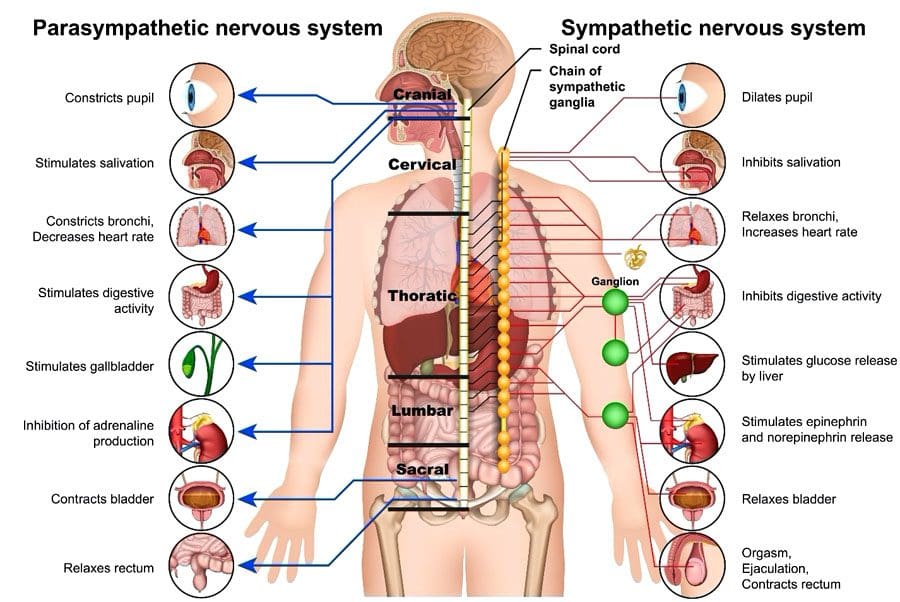
The nervous system runs throughout the body like an interstate highway and impacts every bodily function. Disrupting signals can cause a backup, like a massive traffic jam. At that point, no matter how healthy the diet is, the body is unable to process all the food thoroughly to break down all the nutrients. Chiropractic adjustments ensure that blood circulation and nerve energy flow function optimally so that messages sent from the brain and body are transmitted without disruption.

Disrupted Nervous System

The nervous system influences every part of the body, and digestion is no exception. The nervous system tells the body what it needs to do with the food/fuel. When the nervous system is unbalanced and experiencing problems, the nutrients that the body needs don’t get appropriately stored, broken down, or used correctly, leaving the body feeling not full and unsatisfied.

Nutrition Improves Musculoskeletal Health

It is essential to understand that nutrition and musculoskeletal health depend on a healthy nervous system and spine.

  • Food high in protein and calcium increases bone density.
  • Protein and calcium are vital as the body ages.
  • A healthy skeletal structure will ensure and maintain a healthy body.
  • Food is the primary source of nutrients for the body to rebuild and repair torn muscles.

The Relation Between Nutrition And Recovery

Nourishment plays a vital role in maintaining the body’s health and helps in reducing the risk of illness or injuries. There are several links between nutrition and recovery that includes:

Injury Rehabilitation

  • A diet rich in antioxidants like:
  • Berries
  • Apricots
  • Grapes
  • Milk
  • Nuts
  • The body becomes stronger to combat inflammation.

Foods rich in lean protein like:

  • Yogurt
  • Tofu
  • Beef
  • Provide the body with essential building blocks that help repair cellular damage.

Joint Or Back Pain Alleviation

  • Overweight and obesity generate unnecessary load on the spine or joints, resulting in back pain.
  • Reducing weight through proper nutrition filled with proteins and magnesium instead of unhealthy fats and calories will help reduce the strain being put on the musculoskeletal system.

Increased Energy Levels

  • Food high in sugar or preservatives makes the body feel sluggish and tired.
  • As a result, the body is constantly exhausted, fatigued, sleepy, and irritable.
  • Proper nutrition increases energy levels.
  • Maintaining the nervous system and spine’s overall health.

Body Composition


Malnutrition Risks

Malnutrition can be difficult to spot early, but there are various risk factors to recognize. These include:

  • Frailty is a strong predictor of malnutrition.
  • Decreased sense of taste or smell.
  • Constipation.
  • Impaired cognition.
  • Dysphagia – Difficulty swallowing.
  • Medications that affect appetite.
  • Tooth loss.
  • Parkinson’s disease.
  • Depression doubles the risk of malnutrition, especially among men.
References

Bollwein, J et al. “Nutritional status according to the mini nutritional assessment (MNA®) and frailty in community-dwelling older persons: a close relationship.” The journal of nutrition, health & aging vol. 17,4 (2013): 351-6. doi:10.1007/s12603-013-0034-7

Curtis, Elizabeth et al. “Determinants of Muscle and Bone Aging.” Journal of cellular physiology vol. 230,11 (2015): 2618-25. doi:10.1002/jcp.25001

Gentile, Francesco et al. “Diet, Microbiota and Brain Health: Unraveling the Network Intersecting Metabolism and Neurodegeneration.” International journal of molecular sciences vol. 21,20 7471. 10 Oct. 2020, doi:10.3390/ijms21207471

Oxland, Thomas R. “Fundamental biomechanics of the spine–What we have learned in the past 25 years and future directions.” Journal of biomechanics vol. 49,6 (2016): 817-832. doi:10.1016/j.jbiomech.2015.10.035

Pérez Cruz, Elizabeth et al. “Asociación entre desnutrición y depresión en el adulto mayor” [Association between malnutrition and depression in elderly]. Nutricion hospitalaria vol. 29,4 901-6. 1 Apr. 2014, doi:10.3305/nh.2014.29.4.7228

Arthritis Chiropractor

Side view of a mature Caucasian lady suffering from the joint pain in the street

Arthritis can be a debilitating disease that interferes with everyday life. There are over 20% of adults aged 65 and older that have arthritis along with all the symptoms like pain, stiffness, swelling, and decreased range of motion. The most commonly affected joints include the shoulders, hands, spine, hips, and knees. Arthritis results from damage to joint cartilage from various factors such as age, wear and tear, injury, being overweight, and disease. While medication and surgery are the most common treatment options, an arthritis chiropractor can offer a conservative, natural, non-invasive option to manage symptoms.

Arthritis Chiropractor

Arthritis Chiropractor Helps By

While arthritis, either caused by wear and tear – Osteoarthritis or disease – Rheumatoid Arthritis cannot be cured. An arthritis chiropractor can help manage symptoms and prevent progression. Chiropractors are trained to use various techniques to help alleviate pain and tension, including arthritis. Chiropractic treatment aims to alleviate pain by adjusting, massaging, and realigning the musculoskeletal system to relieve stress, stretch the muscles, ligaments, tendons, and restore balance within the body. They open the body to allow proper/optimal nerve energy and blood circulation. This is beneficial for arthritic joints to reduce unnecessary strain, translating to reduced wear on the joints and keeping the body active.

Benefits

There are significant benefits that regular chiropractic treatment can offer. These include:

  • Restored range of motion
  • Joint pain relief
  • Inflammation alleviation
  • Improved nerve function for optimal tissue healing
  • Improved biomechanics
  • Improved flexibility

Treatment

After an in-depth assessment, the chiropractor will recommend the best treatment options. Treatments include:

Pain Management

  • Pain relief is possible without medications with options like:
  • Electrical stimulation
  • Percussive massage
  • Traction therapy
  • Heating pads

Chiropractic Adjustments and Physical Therapy

  • Regular adjustments will keep the body optimally aligned and functioning smoothly.
  • Arthritis chiropractors can recognize the most subtle changes.

Lifestyle Adjustments

  • Healthy lifestyle adjustments help manage arthritis.
  • Guidance on healthy habits that include:
  • Anti-inflammatory foods
  • Weight loss
  • Proper sleep habits
  • Exercise training
  • Stress management

The sooner chiropractic care is sought out, the better to prevent symptoms from worsening. Chiropractic can generate great results with less need for medication/s or surgery.


Body Composition


Identifying The Risk of Sarcopenia and Decreased Mobility

As the body ages, it begins to lose muscle mass, and as more sedentary behavior is adopted, the rate of loss increases along with age-related injury. Identifying these age-related changes in muscle and how they relate to frailty risk can be challenging to identify and track. By accurately measuring fat-free mass in each region of the body, Skeletal Muscle Index – SMI quickly specifies muscle mass and frailty risk. Sarcopenia and frailty specifically affect the elderly population, affecting mortality, cognitive function, and quality of life. Loss of muscle in the arms and legs is associated with:

  • Reductions in mobility
  • Increased risk of falls
  • Frailty
  • Extended hospital stays

Falls and fractures frequently result in a cycle of muscle deterioration. Analysis tools can help track body composition changes to minimize muscle wasting and the risk of impaired mobility. Assessing skeletal muscle mass in outpatient and hospital settings can decrease debilitating outcomes before they happen. The InBody analysis is quick and easy, providing a calculation for skeletal muscle index and the sum of the lean mass in the arms and legs. The ease of performing the InBody test provides physicians more time to work with and educate individuals on adopting lifestyle changes to help prevent sarcopenia.

References

Aletaha, Daniel. “Precision medicine and management of rheumatoid arthritis.” Journal of autoimmunity vol. 110 (2020): 102405. doi:10.1016/j.jaut.2020.102405

Beasley, Jeanine. “Osteoarthritis and rheumatoid arthritis: conservative therapeutic management.” Journal of hand therapy: official journal of the American Society of Hand Therapists vol. 25,2 (2012): 163-71; quiz 172. doi:10.1016/j.jht.2011.11.001

Demoruelle, M Kristen, and Kevin D Deane. “Treatment strategies in early rheumatoid arthritis and prevention of rheumatoid arthritis.” Current rheumatology reports vol. 14,5 (2012): 472-80. doi:10.1007/s11926-012-0275-1

Kavuncu, Vural, and Deniz Evcik. “Physiotherapy in rheumatoid arthritis.” MedGenMed: Medscape general medicine vol. 6,2 3. 17 May. 2004

Moon, Jeong Jae et al. “New Skeletal Muscle Mass Index in Diagnosis of Sarcopenia.” Journal of bone metabolism vol. 25,1 (2018): 15-21. doi:10.11005/jbm.2018.25.1.15

Sciatica Causes: Genetics, Low Back Problems, Piriformis, Arthritis

Rear view of male patient complaining of back pain and female doctor examining him during medical exam at hospital

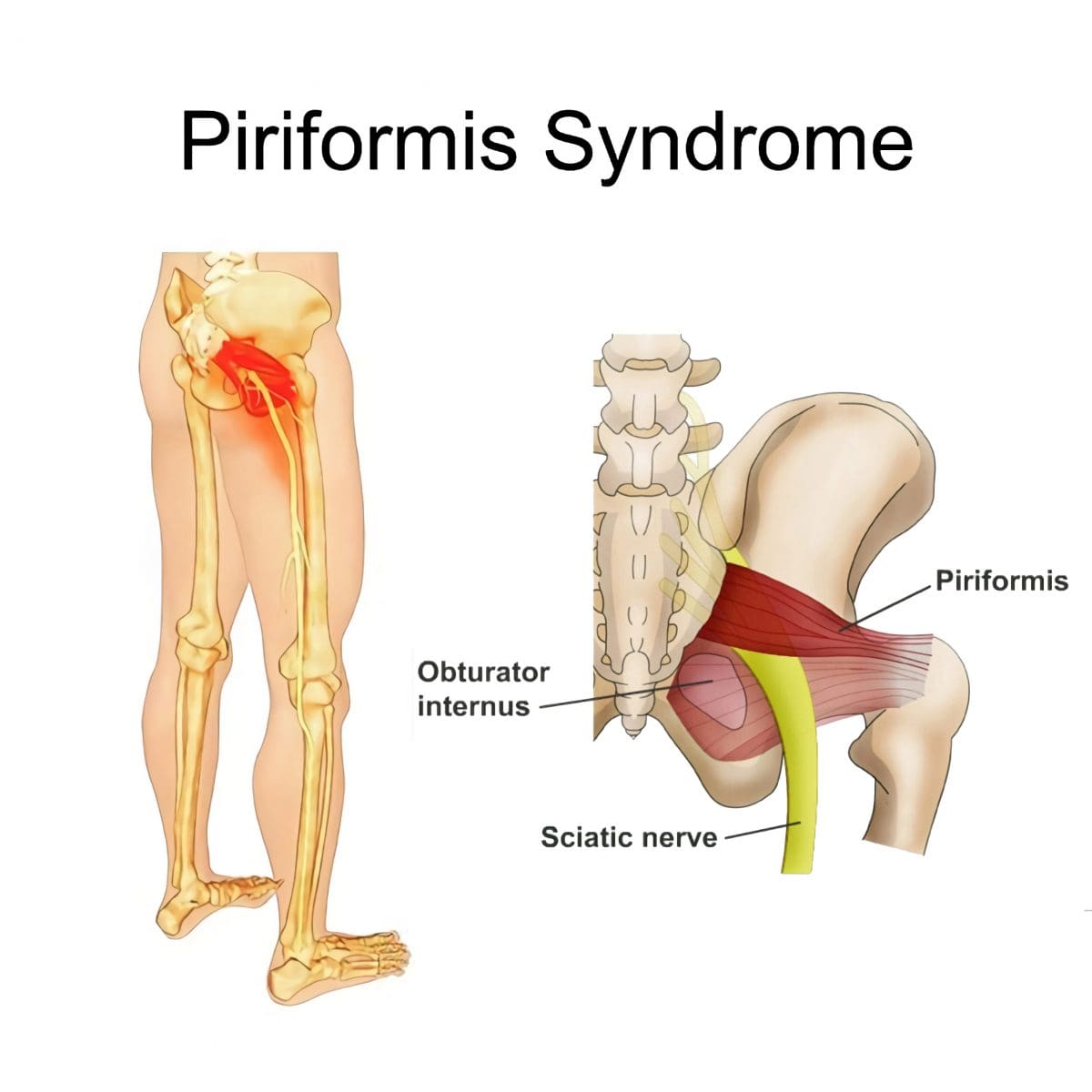
Sciatica Causes: The sciatic nerve forms by the union of Lumbar4 to Sacral31 nerve roots and exits the pelvis through the greater sciatic foramen, below the piriformis muscle located deep in the buttocks. The nerve runs down the back of the thigh, into the leg, and ends in the foot. The sciatic nerve becomes inflamed, irritated, and/or mechanically compressed. Any type of pain and/or neurological symptom/s from the sciatic nerve is referred to as sciatica. Sciatica is a type of lumbar radiculopathy, which means that the pain originates from the low back and/or sacral nerve roots.

Sciatica Causes: Genetics, Low Back Problems, Piriformis, Arthritis

Sciatica Causes

Physical forces on the nerve can cause mechanical compression due to the following conditions:

Herniated Discs

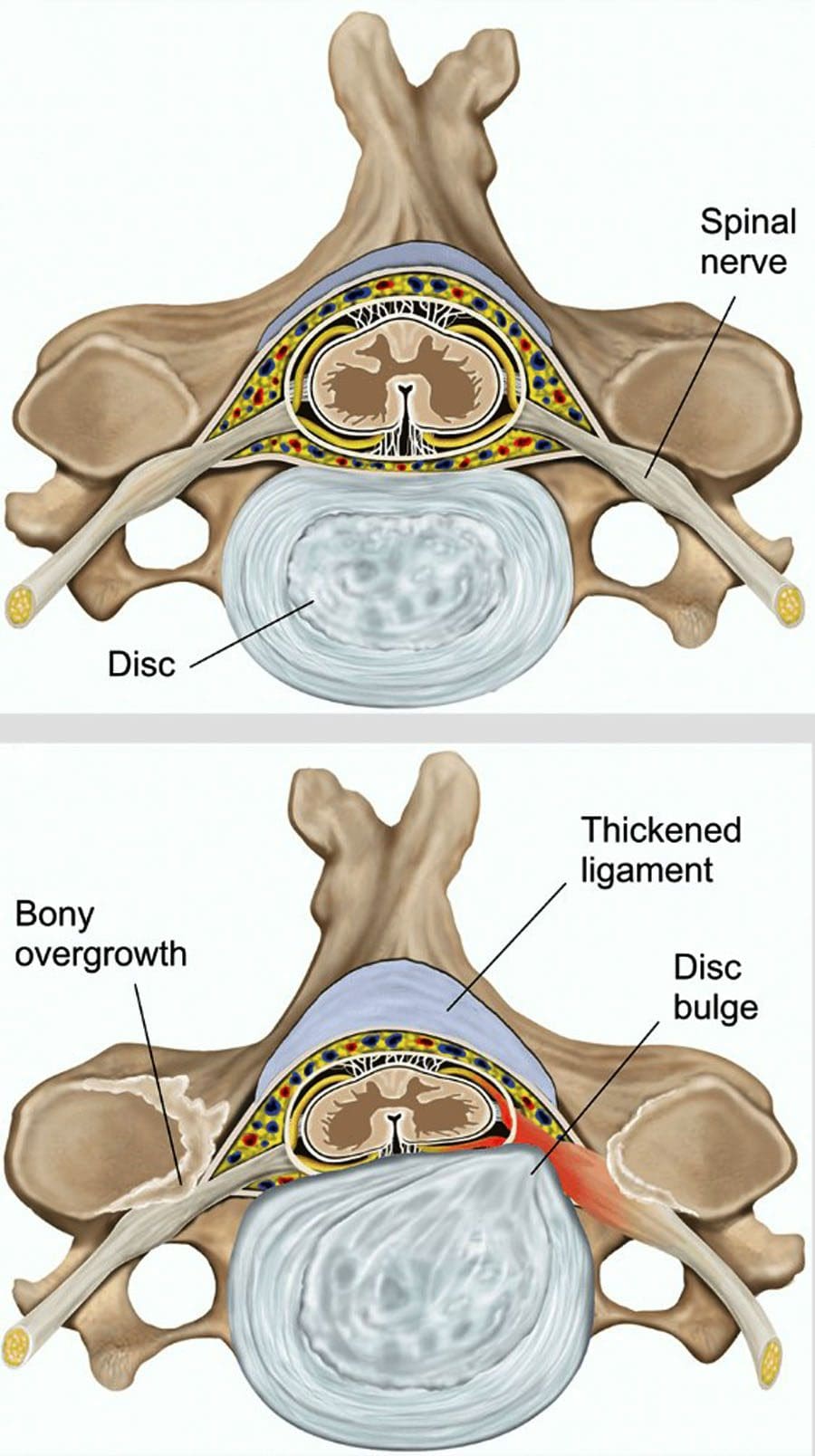
  • A disc in the lower back can bulge or herniate, causing irritation and/or compression of a sciatic nerve root.

Foraminal Stenosis

  • Stenosis, the intervertebral opening through which the nerve roots travel, begins to narrow/close in, can compress or irritate the sciatic nerve.

Degeneration

  • Degenerative changes in the spine like the thickening of facet joint capsules and/or ligaments can compress the sciatic nerve.

Segmental Instability

  • Instability of a spinal vertebral segment that happens if one vertebra slips over the one beneath it – spondylolisthesis
  • Vertebral defects – spondylolysis
  • Complete dislocation of one or more vertebrae can compress the nerve root/s of the nerve.

Other Sciatica Causes

  • Tumors, cysts, infections, or abscesses in the lower spine or pelvic region can also cause sciatic nerve compression.

Chemical Inflammation

  • Chemical irritants can include hyaluronic acid and/or fibronectin/protein fragments that leak out of degenerated or herniated discs. These irritants can cause inflammation and/or irritation of the sciatic nerve.
  • Degenerated discs can cause nerve tissues to grow into the disc, penetrating the outer and inner layers of the disc, causing sciatica. Immune system responses can contribute to pain when exposed to disc fluid.
  • Substances such as glycosphingolipids/fats and neurofilaments /protein polymers secreted by the immune system are increased in individuals with sciatica. These substances are released from the reaction between nerve roots and exposed disc material, causing inflammation.

Job Occupation

Individuals with specific jobs have an increased risk of developing sciatica. Examples include:

  • Truck drivers
  • Desk workers
  • Teachers
  • Warehouse workers
  • Machine workers
  • Plumbers
  • Electricians
  • Carpenters
  • Fitness trainers

Sitting and standing for long periods, using improper posture, constantly bending, twisting, reaching, and regularly lifting are risk factors for sciatica.

Piriformis Syndrome

Piriformis syndrome is a condition where the piriformis muscle swells and spasms from overuse or inflammation irritating the sciatic nerve that is right underneath. The nerve can get trapped in the muscle causing sciatica-like symptoms that include:

  • Pain follows the same pattern in the leg as a compressed sciatic nerve root.
  • Tingling
  • Numbness

Discomfort from piriformis syndrome feels similar to sciatica, but it is not caused by compressed sciatic nerve root. Piriformis pain comes from compression of the sciatic nerve near the piriformis muscle.

Genetic Sciatica Causes

Sciatica caused by degenerated and/or herniated discs can be genetic. Research has shown that certain genetic factors are more prevalent in individuals with back and spinal problems. These congenital disabilities can cause the discs to become weak and susceptible to external stress. With time the proteins in the disc break down, compromising the integrity and function.

Arthritis and Joint Issues

Arthritis or other inflammatory conditions around the hip joint can cause pain down the leg, similar to sciatica. This is referred pain that spreads out from the source and is not radicular nerve pain that originates in the nerve roots.

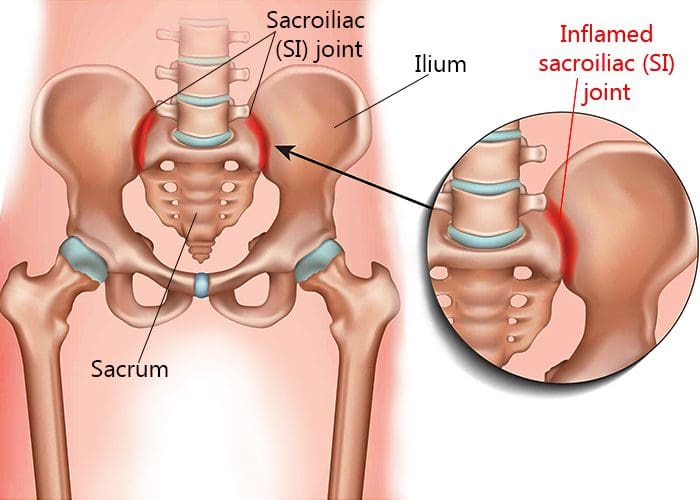
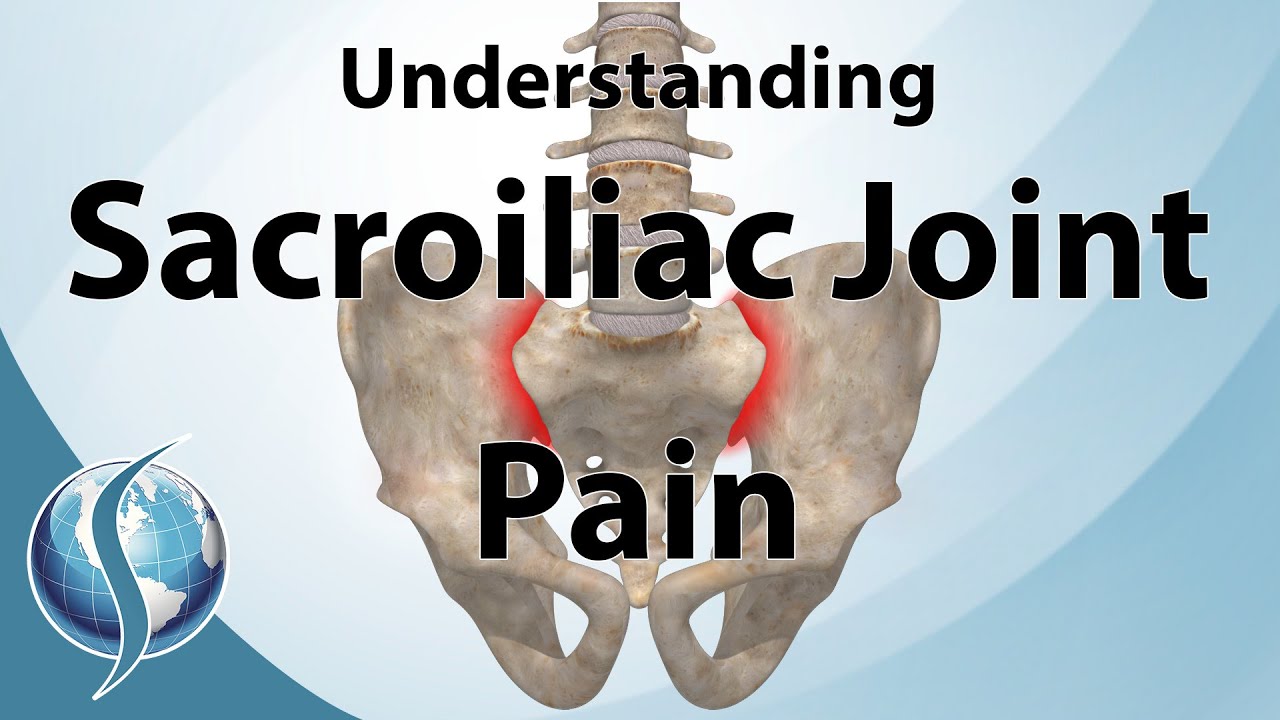
  • Conditions like sacroiliac joint dysfunction or sacroiliitis can cause sciatica-like pain that runs down the back of the thigh but usually ends before or at the knee.
  • The pain can be acute and debilitating, like sciatica but is caused by an abnormal motion or malalignment of the sacroiliac joint.

Body Composition


Normal Cholesterol Ranges

High cholesterol can lead to severe consequences when left untreated, but it can be difficult to spot with no noticeable warning signs. This is why it’s essential to monitor cholesterol levels with blood tests, especially if there is an increased risk. Example of normal cholesterol levels for adults 20 years of age or older:

  • Total cholesterol 125-200 mg/dL
  • LDL <100 mg/dL
  • HDL >40 mg/dL men, >50 mg/dL women

Lifestyle

  • Lack of physical activity contributes to high cholesterol levels.
  • Diets that mainly consist of processed foods and saturated fats increase the risk of high LDL levels.
  • Smoking can lower HDL levels.

Aging

  • Individual risk for developing high cholesterol tends to increase as the body advances in age. This is why it is recommended to have regular physicals and blood tests.

Genetics

  • Some individuals are more genetically predisposed to developing high cholesterol and heart disease.
  • Knowing family medical history can help predict whether it may become a problem.
References

Davis D, Maini K, Vasudevan A. Sciatica. [Updated 2021 Sep 2]. In: StatPearls [Internet]. Treasure Island (FL): StatPearls Publishing; 2021 Jan-. Available from: https://www.ncbi.nlm.nih.gov/books/NBK507908/

Giuffre BA, Jeanmonod R. Anatomy, Sciatic Nerve. [Updated 2021 Jul 29]. In: StatPearls [Internet]. Treasure Island (FL): StatPearls Publishing; 2021 Jan-. Available from: https://www.ncbi.nlm.nih.gov/books/NBK482431/

Hicks BL, Lam JC, Varacallo M. Piriformis Syndrome. [Updated 2021 Jul 18]. In: StatPearls [Internet]. Treasure Island (FL): StatPearls Publishing; 2021 Jan-. Available from: https://www.ncbi.nlm.nih.gov/books/NBK448172/

Raj MA, Ampat G, Varacallo M. Sacroiliac Joint Pain. [Updated 2021 Aug 30]. In: StatPearls [Internet]. Treasure Island (FL): StatPearls Publishing; 2021 Jan-. Available from: https://www.ncbi.nlm.nih.gov/books/NBK470299/

Pregnancy Chiropractor

Shot of beautiful young physiotherapist woman massaging tummy on pretty pregnant woman on a stretcher at home.

With a growing belly and changes in connective tissue, many pregnant women are unable to stay comfortable. A pregnancy chiropractor is safe and effective in helping manage pain in the back, hips, legs, joints and establish pelvic balance. This can provide the baby with space to grow and move throughout the pregnancy and lead to faster, easier labor and delivery. Relief and better symptom management are possible with a pregnancy chiropractor.

Pregnancy Chiropractor

Chiropractic Is Safe During Pregnancy

Before engaging in any treatment during pregnancy, consult a doctor. For the most part, non-invasive chiropractic is considered safe for healthy, low-risk pregnancies and even higher-risk pregnancies once cleared by a doctor. Because pregnant women cannot take medications or undergo other invasive treatment options for pain, chiropractic treatment is recommended for sore, tight muscles, irritability, and pain management.

How A Pregnancy Chiropractor Can Help

What a chiropractor can offer includes:

  • Restore pelvic balance.
  • Improve mechanics for standing, sitting, and walking that could otherwise cause pain.
  • Pain management through therapeutic massage and adjustments.
  • Spinal alignment is restored.
  • Improved blood perfusion.
  • Energy levels improve.
  • Reduce symptoms of nausea.
  • Better positioning and movement for the baby.
  • Optimize the pelvic position to allow for an easier birth; evidence indicates a shorter labor time thanks to an optimal pelvic position.

Clinic Appointment

The pregnancy chiropractor begins with an initial consultation. Here the patient asks questions, discusses any concerns, along with a full assessment of medical history. They will suggest various treatment options to restore the body to its optimal balance. The chiropractor will continually monitor the patient to tailor the treatments to their specific needs and achieve the most relief.


Body Composition


Impact of Breastfeeding and Body Composition

It turns out that breastfeeding and weight loss are showing that there could be a relationship. A study suggested that breastfeeding could eliminate weight gain during six months. These findings are corroborated by another study comparing body fat loss between exclusively breastfeeding and mixed feeding mothers. The researchers found that exclusively breastfeeding promotes more significant body fat loss than mixed feeding among mothers during the first 12 weeks after childbirth. A weight loss of approximately about a pound per week between 4 and 14 weeks after delivery in overweight, lactating women who were exclusively breastfeeding showed no adverse effect on the growth and development of their newborns.

References

Bernard, Maria, and Peter Tuchin. “Chiropractic Management of Pregnancy-Related Lumbopelvic Pain: A Case Study.” Journal of chiropractic medicine vol. 15,2 (2016): 129-33. doi:10.1016/j.jcm.2016.04.003

Borggren, Cara L. “Pregnancy and chiropractic: a narrative review of the literature.” Journal of chiropractic medicine vol. 6,2 (2007): 70-4. doi:10.1016/j.jcme.2007.04.004

Weis, Carol Ann et al. “Chiropractic Care for Adults With Pregnancy-Related Low Back, Pelvic Girdle Pain, or Combination Pain: A Systematic Review.” Journal of manipulative and physiological therapeutics vol. 43,7 (2020): 714-731. doi:10.1016/j.jmpt.2020.05.005

Holiday Chiropractic Stress Relief

Professional senior physiotherapist doing manual treatment to a young woman with spine problems in the cabinet of rehabilitation clinic

Getting ready for holiday celebrations takes a great deal of work. Visiting family and friends, traveling, spending hours shopping, wrapping gifts, setting up lights, trees, planning meals can make the body feel achy, tight, tired, and sore. Stress is multiplied by ten, adding to the muscle tension, which can cause illness and other health problems. Chiropractic treatment alleviates symptoms bringing stress relief to enjoy the holidays. This includes body adjustments, therapeutic massage, health coaching, nutrition guidance, strengthening exercises, stretch training, and everything to maintain full-body health, prevent illness and injury so individuals can feel and function at their best.

Holiday Chiropractic Stress Relief

Aches and Pains

Shopping at stores, malls can cause the body to experience adverse physical effects. Spending hours walking and standing can trigger neck, shoulder, back, leg, and foot pain. Spending hours hunched over a computer, laptop, tablet, or phone while online shopping can also cause neck, back, and shoulder pain. Soreness and pain can result from the spine and the rest of the body becoming misaligned.

Muscle tightening is a common sign of stress. When the mind and body become overwhelmed or anxious, the neck, shoulders, or upper back muscles can tense up. Muscle tension can limit the body’s range of motion and trigger headaches. Therapeutic massage, mobilization, soft tissue therapy, ultrasound, and other chiropractic treatments can generate stress relief. Massaging the body also triggers the release of endorphins that help the body calm down and relax. The adjustments and massage also increase/improve blood flow that supports healing and reduces anxiety when stress begins to build.

Stomach Issues

Following the usual diet during the holiday season is a challenge. Work parties, restaurant parties, and family meals offer an array of holiday foods and treats. The body is not used to eating a lot of rich, fatty, sugary, or fried foods, and can experience bloating, constipation, gas, and other uncomfortable symptoms. These issues can be traced to the nerves that control the organs. Chiropractic can balance the nerves to help avoid uncomfortable digestive problems and help the body handle the rich diet better.

Maintaining Health and Stress Relief

Aches and pains are not the only effects of stress, body misalignment, and tight joints and/or muscles. If these structures press against the nerves and/or organs, it can affect immune system function. Chiropractic ensures that the organs communicate correctly through the nerves, balance the body,  reduce inflammation, and improve lymph fluid drainage. The fluid removes toxins and wastes from the body, making fighting colds and other illnesses easier.


Body Composition


White Coat Syndrome

White Coat Syndrome is the term used for any changes in blood pressure that individuals experience in response to being in a medical office or clinic. Three distinct diagnoses are based on how an individual’s blood pressure responds to being in the presence of a healthcare professional:

White Coat hypertension

  • This is when an individual is not taking medication for blood pressure but presents with high blood pressure in a medical office and returns to normal once they leave the medical facility.

White Coat effect

  • This is when an individual is taking medication for high blood pressure and shows a high blood pressure reading in a medical office that indicates their medication is not working.

Masked Hypertension

  • This is when an individual has normal blood pressure in a medical office but high blood pressure elsewhere.
References

Ahmad, Asma Hayati, and Rahimah Zakaria. “Pain in Times of Stress.” The Malaysian journal of medical sciences: MJMS vol. 22,Spec Issue (2015): 52-61.

PBS NewsHour. (December 2018) “Poll: How stressed are Americans this holiday season?” https://www.pbs.org/newshour/nation/poll-how-stressed-are-americans-this-holiday-season

Pioli, Mariana R et al. “White coat syndrome and its variations: differences and clinical impact.” Integrated blood pressure control vol. 11 73-79. 8 Nov. 2018, doi:10.2147/IBPC.S152761

The United States Consumer Product Safety Commission (CPSC). (2019) “Holiday Safety Information Center” https://www.cpsc.gov/Safety-Education/Safety-Education-Centers/holiday-safety

Syringomyelia Spinal Cord Disorder

Syringomyelia is a disorder in which a fluid-filled cyst/syrinx forms within the spinal cord. It is progressive, meaning that the cyst grows with time causing compression and damage to the spinal cord. The cyst usually begins in the neck/cervical spine but can develop in any area along the spinal cord. There are several possible causes; however, most are associated with a condition known as Chiari malformation. This is where the skull and neck come together, and either the skull is too small or shaped in a way that causes brain tissue to come out and settle in the spinal canal.

Syringomyelia Spinal Cord Disorder

Syringomyelia Causes

Syringomyelia can be caused by or from complications of:

  • Congenital disabilities like Chiari malformation
  • Chiari type I malformation develops during the fetal developmental stage and causes the lower part of the brain or cerebellum to stick out from its standard location.
  • Hemorrhage/bleeding
  • Inflammation of the spinal cord from virus or bacterial infection like meningitis
  • Spinal cord injury
  • Spinal cord tumor

Symptoms

A damaged spinal cord disrupts communication between the brain and the body. Symptoms differ for every individual, but common syringomyelia symptoms include:

Symptoms usually develop slowly, but exercise, coughing, or some form of strain can cause sudden onset.

Diagnosis

Physical and neurological exams are performed to determine loss of feeling or inability to move around normally, like walking. Diagnostic tests of the spine will include a CT scan with contrast dye and/or an MRI. Early detection can help before it progresses, causing further damage, and delaying treatment can cause irreversible spinal cord injury. It is recommended at the first sign of symptoms to contact a doctor.

Treatment

Some individuals who have syringomyelia may have no symptoms. These individuals can go about their everyday lives but are recommended to be cautious with neck and back strain. For individuals experiencing symptoms, the primary treatment objectives are to:

  • Stop or control damage to the spinal cord
  • Preserve function
  • Prevent disability
  • Treatment options include:
  • Draining the cyst
  • Surgical removal of the cyst
  • Chiropractic and physical therapy could be included in the treatment plan to help the individual rebuild lost muscle strength and regain flexibility.

All too often, individuals with this disorder experience treatment delay/s because symptoms can be nonspecific or vague. Education is the key, and individuals can be diagnosed sooner by paying attention to the body’s warning signs.


Body Composition


Does too much protein hurt the kidneys?

While protein restriction can be appropriate for treating existing kidney disease, research shows that high protein intake in healthy individuals does not disrupt or cause damage to the kidneys or kidney function. The amino acids in protein are more likely to be excreted through urine when not being used. However, there are certain risks associated with consuming too much protein, and it is recommended to keep track of protein intake. Eating more protein:

  • Makes the body feel full longer
  • Can help curb overeating
  • Is essential for recovery and growth

When achieving daily caloric goals, maintaining a balance of nutrients like carbohydrates and healthy fats is essential for overall health.

References

Batzdorf, Ulrich. “Primary spinal syringomyelia. Invited submission from the joint section meeting on disorders of the spine and peripheral nerves, March 2005.” Journal of neurosurgery. Spine vol. 3,6 (2005): 429-35. doi:10.3171/spi.2005.3.6.0429

Di Lorenzo, N, and F Cacciola. “Adult syringomyelia. Classification, pathogenesis and therapeutic approaches.” Journal of neurosurgical sciences vol. 49,3 (2005): 65-72.

Fernández, Alfredo Avellaneda et al. “Malformations of the craniocervical junction (Chiari type I and syringomyelia: classification, diagnosis, and treatment).” BMC musculoskeletal disorders vol. 10 Suppl 1, Suppl 1 S1. 17 Dec. 2009, doi:10.1186/1471-2474-10-S1-S1

Naftel, Robert P et al. “Worsening or development of syringomyelia following Chiari I decompression: case report.” Journal of neurosurgery. Pediatrics vol. 12,4 (2013): 351-6. doi:10.3171/2013.7.PEDS12522

Roy, Anil K et al. “Idiopathic syringomyelia: retrospective case series, comprehensive review, and update on management.” Neurosurgical focus vol. 31,6 (2011): E15. doi:10.3171/2011.9.FOCUS11198

Inadequate Sleep

Male business executive sleeping in office

Individuals talk about how they don’t sleep much because they have so much to do and can operate/function on only 5 or 6 hours of sleep and are surprised when they develop serious health problems and mental health issues. However, inadequate sleep is a big deal. Depriving the body and mind of proper sleep leads to all kinds of health problems that include:

  • Daytime fatigue
  • Irritability
  • Difficulty concentrating and thinking clearly
  • Memory issues
  • Delayed reaction time and response
  • Weakened immune system
  • Decreased libido

Inadequate Sleep

Over time the adverse effects become worse, increasing the risk for severe medical conditions that include:

Chiropractic

Chiropractors focus on whole-body health, are specialists in the musculoskeletal system, and take a multifaceted approach to treat fatigue and inadequate sleep. They can help with sleep problems and other health factors by bringing the body back into alignment/balance, improving circulation, nerve energy flow, and nervous system function. This includes chiropractic adjustments and therapeutic massage.

Spinal Adjustments

  • Misalignment of the cervical spine could be contributing to issues breathing and getting into a deep sleep.
  • Spinal realignment can help with better sleep.

Posture Analysis and Sleep Positions

  • Posture is a significant part of optimal health, especially when breathing correctly.
  • A chiropractor can analyze and correct any posture misalignments.
  • They can also advise how best to sleep, so the airway does not become obstructed during the night.

Health Factors

  • A recommendation for fatigue and inadequate sleep is to lose weight if overweight or obese.
  • A trained nutritionist or health coach can help develop healthy eating and lifestyle habits.

Less Stress and Plenty of Sleep

The combination of spinal adjustments and therapeutic massage can generate significant benefits to help keep the body healthy. Chiropractic adjustments have been found to release stress-reducing hormones like oxytocin and neurotensin. And therapeutic massage has been shown to improve inadequate sleep patterns, as well as:

  • Relax the body
  • Reduce Stress
  • Reduce muscle tension that causes restlessness
  • Relieve pain and discomfort
  • Release positive hormones
  • Increase mobility

Body Composition


Lack of Sleep Makes It Harder To Lose fat

  • Irregular sleep throws off the ghrelin and leptin cycles, making the body hungrier.
  • Sleeping less has been linked to eating more, increasing energy intake.
  • Sleeping less can cause reductions in Basal Metabolic Rate by as much as 20%, reducing total energy output.
  • Being tired also reduces spontaneous movements, reducing total energy output.
References

Jamison, Jennifer R. “Insomnia: does chiropractic help?.” Journal of manipulative and physiological therapeutics vol. 28,3 (2005): 179-86. doi:10.1016/j.jmpt.2005.02.013

Jehan, Shazia et al. “Obstructive Sleep Apnea and Obesity: Implications for Public Health.” Sleep medicine and disorders: international journal vol. 1,4 (2017): 00019.

Kashani, Fahimeh, and Parisa Kashani. “The effect of massage therapy on the quality of sleep in breast cancer patients.” Iranian journal of nursing and midwifery research vol. 19,2 (2014): 113-8.

Kingston, Jana et al. “A review of the literature on chiropractic and insomnia.” Journal of chiropractic medicine vol. 9,3 (2010): 121-6. doi:10.1016/j.jcm.2010.03.003

Fever and Back Pain

Feeling bad. Blond woman suffering from a lower back pain

It is one thing to wake up with back pain, but another when the pain is combined with a fever, body aches, and chills. It could be the flu or another infection. However, after checking the body’s temperature and fever is present with no other symptoms than back pain unless it is the flu; the fever could be another issue that may or may not be related as there are a variety of causes for back pain like:

  • Inflamed muscles
  • Muscle or ligament strain – If in poor physical condition, repeated and constant tension on the back can cause muscle spasms. Repeated heavy lifting or a sudden awkward movement can strain the back muscles and spinal ligaments.
  • Bulging or ruptured discs – Discs act as cushions between the bones/vertebrae in the spine. The soft material inside a disc can bulge or rupture and press on a nerve. However, a bulging or ruptured disc can present without back pain. Disc disease is often found by accident when spine X-rays are performed for another reason.
  • Arthritis – Osteoarthritis can affect the lower back. In some cases, arthritis in the spine can narrow the space around the spinal cord, a condition called spinal stenosis.
  • Osteoporosis – The spine’s vertebrae can develop painful fractures if the bones become porous and brittle.

Back pain without a fever is usually an indication of a misaligned spine.

Fever and Back Pain

Fever A Sign of Something Else

A fever is the body’s way of trying to raise its core temperature in an attempt to kill off a virus or a bacterial infection. Possible causes of back pain with fever include:

Kidney Infection

  • This type of infection often presents with low back pain and fever.

Spinal Epidural Abscess

  • This is an infection of the lower region of the spine, causing fever and lower back pain.

Vertebral Osteomyelitis

  • This is an infection of the lower spine that causes pain in the arms, lower back, and legs, along with a fever.

Meningitis

  • This causes swelling and inflammation of the brain and spine and needs to be addressed immediately.

Spinal Cord Abscess

  • This is an infection of the internal part of the spine. It is rare but can happen, causing low back pain and fever.

Symptoms

This is when seeing a chiropractor can help. A few signs that should not be ignored include:

  • Recently involved in an automobile accident.
  • Suffered a serious fall.
  • Feeling a tingling in the legs.
  • Having balance issues.
  • Having abdominal pain.
  • Pain is not going away, or it goes away for a while, then comes back.
  • Have weakness in the arms or legs.
  • Having bowel or urinary problems that were not present previously.
  • The pain is worse when sitting or standing up after sitting.
  • Have upper back pain after alcohol consumption.

A chiropractor will take a complete medical history, X-rays, an MRI if necessary, and a thorough physical examination will be performed to determine the cause. After a diagnosis is reached, the chiropractor will perform adjustments to relieve the pain and open the nerve pathways to increase circulation to the area. A chiropractic massage will help reduce stress, relieve back pain, and reduce depression, which can also help reduce the fever unless it is from another issue.


Body Composition


Influenza

Influenza or the flu is a contagious respiratory illness caused by viruses that infect the nose, throat, and lungs. It can cause mild to severe illness and, in extreme cases, can lead to death. Like a common cold, the flu is spread primarily through tiny droplets that get expelled from an infected person when they sneeze, cough, or talk. Approximately 8% of the population gets the flu each season. Flu symptoms are sudden, causing the following:

  • Fever
  • Chills
  • Muscle or body aches
  • Headaches
  • Sore throat
  • Runny or stuffy nose
  • Cough
  • Fatigue
  • Vomiting and diarrhea which is more common in children.

Most individuals with healthy immune systems will recover around seven days. However, the elderly, pregnant women, individuals of any age with certain chronic medical conditions like asthma, diabetes, or heart disease, and children under the age of five have an increased risk of developing complications. Flu vaccination is currently recommended for anyone older than six months in the U.S. and effectively prevents infection in 50 – 80% of the population. The primary treatment method for the flu is to support the immune system with plenty of rest, proper nutrition, and hydration.

References

Ameer MA, Knorr TL, Mesfin FB. Spinal Epidural Abscess. [Updated 2021 Feb 11]. In: StatPearls [Internet]. Treasure Island (FL): StatPearls Publishing; 2021 Jan-. Available from: https://www.ncbi.nlm.nih.gov/books/NBK441890/

Kehrer, Michala et al. “Increased short- and long-term mortality among patients with infectious spondylodiscitis compared with a reference population.” The spine journal: official journal of the North American Spine Society vol. 15,6 (2015): 1233-40. doi:10.1016/j.spinee.2015.02.021

Rubin, Devon I. “Epidemiology and risk factors for spine pain.” Neurologic clinics vol. 25,2 (2007): 353-71. doi:10.1016/j.ncl.2007.01.004

Tsantes, Andreas G et al. “Spinal Infections: An Update.” Microorganisms vol. 8,4 476. 27 Mar. 2020, doi:10.3390/microorganisms8040476

How Chiropractic Affects Inflammation

Girl is sitting. Physiotherapist works with young woman indoors in the spa.

Inflammation is the body’s response to infection, injury, or irritation. It causes swelling, redness, pain and sometimes causes the affected area to be unable to function. Acute inflammation happens after spraining the ankle or getting a mosquito bite and is the body’s method of preserving itself. This type of inflammation helps remove harmful irritants and pathogens, so healing ensues, along with healthy beneficial swelling that disappears with time. Chronic inflammation is when the body generates a stronger-than-necessary inflammatory response from an imbalanced immune system or a condition that causes the immune system to attack healthy tissue. Certain foods, lack of sleep, and constant stress increase the risk of developing chronic inflammation. Chiropractors are known for their expertise in stretching the muscles, ligaments, tendons, and adjusting/realigning joints and bones. Chiropractic treatment can also affect inflammation positively.

How Chiropractic Affects Inflammation

Inflammation Affects Health

When inflammation presents, there is significant potential that disease is also present in the body. Inflammation is a natural response to restore the body to homeostasis or balance. White blood cells and other immune cells are sent to the area to ward off invading bacteria, viruses, debris, etc., and reduce or defeat the infection. For some individuals, inflammation occurs within their body regularly and reappears repeatedly. This can be caused by injuries that never completely healed, frequent strains, and injuries from a weakened musculoskeletal system. Inflammation can also come from infection, irritation, the production of diseased cells, or allergies. Organs and tissues can be inflamed for a long time and can cause damage to the cells that comprise those regions of the body. This can lead to:

  • Thinning and weakening of organ walls and tissues.
  • Decreased organ function.
  • The overall deterioration of the body’s systems and wellness.

Causes

Some common diseases and conditions that create chronic inflammation are:

  • Asthma
  • Chronic peptic ulcers
  • Tuberculosis
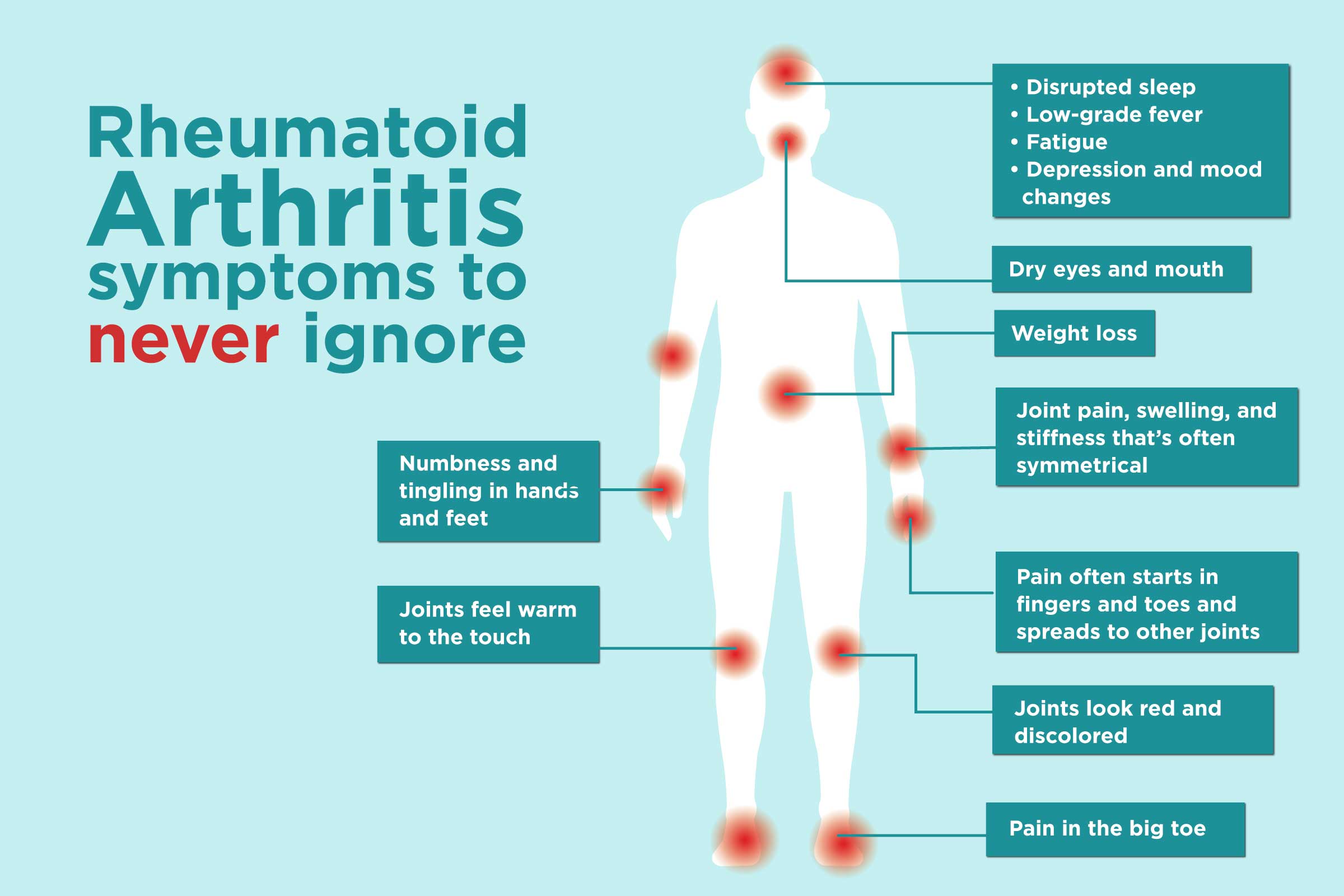
  • Rheumatoid arthritis
  • Periodontitis
  • Ulcerative colitis
  • Crohn’s disease
  • Sinusitis
  • Active hepatitis

Risk Factors

Certain risk factors that can increase the likelihood of inflammation are:

  • Advanced age
  • Obesity
  • Regular consumption of processed fats and sugar
  • Smoking
  • Stress
  • Poor sleep
  • Chronic inflammation can increase the risk of:
  • Various diseases and cancer
  • Rheumatoid arthritis
  • Periodontitis
  • Hay fever

Stress

Stress is one of the leading causes of illness and disease in the body and contributes significantly to inflammation. Organs and tissues can also become inflamed under pressure. When stress kicks in, chemical reactions occur, causing the release of the hormone cortisol. Cortisol is initially an anti-inflammatory hormone, but a prolonged release can eventually create a dysfunctional cycle of widespread inflammation. Chronic stress can cause inflammation throughout the body. Usually, the body’s weakest or most strained region will suffer the most effects of overall inflammation. Even after the stress reduces or is resolved, the inflammation effects can continue to linger. Inflammation can:

  • Decrease organ function
  • Strain tissues
  • Strain ligaments
  • Force bones and joints out of alignment and subluxation.
  • Cause decreased efficiency and performance of the body’s systems and organs.

Chiropractic Affects On Inflammation

When the body is out of alignment, it can compress tissues, muscles, and ligaments. Chiropractic works primarily on the skeletal structure and the nervous system. The nervous system plays an essential role in regulating immune response, which creates or decreases inflammation in the body. When the bones and joints are out of alignment, they cause strain on the nervous system and the immune system, often triggering an immune response. Chiropractic adjustments of the bones and joints reset and rejuvenate nervous system function. Realignment of the spine, including neck, shoulders, arms, pelvis, hips, knees, and feet, enhances nerve circulation and alleviates abnormal immune system function. To begin relieving inflammation from injury, misalignment, stress, and strain on the body, consult and see how chiropractic affects inflammation.


Body Composition


Dietary Fats

There are four main types of dietary fats listed on food labels:

These are not to be confused with adipose tissue/stored fat in the body. These four fats have different physiological effects once they are digested. Some are beneficial, and some can negatively impact health and are recommended to be taken in moderation.

Saturated vs. Unsaturated fats

Fats are made up of chains of carbon atoms with a carboxyl group COOH at one end and methyl groups CH3 at the other end. Carbons are attached to each other and to hydrogen atoms. The way the carbons are chained differentiates saturated and unsaturated fats and impacts how the body processes them. Unsaturated fats have one or more double bonds between the carbon atoms, and foods rich in unsaturated fats are usually liquid at room temperature, like olive oil. Saturated fats contain no double bonds and are generally solid at room temperatures, like butter and cheese.

References

Arulselvan, Palanisamy et al. “Role of Antioxidants and Natural Products in Inflammation.” Oxidative medicine and cellular longevity vol. 2016 (2016): 5276130. doi:10.1155/2016/5276130

Hannibal, Kara E, and Mark D Bishop. “Chronic stress, cortisol dysfunction, and pain: a psychoneuroendocrine rationale for stress management in pain rehabilitation.” Physical therapy vol. 94,12 (2014): 1816-25. doi:10.2522/ptj.20130597

Pahwa R, Goyal A, Bansal P, et al. Chronic Inflammation. [Updated 2021 Sep 28]. In: StatPearls [Internet]. Treasure Island (FL): StatPearls Publishing; 2021 Jan-. Available from: https://www.ncbi.nlm.nih.gov/books/NBK493173/

Getting Fit and Staying Active

Happy diverse people exercise together in gym to stay healthy. People sport training concept

Many individuals are trying to get fit and stay active through physical activity and exercise. Getting back to a previous fitness routine is an achievable and realistic goal. Fitness means having the energy and strength to perform physical activity and the body feeling as good as possible. Getting fit improves total health. But it does not require training like an athlete. Just walking for a half-hour every day can help individuals reach an adequate fitness level that helps them feel better and increase energy levels.

Getting Fit and Staying Active

Benefits of Getting Fit

Getting the body fit and in shape:

  • Increases endurance
  • Increases muscle strength
  • Delivers oxygen and nutrients to tissues
  • Improves cardiovascular health
  • Helps release toxins
  • Improves overall energy levels
  • Improves sleep
  • Handle stress better

Being fit allows the body to work harder without as much work, the mind is better focused, the body burns more calories, even when at rest, and proper weight is maintained. Fitness reduces the risk of falls, heart attack, diabetes, high blood pressure, and certain cancers.

How Much Physical Activity Is Needed?

Experts say the goal should be one, or a combination, of these:

  • Moderate aerobic activity, like brisk walking, for at least 2½ hours a week.
  • It is up to the individual how many days to exercise, but it is best to be active at least three days a week.
  • Activity is recommended at least 10 minutes at a time. For example, an individual could:
  • Take a 10-minute walk three times a day, five days a week.
  • Take a half-hour walk three days a week.
  • On the other four days, take a 15-minute walk.
  • Take a 45-minute walk every other day.

Vigorous exercise is recommended at least three days a week for at least 10 minutes at a time. This activity makes the body breathe harder and increases heart rate. More vigorous activities, like running, could be included for at least one hour a week. This can be spread out 75 minutes, whichever way is more convenient for the individual. For example, an individual could:

  • Run for 25 minutes 3 times a week.
  • Run for 15 minutes 5 times a week.

Children as young as preschool age need activity as well. Encourage children ages 6 to 17 to engage in moderate to vigorous exercise for at least 1 hour every day.

Types of Physical Activity

Aerobic fitness

  • This makes the body breathe faster and makes the heart work harder.
  • Activities include walking, running, cycling, and swimming.
  • It is also known as cardio or cardiovascular training.

Muscle fitness

  • Muscle strength means building stronger muscles and increasing the length of time they can be used.
  • Activities like weight lifting, push-ups, squats, and resistance bands can improve muscular fitness.

Flexibility

  • Flexibility is the ability to move the joints and muscles through their full range of motion.
  • Stretching exercises can help generate flexibility.

Being More Physically Active

Moderate physical activity is safe for most individuals, but it’s recommended to talk to a doctor before engaging in physical activity/exercise. To help get started:

Make physical activity part of everyday

  • Make a regular habit of using stairs, not elevators, and walking, bicycling to do errands near home.

Start walking

  • Walking is a great fitness activity that most individuals can do.
  • Make it a habit to take a daily walk with family, friends, coworkers, or pets.

Find a workout partner

  • Working out with a partner can make exercising more enjoyable.

Find fun activities that you can stick with

  • Vary activities, so they don’t become boring and monotonous.
  • Use a calorie-burning application to determine how many calories are burned during exercise and daily activities.

Body Composition


Damaged Collagen

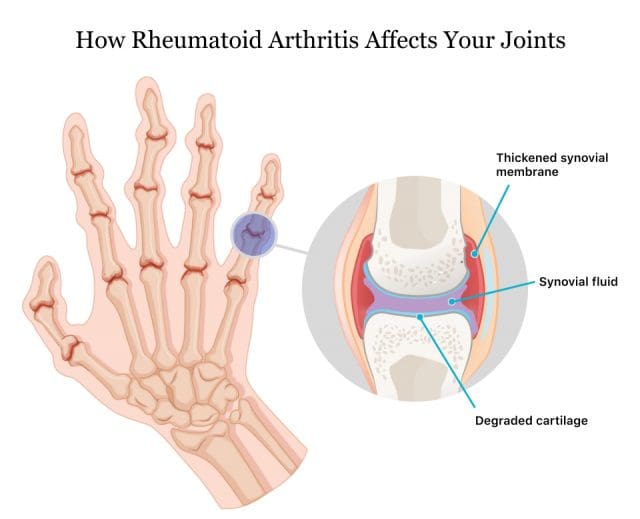
There are several reasons the body’s collagen production can slow down or become less efficient. The quality of the collagen made can decrease as well. Environmental factors can be avoided to protect collagen production; however, damage from disease and natural processes is inevitable. Aging is the most common cause of decreased natural collagen. As the body ages, collagen production and quality decrease. This leads to thinner, more fragile skin and achy joints. Certain chronic diseases like lupus and rheumatoid arthritis cause collagen deficiency, leading to issues that include:

  • Joints
  • Blood vessels
  • Organs
  • Skin

To avoid collagen damage, avoid environmental factors like:

  • Smoking
  • UV exposure can accelerate the average rate of collagen damage that comes with aging.
  • UV exposure damage can also play a role in certain skin cancers.
  • Excessive sugar and fat intake increases inflammation and decreases protein synthesis.
References

American College of Sports Medicine, et al. (2009). Position stand: Exercise and physical activity for older adults. Medicine and Science in Sports and Exercise, 41(7): 1510–1530.

Anspaugh DJ, et al. (2011). Building muscular strength and endurance. Wellness: Concepts and Applications, 8th ed., pp. 111–137. New York: McGraw-Hill.

Centers for Disease Control and Prevention (2004). Strength training among adults aged 65 or older. MMWR, 53(2): 25–28.

U.S. Department of Health and Human Services (2008). 2008 Physical Activity Guidelines for Americans (ODPHP Publication No. U0036). Washington, DC: U.S. Government Printing Office. Available online: http://www.health.gov/paguidelines/guidelines/default.aspx.

Williams MA, et al. (2007). Resistance exercise in individuals with and without cardiovascular disease: 2007 update: A scientific statement from the American Heart Association Council on Clinical Cardiology and Council on Nutrition, Physical Activity, and Metabolism. Circulation, 116(5): 572–584.

Getting Started Eating Healthy

Loving hispanic parents serving their little children while having lunch together at home. Childhood, parenthood, latin cuisine concept

A typical diet consists of consuming three meals: breakfast, lunch, dinner, and snacks in between. However, this is not always the case, depending on individual eating patterns and habits. Getting started eating healthy and losing body fat does not require severe dietary restrictions, starvation, and constantly exercising. Although achieving rapid weight loss might sound appealing, individuals often end up feeling depressed, tired, and unmotivated after some time. This is the most common cause of not maintaining a healthy balance and achieving optimal health. Individuals can still eat the foods they love by making long-term improvements that include:

  • Understanding the body’s caloric needs
  • Making smart nutritional choices
  • Adopting healthy eating habits
  • Incorporating enough exercise

Having all of the necessary information to make educated and informative choices for the body is the most effective and valuable way to getting started eating healthy.

Getting Started Eating Healthy

Getting Started

Healthy eating starts with learning and adopting new ways to eat. This means adding fresh fruits, vegetables, whole grains and cutting back on processed foods with added fat, salt, and sugar. Converting to healthier eating also includes learning about balance, variety, and moderation.

Balance

On most days, aim to eat more:

  • Grains
  • Protein foods
  • Vegetables
  • Fruits
  • Dairy
  • Listen to the body
  • Eat when hungry
  • Stop when full and satisfied

Variety

  • Choose different foods in each food group.
  • Don’t reach for an apple every time when eating fruit.
  • Eating various foods every day will help you get all the nutrients you need.

Moderation

  • Don’t have too much or too little of one food.
  • Eating in moderation means all foods can be part of a healthy diet.
  • Even sweets are okay.

Paying Attention To Foods

Eating healthy will help the body get the right balance of vitamins, minerals, and other nutrients. It will help the body:

  • Feel its best.
  • Increase energy levels.
  • Handle stress better.
  • Prevent various health problems like:
  • Heart disease.
  • High blood pressure.
  • Type 2 diabetes.
  • Types of cancer.

Healthy Eating vs. Going On A Diet

Healthy eating is not the same as going on a diet. It means making adjustments/changes that an individual can live with and enjoy. Diets are temporary, as they are intended to cut out certain types of foods to make the body readjust and lose fat. However, during a diet, individuals can become hungrier and think about food all the time. A common side effect is to overeat after the diet to make up for the foods that are missed. Eating a healthy, balanced variety of foods is more satisfying to the body. Combined with more physical activity can help the individual get to a healthy weight—and maintain the healthy weight.

Make Healthy Eating A Habit

Think about the reasons for healthier eating.

  • Improving overall health.
  • Increase energy.
  • Feel better.
  • Set an example for kids and family.
  • Think about small changes that can be made.
  • Choose the ones that can be maintained.
  • Don’t try to change everything at once.
  • Set manageable and achievable goals, like having a salad and a piece of fruit each day.
  • Make long-term goals as well, like having one vegetarian dinner a week.

Get Support

Having a support team can help make the adjustments easier. Family and friends can help make meals, share healthy recipes and cooking tips. For more help, consult a doctor, registered dietitian, or health coach. Get started today.


Body Composition


After Lunch Energy Dip

Most individuals have experienced the moment when after having a nice filling lunch then afterward feeling the need to take a nap. Having a sleepy feeling about one hour after lunch, known as the post-lunch dip, decreases:

  • Alertness
  • Memory
  • Vigilance
  • Mood

A study in the British Journal of Nutrition followed 80 participants over 12 weeks to find whether eating almonds impacted this post-lunch dip. The results found that an almond-enriched high-fat lunch helped reduce memory decline by 58% compared to a high-carbohydrate lunch.

References

American Dietetic Association (2009). Position of the American Dietetic Association: Functional foods. Journal of the American Dietetic Association, 109(4): 735–746. Also available online: http://www.eatright.org/About/Content.aspx?id=8354.

Dhillon, Jaapna, et al. “Effects of Almond Consumption on the Post-Lunch Dip and Long-Term Cognitive Function in Energy-Restricted Overweight and Obese Adults.” British Journal of Nutrition, vol. 117, no. 3, 2017, pp. 395–402., doi:10.1017/S0007114516004463.

Gallagher ML (2012). Intake: The nutrients and their metabolism. In LK Mahan et al., eds., Krause’s Food and the Nutrition Care Process, 13th ed., pp. 32–128. St. Louis: Saunders.

Katz DL (2008). Dietary recommendations for health promotion and disease prevention. In Nutrition in Clinical Practice, 2nd ed., pp. 434–447. Philadelphia: Lippincott Williams and Wilkins.

U.S. Department of Health and Human Services, U.S. Department of Agriculture (2015). 2015-2020 Dietary Guidelines for Americans 8th ed. http://health.gov/dietaryguidelines/2015/guidelines/. Accessed January 12, 2016.