Table of Contents
Why Chiropractors and Nurse Practitioners Ask About Fast Food and Packaged Meals
Introduction
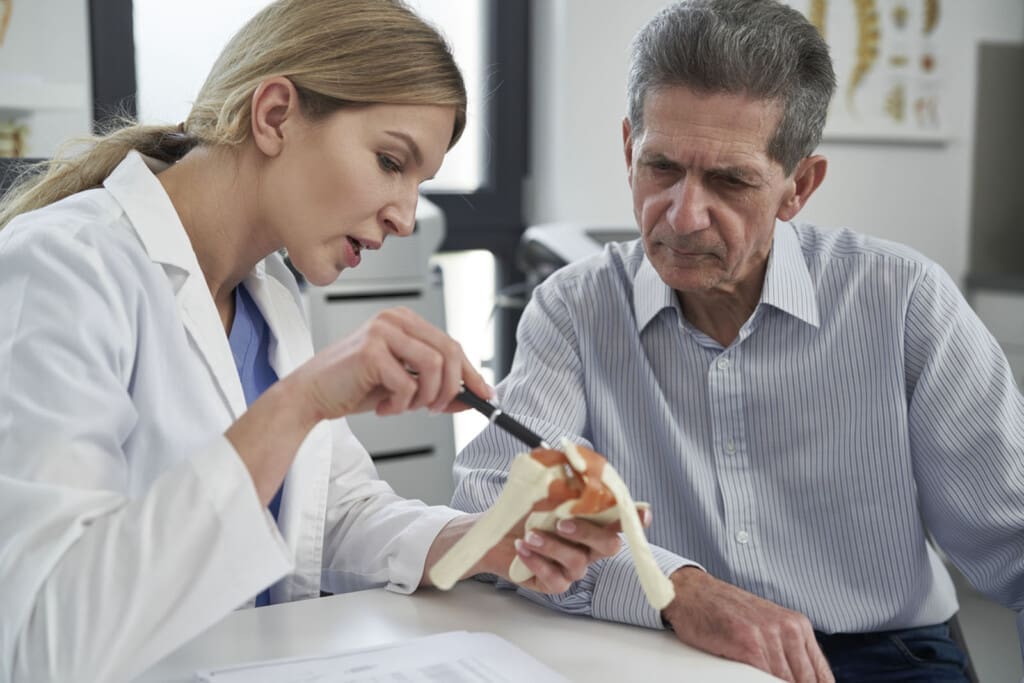
When you walk into a chiropractic or nurse practitioner clinic, you may expect to be asked questions about your pain, posture, or medical history. But you may be surprised when your provider asks about your diet—especially your reliance on fast food, packaged meals, or convenience snacks. These questions aren’t meant to judge; they are meant to uncover hidden contributors to your pain and recovery challenges.
Food choices have a direct impact on inflammation, nutrient absorption, body weight, and even how your spine and nerves respond to treatment. By understanding your eating habits, providers can design treatment plans that address the root causes of musculoskeletal and nerve issues, not just the surface symptoms (Village Chiros, n.d.).
Why Chiropractors Focus on Diet
Chiropractors work with the musculoskeletal system, but they also understand that inflammation and nutrition shape how well the body recovers. Highly processed foods, artificial additives, and sugary drinks fuel inflammation that worsens back pain, nerve irritation, and joint stiffness.
By guiding patients toward more anti-inflammatory, nutrient-dense foods, chiropractors help improve treatment results. Patients who shift their diet often notice better flexibility, less soreness after adjustments, and faster healing from injuries (Logan University, n.d.; Rangeline Chiropractic, n.d.).
The Nurse Practitioner’s Perspective
Nurse practitioners bring a whole-body, preventive approach to care. They manage chronic conditions like diabetes or hypertension, which are strongly influenced by diet. Fast food, high in sodium and poor-quality fats, can worsen these conditions and complicate pain management.
By asking about packaged and convenience foods, NPs can identify risk factors that slow recovery, interfere with medications, or increase inflammation. They then guide patients with practical dietary strategies that complement chiropractic treatment and support long-term wellness (SNHU, 2023; Mayo Clinic College of Medicine, n.d.).
How Poor Food Choices Affect Recovery
1. Inflammation and Pain
Processed foods can raise inflammatory markers, leading to increased pain in joints and muscles. Inflammation also slows recovery from injuries like whiplash, disc issues, or sprains (Shelby Township Chiropractic, n.d.).
2. Nutrient Absorption Problems
Fast foods and packaged snacks often lack key vitamins and minerals needed for muscle and bone repair. Without these nutrients, healing is incomplete, leaving patients vulnerable to recurring pain (Markson Chiropractic, n.d.).
3. Added Stress on the Spine
Weight gain from a poor diet increases pressure on the spine, hips, and knees. For patients already struggling with nerve pain or musculoskeletal imbalances, the added stress can worsen discomfort (Rush Chiropractic, n.d.).
4. Medication Interactions
Certain foods interfere with how medications are absorbed or metabolized, reducing effectiveness or creating side effects (Johns Hopkins Medicine, n.d.). Nurse practitioners ask about a patient’s diet to ensure treatments are safe and effective.
Clinical Observations from Dr. Alexander Jimenez
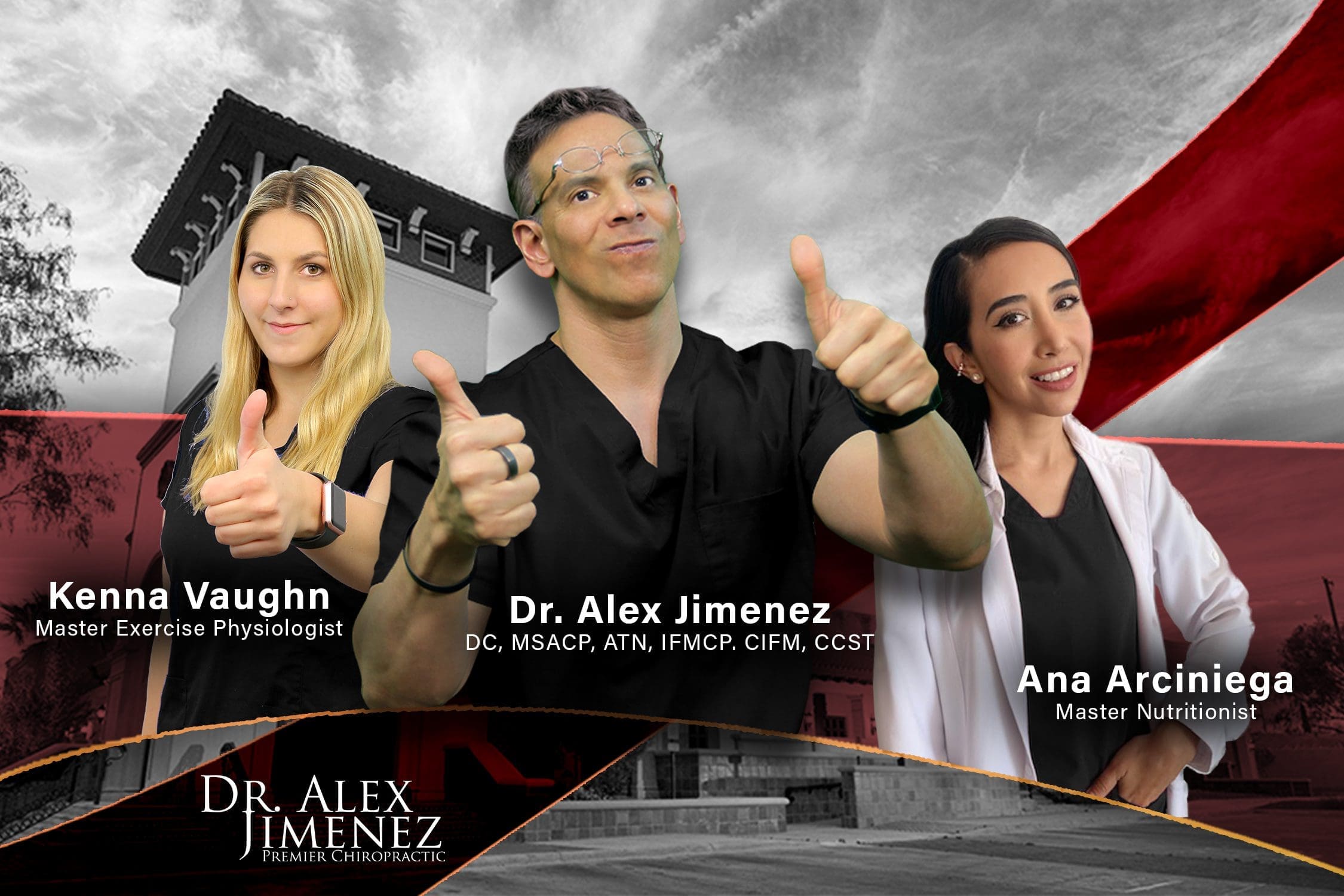
In El Paso, Dr. Alexander Jimenez, DC, APRN, FNP-BC, sees how diet directly impacts injury recovery. His dual-scope approach combines chiropractic and medical expertise, using advanced diagnostics like MRI, motion imaging, and functional medicine assessments to uncover the link between lifestyle and pain.
- Injury Care: Many patients come after car accidents, sports injuries, or workplace trauma. Those with high fast-food diets often take longer to heal.
- Holistic Treatment: Dr. Jimenez integrates chiropractic adjustments, massage therapy, acupuncture, and nutritional guidance to promote natural healing and overall well-being.
- Legal & Medical Support: For personal injury cases, his clinic provides documentation showing how diet and lifestyle influence recovery timelines.
- Preventive Focus: Patients who adjust their eating habits see not just reduced pain but lower risks of re-injury and chronic inflammation.
This integrated care model ensures that patients receive both symptom relief and long-term solutions (Jimenez, n.d.).
Practical Nutrition Tips for Healing
Patients don’t need to overhaul their entire diet overnight. Small steps can create meaningful improvements in healing and pain reduction:
- Swap one fast-food meal per week with a fresh, home-prepared option.
- Add anti-inflammatory foods: leafy greens, berries, salmon, walnuts, olive oil.
- Stay hydrated with water and herbal teas instead of sugary drinks.
- Choose whole grains instead of refined carbs.
- Prioritize protein for tissue repair by consuming lean meats, eggs, beans, or high-quality shakes.
These shifts improve spinal health, reduce nerve irritation, and enhance treatment outcomes.
Conclusion
Chiropractors and nurse practitioners ask about convenience foods, packaged meals, and fast food because what you eat has a powerful impact on your pain, inflammation, and recovery. Honest answers give providers the insight they need to tailor care that addresses both the symptoms and the underlying causes.
Through integrative treatment—spinal adjustments, rehabilitation, massage, acupuncture, and nutrition guidance—patients can heal faster, regain mobility, and prevent chronic issues. By making smarter food choices, you give your body the best chance at natural recovery and lasting wellness.

References
- AlignRight Chiropractic. (n.d.). Nutrition and chiropractic care.
- College of Medicine Mayo Clinic. (n.d.). Nurse practitioner career overview.
- Dr. Alexander Jimenez. (n.d.). Chiropractic and functional medicine insights.
- Johns Hopkins Medicine. (n.d.). Food and drug interactions.
- Logan University. (n.d.). The important role nutrition plays in chiropractic care.
- Markson Chiropractic. (n.d.). The connection between nutrition and chiropractic care.
- Rangeline Chiropractic. (n.d.). Integrating chiropractic care with nutrition for optimal wellness.
- Rush Chiropractic. (n.d.). How exercise and nutrition affect chiropractic care.
- Shelby Township Chiropractic. (n.d.). Foods that can help or hinder your chiropractic treatment.
- Southern New Hampshire University. (2023). What is a nurse practitioner?
- Village Chiros. (n.d.). The importance of good nutrition and chiropractic care.
Professional Scope of Practice *
The information herein on "Inflammation and Diet Recovery Strategies Explained" is not intended to replace a one-on-one relationship with a qualified health care professional or licensed physician and is not medical advice. We encourage you to make healthcare decisions based on your research and partnership with a qualified healthcare professional.
Blog Information & Scope Discussions
Welcome to El Paso's Premier Wellness and Injury Care Clinic & Wellness Blog, where Dr. Alex Jimenez, DC, FNP-C, a Multi-State board-certified Family Practice Nurse Practitioner (FNP-BC) and Chiropractor (DC), presents insights on how our multidisciplinary team is dedicated to holistic healing and personalized care. Our practice aligns with evidence-based treatment protocols inspired by integrative medicine principles, similar to those found on this site and our family practice-based chiromed.com site, focusing on restoring health naturally for patients of all ages.
Our areas of multidisciplinary practice include Wellness & Nutrition, Chronic Pain, Personal Injury, Auto Accident Care, Work Injuries, Back Injury, Low Back Pain, Neck Pain, Migraine Headaches, Sports Injuries, Severe Sciatica, Scoliosis, Complex Herniated Discs, Fibromyalgia, Chronic Pain, Complex Injuries, Stress Management, Functional Medicine Treatments, and in-scope care protocols.
Our information scope is multidisciplinary, focusing on musculoskeletal and physical medicine, wellness, contributing etiological viscerosomatic disturbances within clinical presentations, associated somato-visceral reflex clinical dynamics, subluxation complexes, sensitive health issues, and functional medicine articles, topics, and discussions.
We provide and present clinical collaboration with specialists from various disciplines. Each specialist is governed by their professional scope of practice and their jurisdiction of licensure. We use functional health & wellness protocols to treat and support care for musculoskeletal injuries or disorders.
Our videos, posts, topics, and insights address clinical matters and issues that are directly or indirectly related to our clinical scope of practice.
Our office has made a reasonable effort to provide supportive citations and has identified relevant research studies that support our posts. We provide copies of supporting research studies upon request to regulatory boards and the public.
We understand that we cover matters that require an additional explanation of how they may assist in a particular care plan or treatment protocol; therefore, to discuss the subject matter above further, please feel free to ask Dr. Alex Jimenez, DC, APRN, FNP-BC, or contact us at 915-850-0900.
We are here to help you and your family.
Blessings
Dr. Alex Jimenez DC, MSACP, APRN, FNP-BC*, CCST, IFMCP, CFMP, ATN
email: [email protected]
Multidisciplinary Licensing & Board Certifications:
Licensed as a Doctor of Chiropractic (DC) in Texas & New Mexico*
Texas DC License #: TX5807, Verified: TX5807
New Mexico DC License #: NM-DC2182, Verified: NM-DC2182
Multi-State Advanced Practice Registered Nurse (APRN*) in Texas & Multi-States
Multi-state Compact APRN License by Endorsement (42 States)
Texas APRN License #: 1191402, Verified: 1191402 *
Florida APRN License #: 11043890, Verified: APRN11043890 *
Colorado License #: C-APN.0105610-C-NP, Verified: C-APN.0105610-C-NP
New York License #: N25929, Verified N25929
License Verification Link: Nursys License Verifier
* Prescriptive Authority Authorized
ANCC FNP-BC: Board Certified Nurse Practitioner*
Compact Status: Multi-State License: Authorized to Practice in 40 States*
Graduate with Honors: ICHS: MSN-FNP (Family Nurse Practitioner Program)
Degree Granted. Master's in Family Practice MSN Diploma (Cum Laude)
Dr. Alex Jimenez, DC, APRN, FNP-BC*, CFMP, IFMCP, ATN, CCST
My Digital Business Card
Licenses and Board Certifications:
DC: Doctor of Chiropractic
APRNP: Advanced Practice Registered Nurse
FNP-BC: Family Practice Specialization (Multi-State Board Certified)
RN: Registered Nurse (Multi-State Compact License)
CFMP: Certified Functional Medicine Provider
MSN-FNP: Master of Science in Family Practice Medicine
MSACP: Master of Science in Advanced Clinical Practice
IFMCP: Institute of Functional Medicine
CCST: Certified Chiropractic Spinal Trauma
ATN: Advanced Translational Neutrogenomics
Memberships & Associations:
TCA: Texas Chiropractic Association: Member ID: 104311
AANP: American Association of Nurse Practitioners: Member ID: 2198960
ANA: American Nurse Association: Member ID: 06458222 (District TX01)
TNA: Texas Nurse Association: Member ID: 06458222
NPI: 1205907805
| Primary Taxonomy | Selected Taxonomy | State | License Number |
|---|---|---|---|
| No | 111N00000X - Chiropractor | NM | DC2182 |
| Yes | 111N00000X - Chiropractor | TX | DC5807 |
| Yes | 363LF0000X - Nurse Practitioner - Family | TX | 1191402 |
| Yes | 363LF0000X - Nurse Practitioner - Family | FL | 11043890 |
| Yes | 363LF0000X - Nurse Practitioner - Family | CO | C-APN.0105610-C-NP |
| Yes | 363LF0000X - Nurse Practitioner - Family | NY | N25929 |
Dr. Alex Jimenez, DC, APRN, FNP-BC*, CFMP, IFMCP, ATN, CCST
My Digital Business Card