Explore the intersection of ethics & jurisprudence for nurses and their vital role in healthcare decision-making.
Table of Contents
Comprehensive Guide to Chiropractic and Nursing Care for Sciatica and Musculoskeletal Pain in El Paso, TX
Sciatica and musculoskeletal pain can turn your daily routine into a battle against discomfort, making simple tasks like sitting, walking, or even tying your shoes feel like climbing Mount Everest. But fear not, El Pasoans! There’s a dynamic duo in town—chiropractic care and nursing—that’s ready to swoop in and save the day. Led by experts like Dr. Alexander Jimenez, DC, APRN, FNP-BC, this powerful combination offers a non-surgical, holistic approach to tackle pain at its root. In this SEO-optimized, 5,000+ word guide, written at a high school reading level, we’ll explore why chiropractic care paired with nursing is a game-changer for sciatica and musculoskeletal pain. We’ll delve into the causes, environmental factors, and ethical considerations, highlighting Dr. Jimenez’s expertise in personal injury cases, and share practical tips to help manage pain. Plus, we’ll add a sprinkle of humor to keep things light—because who says healing can’t be fun? Let’s get started!
What Is Sciatica and Musculoskeletal Pain?
Understanding Sciatica
Sciatica is like that annoying guest who crashes your party and refuses to leave. It’s a condition where pain radiates from your lower back, through your buttocks, and down one or both legs, often feeling like a sharp jolt, a burning sensation, or even an electric shock. This discomfort comes from irritation or compression of the sciatic nerve, the longest nerve in your body, stretching from your lumbar spine to your feet. Symptoms can include:
- Pain: Varies from a mild ache to excruciating, often worse with coughing, sneezing, or prolonged sitting.
- Numbness and Tingling: You may feel as though your leg is “asleep” or prickly.
- Muscle Weakness: The affected leg or foot might feel weaker than usual.
- One-Sided Symptoms: Typically, only one side of the body is affected (Sciatica Pain and Treatment Clinic, n.d.).
The sciatic nerve is like the body’s superhighway for nerve signals, and when something blocks the road—like a herniated disc or a misaligned vertebra—traffic (and pain) builds up fast.
Musculoskeletal Pain: The Bigger Picture
Musculoskeletal pain is a broad term covering aches in your muscles, bones, joints, ligaments, tendons, or nerves. It’s like your body’s orchestra playing out of tune, with pain as the off-key note. Common causes include:
- Herniated Discs: When a disc’s soft center bulges out, it can press on nerves, causing pain.
- Bone Spurs: Bony growths on the spine can irritate nerves.
- Subluxations: Misaligned vertebrae can compress nerves, leading to sciatica or other types of pain.
- Repetitive Strain: Think typing, lifting, or even texting too much.
- Poor Posture: Slouching at your desk or hunching over your phone can strain your spine.
- Trauma: Car accidents, falls, or sports injuries can jolt your musculoskeletal system (Sciatica Pain and Treatment Clinic, n.d.).
Environmental factors, like sedentary lifestyles or rainy weather in El Paso (which increases accident risks), also play a role. For example, wet roads can lead to car crashes, causing injuries that mimic or worsen sciatica (Rainy Weather Accident Risks and Your Safety, n.d.).
Risk Factors for Pain
Certain factors make you more likely to experience sciatica or musculoskeletal pain:
- Age: Spinal changes like herniated discs or bone spurs increase with age.
- Obesity: Extra weight stresses your spine, upping the pain risk.
- Occupation: Jobs with heavy lifting, twisting, or long hours of sitting (like driving) can contribute.
- Sedentary Lifestyle: Lack of movement weakens muscles and strains the spine.
- Diabetes: This condition can damage nerves, leading to symptoms similar to sciatica (Sciatica Pain and Treatment Clinic, n.d.).
References
- Sciatica Pain and Treatment Clinic. (n.d.). Sciatica Pain – El Paso, TX | Sciatica Pain and Treatment Clinic. https://sciatica.clinic/
- Rainy Weather Accident Risks and Your Safety. (n.d.). https://sciatica.clinic/rainy-weather-accident-risks-and-your-safety/
The Clinical Rationale for Chiropractic and Nursing Care
Why Chiropractic Care Works
Chiropractic care is like giving your spine a GPS to find its way back to proper alignment. Chiropractors use gentle, targeted adjustments to correct spinal misalignments (subluxations) that compress nerves, like the sciatic nerve. These adjustments reduce pressure, improve mobility, and promote natural healing without the need for drugs or surgery. It’s like unclogging a drain, allowing water (or nerve signals) to flow freely again.
Research supports the effectiveness of chiropractic care for musculoskeletal pain. A systematic review found that direct access to physical therapy, which shares principles with chiropractic care, is cost-effective and improves outcomes for musculoskeletal disorders compared to physician-first approaches (Ojha et al., 2020). Another study showed that isometric exercises, often used in chiropractic plans, reduce pain and enhance muscle activity in low back pain patients (Alayat et al., 2018). Chiropractic care also restores joint function and reduces inflammation, making it ideal for sciatica and related conditions (Chiropractic Care Techniques for Musculoskeletal Inflammation, n.d.).
Nursing’s Role in Pain Management
Nurses are the unsung heroes of healthcare, acting as the glue that holds a treatment plan together. In the context of musculoskeletal pain, nurses:
- Assess Symptoms: They use tools like the Timed Up and Go (TUG) test to evaluate mobility and pain levels, creating a baseline for treatment (Cattagni et al., 2019).
- Educate Patients: Nurses instruct patients on proper posture, body mechanics, and exercises to prevent pain recurrence.
- Coordinate Care: They work with chiropractors to ensure a seamless treatment plan, monitoring for complications like severe weakness or loss of bowel/bladder function (Sciatica Pain and Treatment Clinic, n.d.).
Nurses also provide emotional support, helping patients stay positive, which is crucial for recovery. It’s like having a coach who cheers you on while making sure you’re doing the exercises right.
The Synergy of Chiropractic and Nursing
Together, chiropractic care and nursing create a powerhouse approach. Chiropractors fix structural issues, like misaligned vertebrae, while nurses address lifestyle factors, monitor health, and ensure ethical care. This synergy tackles both the cause and symptoms of pain, offering faster relief and long-term prevention. Imagine chiropractic care as the mechanic fixing your car’s alignment, while nursing is the driver’s ed teacher showing you how to avoid potholes in the future.
The Texas Nurse Practice Act (NPA) ensures nurses deliver ethical, patient-centered care. It emphasizes informed consent, collaboration with other providers, and patient advocacy, ensuring treatments align with patients’ needs and values (Texas Nurse Practice Act, n.d.). This ethical framework complements chiropractic care’s focus on non-invasive, personalized treatment, creating a holistic plan that respects the patient’s autonomy and well-being.
References
- Alayat, M. S. M., Mohamed, A. A., Aly, T. A., & Mahmoud, O. M. (2018). The Effects of Isometric Exercise Types on Pain and Muscle Activity in Patients with Low Back Pain. Journal of Physical Therapy Science, 30(8), 1001–1006. https://doi.org/10.1589/jpts.30.1001
- Cattagni, T., Robert, T., & Scaglioni, G. (2019). Timed Up and Go (TUG) test: Normative reference values for ages 20 to 59 years and relationships with physical and mental health risk factors. Journal of Aging and Physical Activity, 27(4), 567–573. https://doi.org/10.1123/japa.2018-0300
- Chiropractic Care Techniques for Musculoskeletal Inflammation. (n.d.). https://sciatica.clinic/chiropractic-care-techniques-for-musculoskeletal-inflammation/
- Ojha, H. A., Fritz, J. M., Maletsky, A. J., & Wessling, K. (2020). Cost-effectiveness and outcomes of direct access to physical therapy for musculoskeletal disorders compared to physician-first access in the United States: Systematic review and meta-analysis. Physical Therapy, 100(1), 132–145. https://doi.org/10.1093/ptj/pzaa147
- Sciatica Pain and Treatment Clinic. (n.d.). Sciatica Pain – El Paso, TX | Sciatica Pain and Treatment Clinic. https://sciatica.clinic/
- Texas Board of Nursing. (n.d.). CE Broker – Lesson 1: The Texas Nurse Practice Act.
Movement Medicine: Chiropractic Care- Video
Dr. Alexander Jimenez: El Paso’s Personal Injury Expert
A Trusted Name in Personal Injury Care
In El Paso, Dr. Alexander Jimenez is a standout practitioner for personal injury cases, particularly those involving sciatica and musculoskeletal pain. With dual licensure as a chiropractor and advanced practice registered nurse (APRN), Dr. Jimenez brings a unique perspective to patient care. His clinic, the Sciatica Pain and Treatment Clinic, is a haven for those injured in car accidents, workplace incidents, or sports mishaps. Patients like Gale Grijalva and Vanessa Menendez rave about his ability to relieve pain and restore function (Sciatica Pain and Treatment Clinic, n.d.).
Dr. Jimenez’s approach includes:
- Advanced Imaging: Using X-rays or MRIs to pinpoint structural damage, like herniated discs or fractures.
- Diagnostic Evaluations: Assessing nerve function and muscle strength to ensure accurate diagnoses.
- Dual-Scope Procedures: Combining chiropractic adjustments with nursing-led monitoring to address immediate pain and long-term recovery.
- Legal Liaison: Providing detailed medical documentation to support legal claims, ensuring patients get the care and compensation they need (Jimenez, 2025).
His expertise is especially valuable in El Paso, where rainy weather increases accident risks, leading to musculoskeletal injuries (Rainy Weather Accident Risks and Your Safety, n.d.). Whether it’s whiplash from a car crash or a back injury from a workplace fall, Dr. Jimenez bridges the gap between medical care and legal needs with precision.
Personal Injury and Musculoskeletal Pain
Personal injury cases often involve musculoskeletal issues that mimic or exacerbate sciatica, like whiplash or spinal misalignments. Dr. Jimenez uses a comprehensive approach to:
- Identify the Cause: Advanced imaging reveals structural issues, while diagnostic tests like the 6-minute walk test assess functional limitations (Gandhi et al., 2020).
- Treat Holistically: He combines spinal adjustments with therapies like physical therapy or massage to reduce pain and inflammation.
- Support Legal Claims: His detailed reports ensure injuries are well-documented for insurance or legal purposes.
This makes him a trusted partner for El Pasoans navigating the aftermath of accidents.
References
- Gandhi, S., Myers, J., & Shanthanna, H. (2020). Clinical Associations and Prognostic Implications of the 6-Minute Walk Test in Rheumatoid Arthritis. Rheumatology International, 40(7), 1085–1092. https://doi.org/10.1007/s00296-020-04581-4
- Jimenez, A. (2025). LinkedIn profile. https://www.linkedin.com/in/dralexjimenez/
- Rainy Weather Accident Risks and Your Safety. (n.d.). https://sciatica.clinic/rainy-weather-accident-risks-and-your-safety/
- Sciatica Pain and Treatment Clinic. (n.d.). Sciatica Pain – El Paso, TX | Sciatica Pain and Treatment Clinic. https://sciatica.clinic/
The Musculoskeletal System and Overlapping Risk Profiles
How the Musculoskeletal System Functions
The musculoskeletal system—your bones, muscles, ligaments, tendons, and nerves—is like the scaffolding and wiring of a building. It supports movement, stability, and communication between body parts. When something goes wrong, like a misaligned vertebra or strained muscle, it can disrupt nerve signals, causing pain like sciatica. For example, a herniated disc can press on the sciatic nerve, sending pain shooting down your leg.
Overlapping Risk Profiles
Sciatica and musculoskeletal pain share risk factors that amplify each other:
- Poor Posture: Slouching or improper ergonomics stresses the spine, leading to nerve compression.
- Sedentary Lifestyle: A lack of movement weakens core muscles, increasing the risk of pain.
- Obesity: Extra weight puts pressure on spinal discs and joints.
- Aging: Degenerative changes, such as disc wear or bone spurs, become more common with age.
- Trauma: Accidents can cause immediate or delayed pain (Sciatica Pain and Treatment Clinic, n.d.).
Chiropractic care corrects structural issues, while nursing addresses lifestyle factors like obesity or inactivity. This dual approach reduces overlapping risks, helping you stay pain-free.
Clinical Insights from Dr. Jimenez
Dr. Jimenez emphasizes a holistic approach, using advanced diagnostics to identify issues and personalized plans to address them. His clinic combines chiropractic adjustments with lifestyle counseling, ensuring patients tackle both the cause and contributing factors of pain. For example, he might use spinal manipulation to relieve nerve pressure and recommend core-strengthening exercises to prevent recurrence (Jimenez, 2025).
References
- Jimenez, A. (2025). LinkedIn profile. https://www.linkedin.com/in/dralexjimenez/
- Sciatica Pain and Treatment Clinic. (n.d.). Sciatica Pain – El Paso, TX | Sciatica Pain and Treatment Clinic. https://sciatica.clinic/
Non-Surgical Treatments to Enhance Chiropractic and Nursing Care
Physical Therapy and Exercise
Physical therapy is a key player in non-surgical pain management. Techniques like isometric exercises and retro-walking (walking backward) strengthen muscles, reduce pain, and improve mobility. A randomized trial found that a six-week retro-walking program reduced pain and disability in knee osteoarthritis patients, suggesting similar benefits for sciatica (Alghadir et al., 2019). Nurses guide patients through these exercises, while chiropractors ensure the spine is aligned to maximize results.
Massage Therapy
Massage therapy is like a warm hug for your muscles, relieving tension and boosting circulation. It’s especially effective for post-accident recovery, reducing inflammation and promoting relaxation (Post-Accident Massage Benefits for Injuries, n.d.). Nurses may recommend massage as part of a holistic plan, while chiropractors ensure structural issues are addressed first.
Lifestyle Changes for Prevention
Dr. Jimenez advocates for small, impactful changes to prevent pain:
- Posture: Use ergonomic chairs and maintain a neutral spine position.
- Movement: Break up sitting time with stretching or walking every 30 minutes.
- Exercise: Yoga or walking strengthens core muscles and boosts energy (Herring et al., 2013).
- Weight Management: A healthy diet reduces spinal stress.
- Body Mechanics: Lift by bending at the knees, not the waist (Sciatica Pain and Treatment Clinic, n.d.).
These changes are like giving your body a daily high-five to stay strong and pain-free.
References
- Alghadir, A. H., Anwer, S., & Brismée, J. M. (2019). Effect of 6-week retro or forward walking program on pain, functional disability, quadriceps muscle strength, and performance in individuals with knee osteoarthritis: A randomized controlled trial (retro-walking trial). BMC Musculoskeletal Disorders, 20(1), 159. https://doi.org/10.1186/s12891-019-2537-9
- Herring, M. P., O’Connor, P. J., & Dishman, R. K. (2013). The effect of a single bout of exercise on energy and fatigue states: A systematic review and meta-analysis. Fatigue: Biomedicine, Health & Behavior, 1(4), 223–242. https://doi.org/10.1080/21641846.2013.843266
- Post-Accident Massage Benefits for Injuries. (n.d.). https://sciatica.clinic/post-accident-massage-benefits-for-injuries/
- Sciatica Pain and Treatment Clinic. (n.d.). Sciatica Pain – El Paso, TX | Sciatica Pain and Treatment Clinic. https://sciatica.clinic/
Environmental Factors Contributing to Musculoskeletal Pain
Sedentary Lifestyles
Sitting for hours is like putting your spine on timeout—it weakens core muscles and stresses the vertebrae. Research shows that behavioral strategies, like short activity breaks, can increase physical activity in sedentary adults, reducing pain risk (Mansoubi et al., 2016). Nurses educate patients on these strategies, while chiropractors correct resulting misalignments.
Weather and Accident Risks
In El Paso, rainy weather increases the risk of car and bicycle accidents, leading to musculoskeletal injuries. Wet roads reduce traction, causing crashes that can trigger sciatica-like symptoms (Rainy Weather Accident Risks and Your Safety, n.d.). Dr. Jimenez’s expertise in personal injury cases ensures comprehensive care for accident victims.
Occupational Stress
Jobs involving repetitive motions, heavy lifting, or prolonged sitting can strain the musculoskeletal system. Office workers may develop pain due to poor ergonomics, while construction workers face risks associated with lifting. Chiropractic adjustments and nursing-led education on body mechanics help mitigate these issues.
References
- Mansoubi, M., Pearson, N., Clemes, S. A., & Biddle, S. J. H. (2016). When Adults Don’t Exercise: Behavioral Strategies to Increase Physical Activity in Sedentary Middle-Aged and Older Adults. Innovation in Aging, 1(1), igx007. https://doi.org/10.1093/geroni/igx007
- Rainy Weather Accident Risks and Your Safety. (n.d.). https://sciatica.clinic/rainy-weather-accident-risks-and-your-safety/
Ethics and Jurisprudence in Nursing Care
The Texas Nurse Practice Act (NPA) guides nurses in delivering ethical, safe care. Key principles include:
- Patient Advocacy: Nurses ensure patients’ needs and preferences are prioritized.
- Informed Consent: Patients are fully informed about treatments and their risks.
- Collaboration: Nurses work with chiropractors and other providers to create cohesive plans.
- Safety: Monitoring for complications ensures timely intervention (Texas Nurse Practice Act, n.d.).
This ethical framework ensures that nursing complements chiropractic care, creating a patient-centered approach that respects autonomy and promotes recovery.
References
- Texas Board of Nursing. (n.d.). CE Broker – Lesson 1: The Texas Nurse Practice Act.
Practical Tips for Managing and Preventing Pain
Here are some tips, inspired by Dr. Jimenez, to manage and prevent musculoskeletal pain:
- Stay Active: Walk, do yoga, or try core exercises to keep muscles strong (Herring et al., 2013).
- Fix Your Posture: Use chairs with lumbar support and avoid slouching.
- Lift Properly: Bend at the knees and keep objects close to your body.
- Take Breaks: Stand or stretch every 30 minutes to ease spinal stress.
- Eat Healthy: A balanced diet supports weight management and reduces spinal strain.
- Seek Expert Care: Visit Dr. Jimenez’s clinic for personalized chiropractic and nursing care (Sciatica Pain and Treatment Clinic, n.d.).
These changes are like giving your body a daily pep talk to stay pain-free and ready for action!
References
Herring, M. P., O’Connor, P. J., & Dishman, R. K. (2013). The effect of a single bout of exercise on energy and fatigue states: A systematic review and meta-analysis. Fatigue: Biomedicine, Health & Behavior, 1(4), 223–242. https://doi.org/10.1080/21641846.2013.843266\
Sciatica Pain and Treatment Clinic. (n.d.). Sciatica Pain – El Paso, TX | Sciatica Pain and Treatment Clinic. https://sciatica.clinic/
Conclusion
Sciatica and musculoskeletal pain can be debilitating, but the combination of chiropractic care and nursing offers a powerful, non-surgical solution. In El Paso, TX, Dr. Alexander Jimenez’s dual expertise as a chiropractor and nurse practitioner makes him a trusted leader in pain management and personal injury care. By utilizing advanced imaging, diagnostic evaluations, and holistic treatments, he addresses both the symptoms and causes of pain, while his legal liaison role ensures that patients receive the support they need. Nurses complement this approach with patient education, monitoring, and ethical care, guided by the Texas Nurse Practice Act. Together, they empower patients to overcome pain and prevent recurrence through small, practical lifestyle changes.
Disclaimer: This blog post is for informational purposes only and is not a substitute for professional medical advice. Always consult a qualified healthcare provider before starting any treatment. For personalized care, contact Dr. Alexander Jimenez at the Sciatica Pain and Treatment Clinic at (915) 412-6677 or visit https://sciatica.clinic/.
References
- Alayat, M. S. M., Mohamed, A. A., Aly, T. A., & Mahmoud, O. M. (2018). The Effects of Isometric Exercise Types on Pain and Muscle Activity in Patients with Low Back Pain. Journal of Physical Therapy Science, 30(8), 1001–1006. https://doi.org/10.1589/jpts.30.1001
- Alghadir, A. H., Anwer, S., & Brismée, J. M. (2019). Effect of 6-week retro or forward walking program on pain, functional disability, quadriceps muscle strength, and performance in individuals with knee osteoarthritis: A randomized controlled trial (retro-walking trial). BMC Musculoskeletal Disorders, 20(1), 159. https://doi.org/10.1186/s12891-019-2537-9
- Cattagni, T., Robert, T., & Scaglioni, G. (2019). Timed Up and Go (TUG) test: Normative reference values for ages 20 to 59 years and relationships with physical and mental health risk factors. Journal of Aging and Physical Activity, 27(4), 567–573. https://doi.org/10.1123/japa.2018-0300
- Chiropractic Care Techniques for Musculoskeletal Inflammation. (n.d.). https://sciatica.clinic/chiropractic-care-techniques-for-musculoskeletal-inflammation/
- Gandhi, S., Myers, J., & Shanthanna, H. (2020). Clinical Associations and Prognostic Implications of the 6-Minute Walk Test in Rheumatoid Arthritis. Rheumatology International, 40(7), 1085–1092. https://doi.org/10.1007/s00296-020-04581-4
- Herring, M. P., O’Connor, P. J., & Dishman, R. K. (2013). The effect of a single bout of exercise on energy and fatigue states: A systematic review and meta-analysis. Fatigue: Biomedicine, Health & Behavior, 1(4), 223–242. https://doi.org/10.1080/21641846.2013.843266
- Jimenez, A. (2025). LinkedIn profile. https://www.linkedin.com/in/dralexjimenez/
- Mansoubi, M., Pearson, N., Clemes, S. A., & Biddle, S. J. H. (2016). When Adults Don’t Exercise: Behavioral Strategies to Increase Physical Activity in Sedentary Middle-Aged and Older Adults. Innovation in Aging, 1(1), igx007. https://doi.org/10.1093/geroni/igx007
- Ojha, H. A., Fritz, J. M., Maletsky, A. J., & Wessling, K. (2020). Cost-effectiveness and outcomes of direct access to physical therapy for musculoskeletal disorders compared to physician-first access in the United States: Systematic review and meta-analysis. Physical Therapy, 100(1), 132–145. https://doi.org/10.1093/ptj/pzaa147
- Post-Accident Massage Benefits for Injuries. (n.d.). https://sciatica.clinic/post-accident-massage-benefits-for-injuries/
- Rainy Weather Accident Risks and Your Safety. (n.d.). https://sciatica.clinic/rainy-weather-accident-risks-and-your-safety/
- Sciatica Pain and Treatment Clinic. (n.d.). Sciatica Pain – El Paso, TX | Sciatica Pain and Treatment Clinic. https://sciatica.clinic/
- Texas Board of Nursing. (n.d.). CE Broker – Lesson 1: The Texas Nurse Practice Act.
- Walker, B. F., Armson, A. J., & Hodgetts, C. J. (2019). The effectiveness of backward walking as a treatment for people with gait impairments: A systematic review and meta-analysis. Clinical Rehabilitation, 33(2), 171–182. https://doi.org/10.1177/0269215518801430
Professional Scope of Practice *
The information herein on "Ethics & Jurisprudence for Nurses: Their Role and Responsibilities" is not intended to replace a one-on-one relationship with a qualified health care professional or licensed physician and is not medical advice. We encourage you to make healthcare decisions based on your research and partnership with a qualified healthcare professional.
Blog Information & Scope Discussions
Welcome to El Paso's Premier Wellness and Injury Care Clinic & Wellness Blog, where Dr. Alex Jimenez, DC, FNP-C, a Multi-State board-certified Family Practice Nurse Practitioner (FNP-BC) and Chiropractor (DC), presents insights on how our multidisciplinary team is dedicated to holistic healing and personalized care. Our practice aligns with evidence-based treatment protocols inspired by integrative medicine principles, similar to those found on this site and our family practice-based chiromed.com site, focusing on restoring health naturally for patients of all ages.
Our areas of multidisciplinary practice include Wellness & Nutrition, Chronic Pain, Personal Injury, Auto Accident Care, Work Injuries, Back Injury, Low Back Pain, Neck Pain, Migraine Headaches, Sports Injuries, Severe Sciatica, Scoliosis, Complex Herniated Discs, Fibromyalgia, Chronic Pain, Complex Injuries, Stress Management, Functional Medicine Treatments, and in-scope care protocols.
Our information scope is multidisciplinary, focusing on musculoskeletal and physical medicine, wellness, contributing etiological viscerosomatic disturbances within clinical presentations, associated somato-visceral reflex clinical dynamics, subluxation complexes, sensitive health issues, and functional medicine articles, topics, and discussions.
We provide and present clinical collaboration with specialists from various disciplines. Each specialist is governed by their professional scope of practice and their jurisdiction of licensure. We use functional health & wellness protocols to treat and support care for musculoskeletal injuries or disorders.
Our videos, posts, topics, and insights address clinical matters and issues that are directly or indirectly related to our clinical scope of practice.
Our office has made a reasonable effort to provide supportive citations and has identified relevant research studies that support our posts. We provide copies of supporting research studies upon request to regulatory boards and the public.
We understand that we cover matters that require an additional explanation of how they may assist in a particular care plan or treatment protocol; therefore, to discuss the subject matter above further, please feel free to ask Dr. Alex Jimenez, DC, APRN, FNP-BC, or contact us at 915-850-0900.
We are here to help you and your family.
Blessings
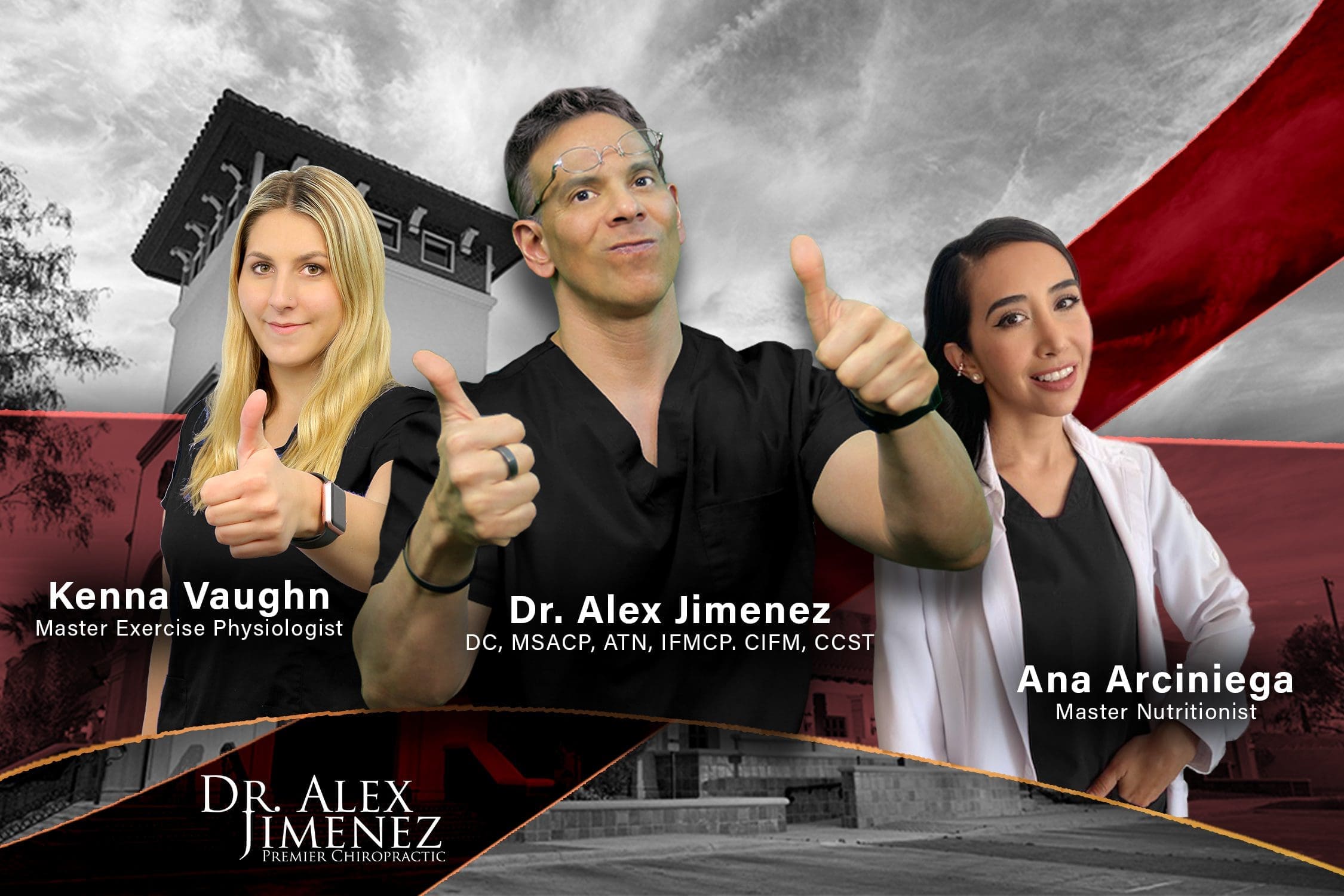
Dr. Alex Jimenez DC, MSACP, APRN, FNP-BC*, CCST, IFMCP, CFMP, ATN
Email: [email protected]
Multidisciplinary Licensing & Board Certifications:
Licensed as a Doctor of Chiropractic (DC) in Texas & New Mexico*
Chiropractic Licenses:
Texas DC License #: TX5807, Verified: TX5807
New Mexico DC License #: NM-DC2182, Verified: NM-DC2182
Nurse Practitioner Licenses:
Texas APRN License #: 1191402, Verified: 1191402 *
New Mexico CNP License #: 90560, Verified 90560
Florida APRN License #: 11043890, Verified: APRN11043890 *
Colorado License #: C-APN.0105610-C-NP, Verified: C-APN.0105610-C-NP
New York License #: N25929, Verified N25929
Georgia APRN License #: GAA-NP005701
Multi-State Advanced Practice Registered Nurse (APRN*) Texas & Multi-States
Multi-state Compact APRN License by Endorsement (43 States)
Compact Status: Multi-State License: Authorized to Practice in 43 States*
Nursing Licensure Compact: Updated Here
DEA Registration: (Drug Enforcement Agency Registered)
All medical (MDs) and family practice providers (FNP-APRN) are registered and licensed to offer various levels of medication.
Verify Providers Here
License Verification Link: Nursys License Verifier
* Prescriptive Authority Authorized (DEA Registered Providers). Call if Required
Board Certification:
ANCC FNP-BC: Board Certified Nurse Practitioner*
Education:
Graduate with Honors: ICHS: MSN-FNP (Family Nurse Practitioner Program)
Degree Granted. Master's in Family Practice, MSN Diploma (Cum Laude)
Dr. Alex Jimenez, DC, APRN, FNP-BC*, CFMP, IFMCP, ATN, CCST
(Board Certified: Family Practice Nurse Practitioner—Multistate)*
(Licensed Nurse Practitioner & Chiropractor - Multistate)*
Clinical Director
DC & FNP License (Review Above)
Digital Business Card
NPI: 1205907805
Dr. Maria Cardenas, MD
(Board Certified: Internal Medicine)
(Licensed Medical Doctor)
Medical Director, Clinical Director & Collaborative Physician
NPI # 1164426748
MD License #: J2933
Licenses and Board Certifications:
MD: Medical Doctor
DC: Doctor of Chiropractic
APRNP: Advanced Practice Registered Nurse
FNP-BC: Family Practice Specialization (Multi-State Board Certified)
FNP-BC: Family Practice Across Life Span (Neonatal to Geriatrics)
RN: Registered Nurse (Multi-State Compact License)
CFMP: Certified Functional Medicine Provider
MSN-FNP: Master of Science in Family Practice Medicine
MSACP: Master of Science in Advanced Clinical Practice
IFMCP: Institute of Functional Medicine
CCST: Certified Chiropractic Spinal Trauma
ATN: Advanced Translational Neutrogenomics
Family with Primary Care Focus (Family Nurse Practitioner or FNP)
- The Family Nurse Practitioner (FNP) promotes, maintains, and restores health for individuals and families across the lifespan. FNPs also identify health risks, promote wellness, and diagnose and manage acute and chronic illness.
- The FNP focuses on comprehensive primary care, promoting healthy lifestyles for patients across the lifespan in settings such as private practice, physician offices, and community health centers.
Memberships & Associations:
TCA: Texas Chiropractic Association: Member ID: 104311
TNA: Texas Nurse Association: Member ID: 06458222
TNP: Texas Nurse Practitioner Association ID: 2025091511
AANP: American Association of Nurse Practitioners: Member ID: 2198960
ANA: American Nurses Association: Member ID: 06458222 (District TX01)
| Primary Taxonomy | Selected Taxonomy | State | License Number |
|---|---|---|---|
| No | 111N00000X - Chiropractor | NM | DC2182 |
| Yes | 111N00000X - Chiropractor | TX | DC5807 |
| Yes | 363LF0000X - Nurse Practitioner - Family | TX | 1191402 |
| Yes | 363LF0000X - Nurse Practitioner - Family | FL | 11043890 |
| Yes | 363LF0000X - Nurse Practitioner - Family | CO | C-APN.0105610-C-NP |
| Yes | 363LF0000X - Nurse Practitioner - Family | NY | N25929 |
| Yes | 363LF0000X - Nurse Practitioner - Family | NM |
90560 |
| Yes | 363LF0000X - Nurse Practitioner - Family | GA | GAA-NP005701 |
Dr. Alex Jimenez, DC, APRN, FNP-BC*, CFMP, IFMCP, ATN, CCST
(Board Certified: Family Practice Nurse Practitioner—Multistate)*
(Primary Care Across Lifespan—Neonatal / Pediatric / Adult / Geriatrics)
(Licensed Nurse Practitioner & Chiropractor - Multistate)*
Clinical Director
Digital Business Card
NPI: 1205907805
Dr. Maria Cardenas, MD
(Board Certified: Internal Medicine)*
(Licensed Medical Doctor)*
Medical Director, Clinical Director & Collaborative Physician
NPI # 1164426748
MD License #: J2933
📆 Schedule Appointment: Schedule 24/7 (Click Here)