Table of Contents
Chiropractic Support for Gut Injuries After Car Accidents: The Spinal Connection to Digestive Health

When people think about car accident injuries, they usually picture whiplash, back pain, or sciatica. But what’s less known is that many patients also experience digestive problems after a crash—like nausea, bloating, constipation, or stomach cramps. These symptoms may not seem related to the spine, but they often are.
Chiropractic care can help alleviate gut symptoms following a motor vehicle accident by restoring spinal alignment, enhancing nerve function, and reducing inflammation. While chiropractors do not directly treat the digestive system, they focus on the nervous system, which controls all internal organs, including those in the gut.
Why Gut Problems May Follow a Car Accident
Car accidents can cause damage that extends beyond bones and muscles. Sudden impact can misalign the spine, cause inflammation, and irritate the nerves that support digestion. In many cases, people don’t notice gut symptoms until days or weeks later. These symptoms might include:
- Constipation
- Bloating or gas
- Loss of appetite
- Nausea or acid reflux
- Abdominal cramping
Nerve dysfunction may be the cause of these issues. The nerves exiting the spine in the thoracic and lumbar regions control parts of the digestive system. If these nerves are pinched or inflamed, the stomach and intestines may not function properly.
Learn more about post-accident stomach pain
The Nerve-Gut Connection: What Chiropractors Focus On
The spine protects the central nervous system, which communicates with every organ in the body—including the stomach, intestines, liver, and colon. Misalignments in the spine (called subluxations) can disturb this communication, leading to digestive problems.
Here’s how the spine and gut are connected:
- Thoracic spine (T5–T9): Controls stomach acid, enzyme secretion, and small intestine movement
- Lumbar spine (L1–L3): Impacts large intestine and colon function
- Cervical spine: Houses part of the vagus nerve, which manages digestion and internal balance
Chiropractic care restores proper spinal alignment and nerve signaling, helping to reduce digestive discomfort. In patients with back pain and gastrointestinal symptoms following an accident, realigning the spine can support both systems simultaneously.
Understand how spinal nerves impact digestion
Dr. Alexander Jimenez’s Dual-Scope Care for Auto Injuries
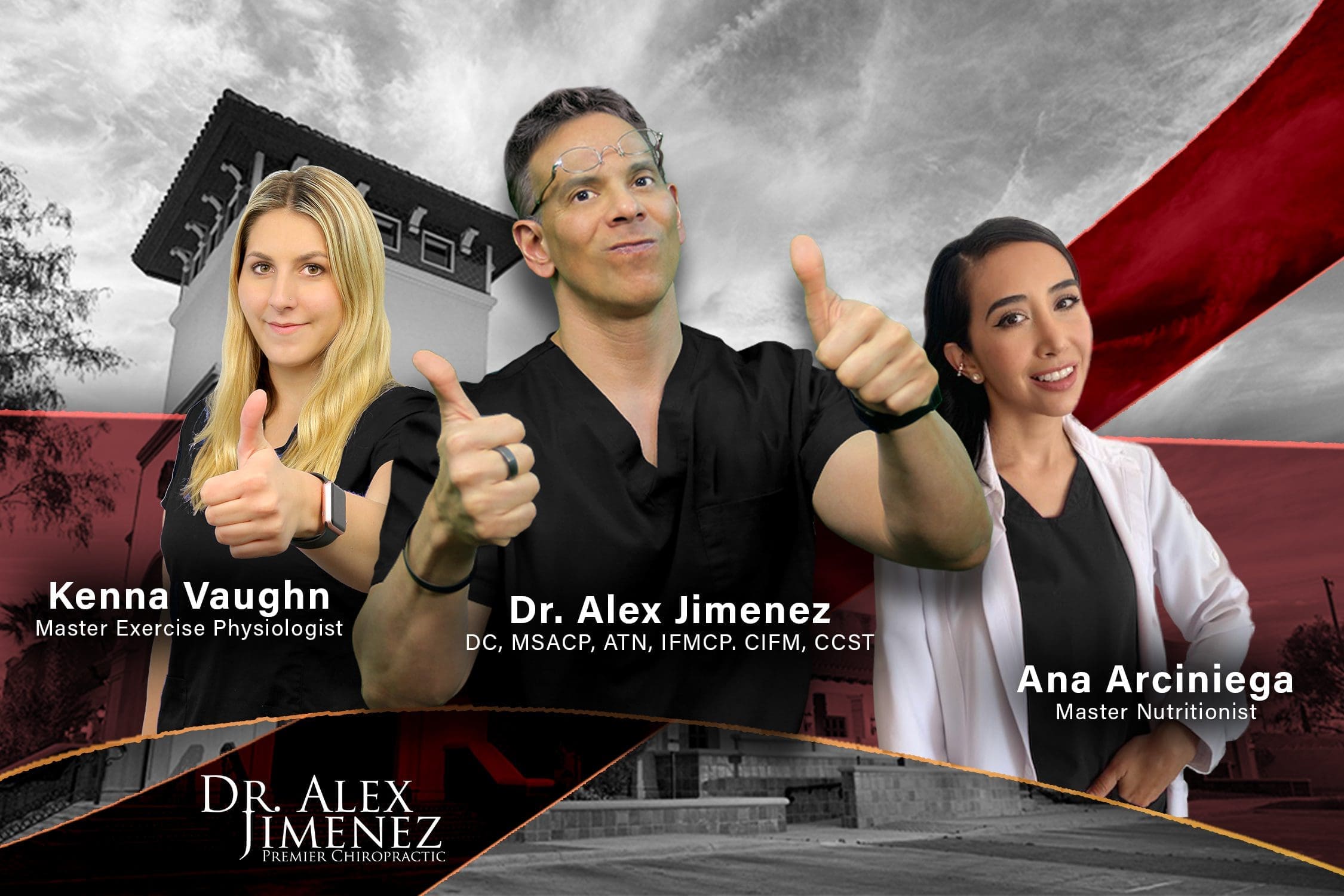
Dr. Alexander Jimenez, DC, APRN, FNP-BC, is a chiropractor and family nurse practitioner who specializes in motor vehicle accident recovery. With decades of experience, he blends chiropractic care, medical diagnostics, and functional medicine to treat both visible and hidden injuries.
Patients who see Dr. Jimenez often present with sciatica, lower back pain, or neck strain—along with digestive complaints. His comprehensive approach includes:
- Spinal evaluations and adjustments
- Imaging studies (MRI, X-ray, CT)
- Nerve conduction and muscle testing
- Gut symptom tracking and nutritional guidance
- Medical-legal documentation for injury cases
Dr. Jimenez explains, “After a car crash, patients may suffer from both spinal misalignment and internal distress. These systems are deeply connected. If we improve spinal health, we often see improvements in digestion too.”
Follow Dr. Jimenez’s integrative injury care
When Sciatica and Digestion Overlap
Sciatica is caused by compression or irritation of the sciatic nerve, which branches from the lower back through the hips and down the legs. While it’s mostly associated with leg pain, the lumbar spinal segments that affect the sciatic nerve also impact the colon and lower digestive tract.
Some patients with lumbar disc injuries or nerve compression report:
- Constipation
- Irregular bowel movements
- Lower abdominal bloating
- Pelvic pressure or pain
In these cases, treating the spinal cause of the nerve problem can help both sciatica and gut-related symptoms. Chiropractic adjustments reduce pressure on the affected spinal nerves, providing relief in both regions of the body.
Explore chiropractic care for lower spine recovery
Cervical Misalignments, Whiplash, and the Vagus Nerve
Whiplash often injures the cervical spine, which houses the upper part of the vagus nerve. This nerve controls many digestive functions, including:
- Stomach contractions
- Acid production
- Appetite regulation
- Gut motility
When the neck is misaligned after an accident, vagus nerve function may be compromised. This can lead to acid reflux, nausea, or indigestion. Gentle chiropractic care, focused on cervical alignment, can help relieve pressure and restore proper nerve function.
Read about the vagus nerve and digestion
Chiropractic vs. Medication for Gut Symptoms
After an accident, many people are given medications to manage pain or inflammation. But some of these drugs—like opioids or NSAIDs—can make digestive issues worse by slowing gut movement or irritating the stomach lining.
Chiropractic care offers a non-drug solution by addressing the root cause of many symptoms: spinal misalignment and nerve dysfunction. By realigning the spine and reducing inflammation, the body can begin to regulate itself again—without adding stress to the digestive system.
Compare chiropractic care and conventional treatment
Whole-Body Healing After a Car Accident
Healing from a car accident takes more than rest—it takes a team. Dr. Jimenez and his care team often combine chiropractic adjustments with:
- Physical therapy and rehab exercises
- Postural correction and core strengthening
- Anti-inflammatory nutrition plans
- Functional lab testing
- Breathing techniques and stress management
This integrative plan is especially helpful when injuries affect both the nervous and digestive systems. A whole-body approach supports faster and more comprehensive recovery from the inside out.
See how chiropractic supports full recovery
Legal and Diagnostic Support for Digestive Injuries
Gut issues after an accident can be difficult to document—but they are just as real as musculoskeletal injuries. Dr. Jimenez’s clinic provides:
- Detailed injury assessments
- Functional and neurological exams
- Imaging results linked to symptom patterns
- Written reports for insurance and attorneys
For patients pursuing legal compensation, thorough records that demonstrate how spinal injuries impact digestion can be essential. Dr. Jimenez’s dual-scope care ensures that nothing is missed—medically or legally.
Why internal injuries must be documented
Why Early Chiropractic Care Makes a Difference
It’s best not to wait. Digestive symptoms caused by spinal misalignment or nerve irritation may worsen over time if left untreated. Early care after a car crash helps:
- Prevent long-term nerve damage
- Reduce inflammation and scar tissue
- Improve spinal mobility
- Restore gut-brain communication
- Lower the risk of chronic gut issues
Whether you’re struggling with sciatica, back pain, or digestive problems after a car accident, chiropractic care can help bring your body back into balance.
Start care early to prevent chronic pain
Conclusion: The Spine’s Role in Digestive Recovery
After a car accident, spinal injuries can quietly disrupt the digestive system—causing symptoms that are uncomfortable and hard to manage. Chiropractic care helps by addressing the musculoskeletal causes of these problems. By restoring alignment and supporting nerve function, the body has a better chance of healing naturally.
Dr. Alexander Jimenez, DC, APRN, FNP-BC, offers an advanced, dual-scope approach to post-accident care that blends chiropractic therapy, medical diagnostics, functional support, and legal documentation. Whether you’re suffering from sciatica, neck pain, or unexpected gut problems, spinal care can be the missing piece in your recovery plan.
References
- Atlas Injury to Health. (n.d.). The Benefits of Chiropractic Care for Digestive Health.
- David Ricks Law. (n.d.). California Personal Injury Claims Involving Organ Damage.
- Dr. Kal. (n.d.). Early Chiropractic Care After Car Crashes.
- Essential Chiropractic. (n.d.). The Link Between Gut Health and Spinal Alignment.
- Fox Integrated Healthcare. (n.d.). How a Chiropractor Can Help With Accident-Related Stomach Pain.
- Total Vitality Medical Group. (n.d.). Car Accident Injuries Treated by Chiropractors.
- Uptown Denver Chiropractor. (n.d.). How Chiropractic Helps Auto Accident Victims.
- Wallace Pierce Law. (n.d.). Physical Therapy Versus Chiropractic Treatment.
Professional Scope of Practice *
The information herein on "Dr. Jimenez Digestive Recovery from Car Crash Injuries" is not intended to replace a one-on-one relationship with a qualified health care professional or licensed physician and is not medical advice. We encourage you to make healthcare decisions based on your research and partnership with a qualified healthcare professional.
Blog Information & Scope Discussions
Welcome to El Paso's Premier Wellness and Injury Care Clinic & Wellness Blog, where Dr. Alex Jimenez, DC, FNP-C, a Multi-State board-certified Family Practice Nurse Practitioner (FNP-BC) and Chiropractor (DC), presents insights on how our multidisciplinary team is dedicated to holistic healing and personalized care. Our practice aligns with evidence-based treatment protocols inspired by integrative medicine principles, similar to those found on this site and our family practice-based chiromed.com site, focusing on restoring health naturally for patients of all ages.
Our areas of multidisciplinary practice include Wellness & Nutrition, Chronic Pain, Personal Injury, Auto Accident Care, Work Injuries, Back Injury, Low Back Pain, Neck Pain, Migraine Headaches, Sports Injuries, Severe Sciatica, Scoliosis, Complex Herniated Discs, Fibromyalgia, Chronic Pain, Complex Injuries, Stress Management, Functional Medicine Treatments, and in-scope care protocols.
Our information scope is multidisciplinary, focusing on musculoskeletal and physical medicine, wellness, contributing etiological viscerosomatic disturbances within clinical presentations, associated somato-visceral reflex clinical dynamics, subluxation complexes, sensitive health issues, and functional medicine articles, topics, and discussions.
We provide and present clinical collaboration with specialists from various disciplines. Each specialist is governed by their professional scope of practice and their jurisdiction of licensure. We use functional health & wellness protocols to treat and support care for musculoskeletal injuries or disorders.
Our videos, posts, topics, and insights address clinical matters and issues that are directly or indirectly related to our clinical scope of practice.
Our office has made a reasonable effort to provide supportive citations and has identified relevant research studies that support our posts. We provide copies of supporting research studies upon request to regulatory boards and the public.
We understand that we cover matters that require an additional explanation of how they may assist in a particular care plan or treatment protocol; therefore, to discuss the subject matter above further, please feel free to ask Dr. Alex Jimenez, DC, APRN, FNP-BC, or contact us at 915-850-0900.
We are here to help you and your family.
Blessings
Dr. Alex Jimenez DC, MSACP, APRN, FNP-BC*, CCST, IFMCP, CFMP, ATN
Email: [email protected]
Multidisciplinary Licensing & Board Certifications:
Licensed as a Doctor of Chiropractic (DC) in Texas & New Mexico*
Chiropractic Licenses:
Texas DC License #: TX5807, Verified: TX5807
New Mexico DC License #: NM-DC2182, Verified: NM-DC2182
Nurse Practitioner Licenses:
Texas APRN License #: 1191402, Verified: 1191402 *
New Mexico CNP License #: 90560, Verified 90560
Florida APRN License #: 11043890, Verified: APRN11043890 *
Colorado License #: C-APN.0105610-C-NP, Verified: C-APN.0105610-C-NP
New York License #: N25929, Verified N25929
Georgia APRN License #: GAA-NP005701
Multi-State Advanced Practice Registered Nurse (APRN*) Texas & Multi-States
Multi-state Compact APRN License by Endorsement (43 States)
Compact Status: Multi-State License: Authorized to Practice in 43 States*
Nursing Licensure Compact: Updated Here
DEA Registration: (Drug Enforcement Agency Registered)
All medical (MDs) and family practice providers (FNP-APRN) are registered and licensed to offer various levels of medication.
Verify Providers Here
License Verification Link: Nursys License Verifier
* Prescriptive Authority Authorized (DEA Registered Providers). Call if Required
Board Certification:
ANCC FNP-BC: Board Certified Nurse Practitioner*
Education:
Graduate with Honors: ICHS: MSN-FNP (Family Nurse Practitioner Program)
Degree Granted. Master's in Family Practice, MSN Diploma (Cum Laude)
Dr. Alex Jimenez, DC, APRN, FNP-BC*, CFMP, IFMCP, ATN, CCST
(Board Certified: Family Practice Nurse Practitioner—Multistate)*
(Licensed Nurse Practitioner & Chiropractor - Multistate)*
Clinical Director
DC & FNP License (Review Above)
Digital Business Card
NPI: 1205907805
Dr. Maria Cardenas, MD
(Board Certified: Internal Medicine)
(Licensed Medical Doctor)
Medical Director, Clinical Director & Collaborative Physician
NPI # 1164426748
MD License #: J2933
Licenses and Board Certifications:
MD: Medical Doctor
DC: Doctor of Chiropractic
APRNP: Advanced Practice Registered Nurse
FNP-BC: Family Practice Specialization (Multi-State Board Certified)
FNP-BC: Family Practice Across Life Span (Neonatal to Geriatrics)
RN: Registered Nurse (Multi-State Compact License)
CFMP: Certified Functional Medicine Provider
MSN-FNP: Master of Science in Family Practice Medicine
MSACP: Master of Science in Advanced Clinical Practice
IFMCP: Institute of Functional Medicine
CCST: Certified Chiropractic Spinal Trauma
ATN: Advanced Translational Neutrogenomics
Family with Primary Care Focus (Family Nurse Practitioner or FNP)
- The Family Nurse Practitioner (FNP) promotes, maintains, and restores health for individuals and families across the lifespan. FNPs also identify health risks, promote wellness, and diagnose and manage acute and chronic illness.
- The FNP focuses on comprehensive primary care, promoting healthy lifestyles for patients across the lifespan in settings such as private practice, physician offices, and community health centers.
Memberships & Associations:
TCA: Texas Chiropractic Association: Member ID: 104311
TNA: Texas Nurse Association: Member ID: 06458222
TNP: Texas Nurse Practitioner Association ID: 2025091511
AANP: American Association of Nurse Practitioners: Member ID: 2198960
ANA: American Nurses Association: Member ID: 06458222 (District TX01)
| Primary Taxonomy | Selected Taxonomy | State | License Number |
|---|---|---|---|
| No | 111N00000X - Chiropractor | NM | DC2182 |
| Yes | 111N00000X - Chiropractor | TX | DC5807 |
| Yes | 363LF0000X - Nurse Practitioner - Family | TX | 1191402 |
| Yes | 363LF0000X - Nurse Practitioner - Family | FL | 11043890 |
| Yes | 363LF0000X - Nurse Practitioner - Family | CO | C-APN.0105610-C-NP |
| Yes | 363LF0000X - Nurse Practitioner - Family | NY | N25929 |
| Yes | 363LF0000X - Nurse Practitioner - Family | NM |
90560 |
| Yes | 363LF0000X - Nurse Practitioner - Family | GA | GAA-NP005701 |
Dr. Alex Jimenez, DC, APRN, FNP-BC*, CFMP, IFMCP, ATN, CCST
(Board Certified: Family Practice Nurse Practitioner—Multistate)*
(Primary Care Across Lifespan—Neonatal / Pediatric / Adult / Geriatrics)
(Licensed Nurse Practitioner & Chiropractor - Multistate)*
Clinical Director
Digital Business Card
NPI: 1205907805
Dr. Maria Cardenas, MD
(Board Certified: Internal Medicine)*
(Licensed Medical Doctor)*
Medical Director, Clinical Director & Collaborative Physician
NPI # 1164426748
MD License #: J2933
📆 Schedule Appointment: Schedule 24/7 (Click Here)