Table of Contents
The Role of Durable Medical Equipment in Motor Vehicle Accident Recovery
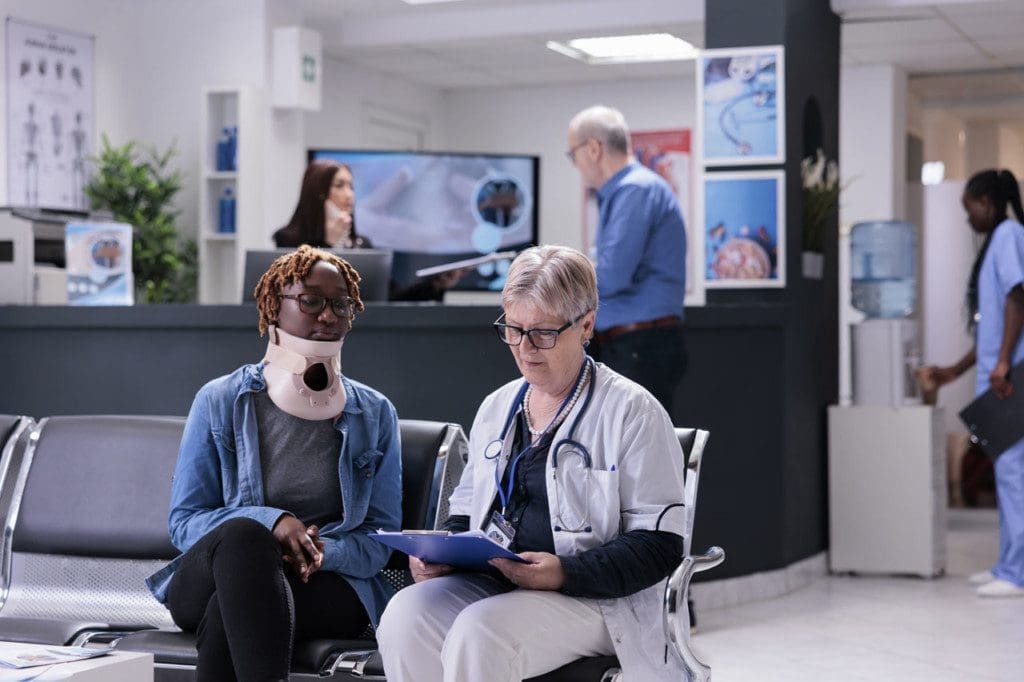
Motor vehicle accidents (MVAs) can lead to a wide range of injuries, from minor bruises to severe musculoskeletal damage, significantly impacting a person’s quality of life. These injuries often require specialized medical devices, known as Durable Medical Equipment (DME), to support recovery and rehabilitation. DME, such as wheelchairs, braces, and physical therapy tools, plays a critical role in helping individuals regain independence, manage pain, and restore function. This article explores the types of musculoskeletal injuries caused by MVAs, the importance of DME in recovery, and the expertise of professionals like Dr. Alexander Jimenez, who combines chiropractic care, integrative medicine, and legal documentation to optimize patient outcomes.
Musculoskeletal Injuries from Motor Vehicle Accidents
Motor vehicle accidents are a leading cause of musculoskeletal injuries, which affect bones, muscles, ligaments, tendons, and other connective tissues. These injuries vary in severity, ranging from mild sprains to life-altering spinal cord damage. Common injuries include:
- Whiplash: A neck injury caused by the sudden jerking of the head, often leading to muscle strains, ligament sprains, and chronic pain.
- Fractures: Broken bones, particularly in the arms, legs, or spine, resulting from the impact of a collision.
- Spinal Cord Injuries: Severe trauma to the spinal cord, which may cause partial or complete paralysis, requiring extensive rehabilitation (FHA Hermiston, n.d.).
- Soft Tissue Injuries: Damage to muscles, tendons, or ligaments, leading to pain, swelling, and reduced mobility.
- Joint Injuries: Dislocations or cartilage damage, particularly in the shoulders, knees, or hips, which can impair movement.
The impact of these injuries can disrupt daily activities, limit mobility, and cause long-term complications if not properly addressed. For example, untreated whiplash can lead to chronic neck pain, while spinal cord injuries may necessitate lifelong use of mobility aids like wheelchairs or walkers (FHA Hermiston, n.d.). The recovery process often requires a combination of medical treatment, physical therapy, and specialized equipment to restore function and independence.
References
FHA Hermiston. (n.d.). Spinal cord injury. Retrieved from https://fhahermiston.com/patient-education/healthwise/?DOCHWID=ug2941
The Role of Durable Medical Equipment in Recovery
Durable Medical Equipment (DME) refers to medical devices designed for repeated use to assist in the treatment, rehabilitation, or management of medical conditions. In the context of MVA recovery, DME is crucial for enhancing mobility, alleviating pain, and facilitating the healing process. Medical professionals prescribe these devices to meet the specific needs of each patient, ensuring a tailored approach to rehabilitation (Power Liens, 2024).
Types of DME for MVA Recovery
- Mobility Aids:
- Wheelchairs: Essential for individuals with spinal cord injuries or severe lower limb fractures, wheelchairs provide mobility and independence, enabling individuals to move around with ease. Four-wheel-drive wheelchairs are particularly useful for navigating uneven terrain (FHA Hermiston, n.d.).
- Walkers and Canes: These devices support patients with balance issues or leg injuries, helping them move safely while reducing the risk of falls (Crossbay Physical Therapy, n.d.).
- Crutches: Used for temporary support during recovery from leg or foot injuries, crutches allow patients to avoid putting weight on the injured area.
- Orthopedic Braces and Supports:
- Back Braces: These stabilize the spine, reduce pain, and promote proper alignment for patients with spinal injuries or chronic back pain (PhysioRoom, n.d.).
- Neck Braces: Commonly prescribed for whiplash, neck braces limit movement to prevent further injury during the healing process.
- Knee and Ankle Braces: These support injured joints, reduce swelling, and improve stability during rehabilitation.
- Physical Therapy Equipment:
- Exercise and Fitness Tools: Resistance bands, balance boards, and therapy balls help patients rebuild strength and coordination during physical therapy sessions (Rehab Store, n.d.).
- Pilates Reformers: These machines offer low-impact exercises to enhance core strength, flexibility, and spinal alignment, thereby reducing the risk of re-injury (Pilates Reformers Plus, n.d.).
- TENS Units: Transcutaneous electrical nerve stimulation devices deliver mild electrical currents to relieve pain and stimulate muscle recovery (OakMed LLC, n.d.).
- Home Health Products:
- Elevated Toilet Seats and Grab Bars: These assist patients with limited mobility in performing daily tasks safely (Crossbay Physical Therapy, n.d.).
- Ramps: Portable or permanent ramps enable wheelchair users to access their homes or vehicles more easily.
Importance of DME in Rehabilitation
DME is vital for several reasons:
- Restoring Independence: Mobility aids, such as wheelchairs and walkers, enable patients to move freely, reducing their reliance on caregivers and improving mental well-being (Power Liens, 2024).
- Pain Management: Devices like TENS units and braces alleviate pain, enabling patients to participate in therapy and daily activities more comfortably.
- Preventing Further Injury: Proper support from braces and mobility aids reduces strain on injured areas, preventing complications or re-injury (PhysioRoom, n.d.).
- Enhancing Quality of Life: By facilitating movement and function, DME helps patients return to work, hobbies, and social activities, fostering a sense of normalcy (Power Liens, 2024).
The selection of DME is typically guided by medical professionals who assess the patient’s condition, lifestyle, and recovery goals. For example, a patient with a spinal cord injury may require a custom-fitted wheelchair, while someone with a sprained ankle might benefit from a simple brace and crutches (Penn Spine and Ortho, n.d.). Proper fitting and training are crucial to ensure the equipment is used effectively and safely.
References
Crossbay Physical Therapy. (n.d.). Support home health products aid recovery pain injury treatment. Retrieved from https://www.crossbayphysicaltherapy.com/support-home-health-products-aid-recovery-pain-injury-treatment-howard-beach-new-york.html
OakMed LLC. (n.d.). Medical equipment in physical therapy. Retrieved from https://oakmedllc.com/medical-equipment-in-physical-therapy/
Penn Spine and Ortho. (n.d.). Assistive devices for spine injury patients. Retrieved from https://pennspineandortho.com/spine-and-injury/assistive-devices-for-spine-injury-patients/
PhysioRoom. (n.d.). Back supports & braces. Retrieved from https://www.physioroom.com/back-supports-braces
Pilates Reformers Plus. (n.d.). Key features of a reformer machine for Pilates. Retrieved from https://pilatesreformersplus.com/blogs/news/key-features-of-a-reformer-machine-for-pilates
Power Liens. (2024, June 11). The vital role of durable medical equipment (DME) in personal injury recovery. Retrieved from https://blog.powerliens.com/the-vital-role-of-durable-medical-equipment-dme-in-personal-injury-recovery/
Rehab Store. (n.d.). Exercise and fitness. Retrieved from https://www.rehab-store.com/c-exercise-and-fitness.html
FHA Hermiston. (n.d.). Spinal cord injury. Retrieved from https://fhahermiston.com/patient-education/healthwise/?DOCHWID=ug2941
Dr. Alexander Jimenez: Expertise in MVA Recovery
Dr. Alexander Jimenez, a chiropractor and nurse practitioner based in El Paso, Texas, specializes in treating patients who have been injured in motor vehicle accidents. His dual expertise in chiropractic care and integrative medicine, combined with his ability to navigate legal documentation, makes him a key figure in personal injury recovery. Dr. Jimenez’s approach focuses on addressing the root causes of injuries, using advanced diagnostics and holistic treatments to promote healing and improve overall health.
Dual-Scope Diagnosis and Treatment
Dr. Jimenez employs a dual-scope approach, integrating chiropractic techniques with medical assessments to provide comprehensive care. His process begins with a thorough evaluation, including:
- Diagnostic assessments, including physical exams, range-of-motion tests, and neurological evaluations, help identify the extent of musculoskeletal damage (Jimenez, n.d.).
- Advanced Imaging: X-rays, MRIs, and CT scans offer detailed insights into bone fractures, soft tissue injuries, and spinal misalignments, enabling the development of precise treatment plans (Jimenez, n.d.).
This dual approach enables Dr. Jimenez to create personalized rehabilitation plans that address both immediate symptoms and underlying issues. For instance, a patient with whiplash may receive spinal adjustments to correct misalignments, in conjunction with physical therapy to strengthen the supporting muscles (Jimenez, n.d.).
Chiropractic and Integrative Medicine
Chiropractic care focuses on restoring spinal alignment and improving nervous system function, which is often disrupted in MVAs. Dr. Jimenez employs techniques such as spinal adjustments, soft tissue therapy, and corrective exercises to alleviate pain and enhance mobility. Integrative medicine complements this by incorporating nutrition, lifestyle changes, and stress management to support overall health (Jimenez, n.d.).
For MVA patients, this approach is particularly effective because it:
- Addresses Root Causes: Chiropractic care corrects structural imbalances, such as misaligned vertebrae, that contribute to pain and dysfunction.
- Promotes Holistic Recovery: By combining medical interventions with lifestyle advice, Dr. Jimenez helps patients achieve long-term wellness.
- Reduces Reliance on Medication: Non-invasive treatments minimize the need for painkillers, reducing the risk of dependency (Jimenez, n.d.).
Handling Medical and Legal Aspects
Dr. Jimenez’s background as a nurse practitioner equips him to manage the medical and legal complexities of personal injury cases. He provides detailed documentation of injuries, treatments, and progress, which is critical for insurance claims and legal proceedings. His reports are thorough and align with medical standards, ensuring attorneys can effectively represent their clients (Power Liens, 2024). This dual expertise streamlines communication between healthcare providers, patients, and legal teams, improving case outcomes.
References
Jimenez, A. (n.d.). Clinical observations. Retrieved from https://dralexjimenez.com/
Power Liens. (2024, June 11). The vital role of durable medical equipment (DME) in personal injury recovery. Retrieved from https://blog.powerliens.com/the-vital-role-of-durable-medical-equipment-dme-in-personal-injury-recovery/
How DME Enhances Rehabilitation Outcomes
The proper selection and use of DME can significantly impact a patient’s rehabilitation process. Medical professionals, such as Dr. Jimenez, assess factors including injury severity, patient lifestyle, and long-term goals to recommend the most suitable equipment. For example:
- Custom-Fitted Devices: Wheelchairs and braces must be tailored to the patient’s body to ensure comfort and effectiveness. Regular adjustments are necessary to accommodate changes during recovery (Penn Spine and Ortho, n.d.).
- Training and Education: Patients require guidance on how to use DME correctly to prevent misuse, which can delay healing or cause further injury (OakMed LLC, n.d.).
- Integration with Therapy: DME works best when used in conjunction with physical therapy. For instance, using a Pilates reformer alongside guided exercises can accelerate recovery by improving strength and flexibility (Pilates Reformers Plus, n.d.).
By supporting physical recovery and enabling patients to perform daily tasks, DME fosters independence and boosts confidence. This psychological benefit is crucial, as many MVA survivors experience anxiety or depression due to their injuries (Power Liens, 2024). Access to DME through insurance or medical providers ensures patients can focus on healing without financial stress.
References
OakMed LLC. (n.d.). Medical equipment in physical therapy. Retrieved from https://oakmedllc.com/medical-equipment-in-physical-therapy/
Penn Spine and Ortho. (n.d.). Assistive devices for spine injury patients. Retrieved from https://pennspineandortho.com/spine-and-injury/assistive-devices-for-spine-injury-patients/
Pilates Reformers Plus. (n.d.). Key features of a reformer machine for Pilates. Retrieved from https://pilatesreformersplus.com/blogs/news/key-features-of-a-reformer-machine-for-pilates
Power Liens. (2024, June 11). The vital role of durable medical equipment (DME) in personal injury recovery. Retrieved from https://blog.powerliens.com/the-vital-role-of-durable-medical-equipment-dme-in-personal-injury-recovery/
Challenges and Considerations in Using DME
While DME is invaluable, its use comes with challenges:
- Cost and Accessibility: High-quality DME can be expensive, and not all patients have adequate insurance coverage (University of Oregon Health Center, n.d.).
- Proper Fitting: Ill-fitting devices can cause discomfort or exacerbate injuries, underscoring the importance of professional oversight (Penn Spine and Ortho, n.d.).
- Learning Curve: Patients may require time and training to use complex equipment, such as motorized wheelchairs or advanced therapy tools, effectively (FHA Hermiston, n.d.).
Medical professionals play a critical role in addressing these challenges by guiding patients through the selection process, securing insurance approvals, and providing ongoing support. Facilities like those run by Dr. Jimenez often coordinate with DME suppliers to ensure patients receive the right equipment at the right time (Jimenez, n.d.).
References
FHA Hermiston. (n.d.). Spinal cord injury. Retrieved from https://fhahermiston.com/patient-education/healthwise/?DOCHWID=ug2941
Jimenez, A. (n.d.). Clinical observations. Retrieved from https://dralexjimenez.com/
Penn Spine and Ortho. (n.d.). Assistive devices for spine injury patients. Retrieved from https://pennspineandortho.com/spine-and-injury/assistive-devices-for-spine-injury-patients/
University of Oregon Health Center. (n.d.). Durable medical equipment. Retrieved from https://health.uoregon.edu/durable-medical-equipment
Conclusion
Motor vehicle accidents can cause a range of musculoskeletal injuries, from minor strains to debilitating spinal cord damage. Durable Medical Equipment, including mobility aids, braces, and therapy tools, is essential for supporting recovery, restoring independence, and improving quality of life. Professionals like Dr. Alexander Jimenez enhance this process by combining advanced diagnostics, chiropractic care, and integrative medicine to address both the physical and legal aspects of recovery. By carefully selecting and using DME, patients can overcome the challenges of MVA injuries and regain their ability to live active, fulfilling lives.
References
Crossbay Physical Therapy. (n.d.). Support home health products aid recovery pain injury treatment. Retrieved from https://www.crossbayphysicaltherapy.com/support-home-health-products-aid-recovery-pain-injury-treatment-howard-beach-new-york.html
FHA Hermiston. (n.d.). Spinal cord injury. Retrieved from https://fhahermiston.com/patient-education/healthwise/?DOCHWID=ug2941
Jimenez, A. (n.d.). Clinical observations. Retrieved from https://dralexjimenez.com/
OakMed LLC. (n.d.). Medical equipment in physical therapy. Retrieved from https://oakmedllc.com/medical-equipment-in-physical-therapy/
Penn Spine and Ortho. (n.d.). Assistive devices for spine injury patients. Retrieved from https://pennspineandortho.com/spine-and-injury/assistive-devices-for-spine-injury-patients/
PhysioRoom. (n.d.). Back supports & braces. Retrieved from https://www.physioroom.com/back-supports-braces
Pilates Reformers Plus. (n.d.). Key features of a reformer machine for Pilates. Retrieved from https://pilatesreformersplus.com/blogs/news/key-features-of-a-reformer-machine-for-pilates
Power Liens. (2024, June 11). The vital role of durable medical equipment (DME) in personal injury recovery. Retrieved from https://blog.powerliens.com/the-vital-role-of-durable-medical-equipment-dme-in-personal-injury-recovery/
Rehab Store. (n.d.). Exercise and fitness. Retrieved from https://www.rehab-store.com/c-exercise-and-fitness.html
University of Oregon Health Center. (n.d.). Durable medical equipment. Retrieved from https://health.uoregon.edu/durable-medical-equipment
Professional Scope of Practice *
The information herein on "Dr. Jimenez and the Power of DME in Personal Injury Healing" is not intended to replace a one-on-one relationship with a qualified health care professional or licensed physician and is not medical advice. We encourage you to make healthcare decisions based on your research and partnership with a qualified healthcare professional.
Blog Information & Scope Discussions
Welcome to El Paso's Premier Wellness and Injury Care Clinic & Wellness Blog, where Dr. Alex Jimenez, DC, FNP-C, a Multi-State board-certified Family Practice Nurse Practitioner (FNP-BC) and Chiropractor (DC), presents insights on how our multidisciplinary team is dedicated to holistic healing and personalized care. Our practice aligns with evidence-based treatment protocols inspired by integrative medicine principles, similar to those found on this site and our family practice-based chiromed.com site, focusing on restoring health naturally for patients of all ages.
Our areas of multidisciplinary practice include Wellness & Nutrition, Chronic Pain, Personal Injury, Auto Accident Care, Work Injuries, Back Injury, Low Back Pain, Neck Pain, Migraine Headaches, Sports Injuries, Severe Sciatica, Scoliosis, Complex Herniated Discs, Fibromyalgia, Chronic Pain, Complex Injuries, Stress Management, Functional Medicine Treatments, and in-scope care protocols.
Our information scope is multidisciplinary, focusing on musculoskeletal and physical medicine, wellness, contributing etiological viscerosomatic disturbances within clinical presentations, associated somato-visceral reflex clinical dynamics, subluxation complexes, sensitive health issues, and functional medicine articles, topics, and discussions.
We provide and present clinical collaboration with specialists from various disciplines. Each specialist is governed by their professional scope of practice and their jurisdiction of licensure. We use functional health & wellness protocols to treat and support care for musculoskeletal injuries or disorders.
Our videos, posts, topics, and insights address clinical matters and issues that are directly or indirectly related to our clinical scope of practice.
Our office has made a reasonable effort to provide supportive citations and has identified relevant research studies that support our posts. We provide copies of supporting research studies upon request to regulatory boards and the public.
We understand that we cover matters that require an additional explanation of how they may assist in a particular care plan or treatment protocol; therefore, to discuss the subject matter above further, please feel free to ask Dr. Alex Jimenez, DC, APRN, FNP-BC, or contact us at 915-850-0900.
We are here to help you and your family.
Blessings
Dr. Alex Jimenez DC, MSACP, APRN, FNP-BC*, CCST, IFMCP, CFMP, ATN
email: [email protected]
Multidisciplinary Licensing & Board Certifications:
Licensed as a Doctor of Chiropractic (DC) in Texas & New Mexico*
Texas DC License #: TX5807, Verified: TX5807
New Mexico DC License #: NM-DC2182, Verified: NM-DC2182
Multi-State Advanced Practice Registered Nurse (APRN*) in Texas & Multi-States
Multi-state Compact APRN License by Endorsement (42 States)
Texas APRN License #: 1191402, Verified: 1191402 *
Florida APRN License #: 11043890, Verified: APRN11043890 *
Colorado License #: C-APN.0105610-C-NP, Verified: C-APN.0105610-C-NP
New York License #: N25929, Verified N25929
License Verification Link: Nursys License Verifier
* Prescriptive Authority Authorized
ANCC FNP-BC: Board Certified Nurse Practitioner*
Compact Status: Multi-State License: Authorized to Practice in 40 States*
Graduate with Honors: ICHS: MSN-FNP (Family Nurse Practitioner Program)
Degree Granted. Master's in Family Practice MSN Diploma (Cum Laude)
Dr. Alex Jimenez, DC, APRN, FNP-BC*, CFMP, IFMCP, ATN, CCST
My Digital Business Card
Licenses and Board Certifications:
DC: Doctor of Chiropractic
APRNP: Advanced Practice Registered Nurse
FNP-BC: Family Practice Specialization (Multi-State Board Certified)
RN: Registered Nurse (Multi-State Compact License)
CFMP: Certified Functional Medicine Provider
MSN-FNP: Master of Science in Family Practice Medicine
MSACP: Master of Science in Advanced Clinical Practice
IFMCP: Institute of Functional Medicine
CCST: Certified Chiropractic Spinal Trauma
ATN: Advanced Translational Neutrogenomics
Memberships & Associations:
TCA: Texas Chiropractic Association: Member ID: 104311
AANP: American Association of Nurse Practitioners: Member ID: 2198960
ANA: American Nurse Association: Member ID: 06458222 (District TX01)
TNA: Texas Nurse Association: Member ID: 06458222
NPI: 1205907805
| Primary Taxonomy | Selected Taxonomy | State | License Number |
|---|---|---|---|
| No | 111N00000X - Chiropractor | NM | DC2182 |
| Yes | 111N00000X - Chiropractor | TX | DC5807 |
| Yes | 363LF0000X - Nurse Practitioner - Family | TX | 1191402 |
| Yes | 363LF0000X - Nurse Practitioner - Family | FL | 11043890 |
| Yes | 363LF0000X - Nurse Practitioner - Family | CO | C-APN.0105610-C-NP |
| Yes | 363LF0000X - Nurse Practitioner - Family | NY | N25929 |
Dr. Alex Jimenez, DC, APRN, FNP-BC*, CFMP, IFMCP, ATN, CCST
My Digital Business Card