Table of Contents
Best Diet and Supplements for Brain Injury Recovery: A Complete Guide

Brain injuries, like concussions or more serious traumatic brain injuries (TBI), can change how a person thinks, moves, and feels. These injuries occur from falls, car accidents, or sports-related hits. Recovery takes time and involves many steps, but what you eat plays a big role. Good nutrition helps fix damaged brain cells, reduce swelling, and boost energy for healing. Doctors and experts say a diet full of protein, healthy fats, fruits, vegetables, and antioxidants is key. This is like following the Mediterranean diet or sometimes the ketogenic diet. Supplements such as omega-3 fatty acids, B vitamins, creatine, and magnesium can help too, but always talk to a doctor first. On the flip side, cut back on sugary, salty, and processed foods. Health pros like nurse practitioners can guide your care, while integrative chiropractic methods can fix body issues linked to the injury.
When the brain gets hurt, it goes through a lot. First, there’s the main damage from the hit. Then, secondary problems such as swelling, hypoxia, and cell death can make things worse. Food helps by giving the brain what it needs to fight these issues. For example, antioxidants stop harmful molecules called free radicals from causing more damage. Healthy fats build new brain cells, and proteins help repair tissues. Studies show that people who eat well after a brain injury often recover faster and have better thinking skills. But nutrition isn’t a cure-all—it’s part of a bigger plan with rest, therapy, and medical help.
Think of your brain like a busy factory. It uses 20% of your body’s energy even though it’s only 2% of your weight. After an injury, it needs even more fuel to heal. Poor eating can slow this down, leading to fatigue, mood changes, or slower progress. That’s why experts push for a balanced approach. In this article, we’ll cover the best foods, diets, supplements, what to avoid, and how pros like nurse practitioners and chiropractors fit in. We’ll use simple tips and lists to make it easy to follow.
The Power of a Brain-Friendly Diet
A good diet after brain injury focuses on whole foods that support healing. This means lots of protein to rebuild cells, healthy fats for brain structure, and colorful fruits and veggies for vitamins. The pattern often resembles the Mediterranean diet, which includes fish, nuts, olive oil, and plant foods. Or, for some, the ketogenic diet, which uses fats for energy instead of carbs. These help reduce inflammation and give steady energy.
Why does this matter? The brain is made mostly of fat, so omega-3s are crucial. Protein fixes damaged parts, and antioxidants protect against extra harm. Research from places like UCLA shows these diets improve memory and focus during recovery. Let’s break it down.
- Prioritize Protein: Protein is like building blocks for the body. After injury, the brain needs it to heal tissues and make new connections. Aim for sources that are lean and easy to digest.
- Eggs: Full of choline, which helps with memory and mood.
- Lean meats like chicken or turkey provide zinc, which can drop after injury.
- Fish: Salmon or tuna for protein plus omega-3s.
- Plant options: Beans, lentils, or chickpeas for those avoiding meat.
- Healthy Fats, Especially Omega-3s: The brain is 60% fat, so good fats are key. Omega-3s reduce swelling and help cells talk to each other.
- Fatty fish: Salmon, mackerel, sardines—eat twice a week.
- Nuts and seeds: Walnuts for brain shape (fun fact!) and flaxseeds for plant-based omega-3s.
- Avocados: Add to salads for oleic acid, which speeds up the transmission of brain signals.
- Olive oil: Use for cooking to boost brain growth factors.
- Fruits and Vegetables: These pack antioxidants and vitamins to fight damage. Go for variety in colors.
- Berries: Blueberries and strawberries improve thinking and reduce inflammation.
- Citrus: Oranges and lemons for vitamin C to repair cells.
- Leafy greens: Spinach and kale for vitamin K and B vitamins.
- Broccoli and bell peppers: High in nutrients to support recovery.
- Antioxidant-Rich Foods: These stop free radicals from hurting more brain cells.
- Dark chocolate (70% cocoa): Magnesium and flavonoids for a better mood.
- Turmeric: Curcumin fights swelling—add to soups.
- Green tea: Antioxidants plus caffeine for focus.
The Mediterranean diet is top-rated for brain health. It has lots of plants, fish, and healthy oils, with little red meat or sweets. Studies link it to less cognitive decline. For quicker energy shifts, try ketogenic: High fat, low carb, like eggs with avocado. It gives ketones as fuel when glucose is hard to use post-injury. But check with a doc first, as it can cause side effects like tiredness at the start.
Start small: Eat every 3-4 hours to keep energy steady. Half your plate veggies, a quarter protein, a quarter whole grains. Drink 2 liters of water daily to prevent dehydration, which can worsen symptoms. If taste changes after injury, add spices like ginger or garlic.
Supplements That Can Boost Recovery
Supplements fill gaps when food isn’t enough. But they’re not magic—talk to a medical pro to check for interactions or deficiencies via blood tests. Common ones for brain injury include omega-3 fatty acids, B vitamins, creatine, and magnesium. They help with energy, swelling, and cell repair.
- Omega-3 Fatty Acids: These are stars for brain health. They cut inflammation and improve memory.
- From fish oil: EPA and DHA types are best.
- Benefits: Lessen symptoms such as fog and aid neuronal repair.
- Dose: Often 1-2 grams daily, but doc-approved.
- B Vitamins: Group like B2, B3, B6, B12—key for energy and stress reduction.
- Riboflavin (B2): Speeds recovery in studies, cuts time by half.
- B12: Helps nerve repair and energy.
- Sources: Supplements if low; foods like eggs or greens.
- Creatine: Boosts brain energy, especially during “energy crisis” post-injury.
- Protects cells and may improve thinking.
- Good for athletes or those with fatigue.
- Magnesium: Calms nerves and fixes depletion after injury.
- Reduces headaches and anxiety.
- From supplements or foods like nuts.
Other helpful ones: Vitamin D for mood and bones; antioxidants like C and E; curcumin for anti-swelling. Probiotics support the gut-brain link. Research shows these mitigate secondary damage in animal studies and some human trials.
Get blood tests first—many are low in vitamin D or B12 after injury. Start with a low dose and monitor.
Foods to Limit for Better Healing
Not all foods help. Some make swelling worse or drain energy.
- Sugary Foods: Cause crashes and weight gain.
- Avoid: Candy, soda, and cakes.
- Salty Items: Raise blood pressure.
- Limit: Chips, processed meats.
- Processed Foods: Low nutrients, high unhealthy fats.
- Skip: Fast food, frozen meals.
These worsen fatigue and slow recovery. Choose whole foods instead.
How a Nurse Practitioner Can Help
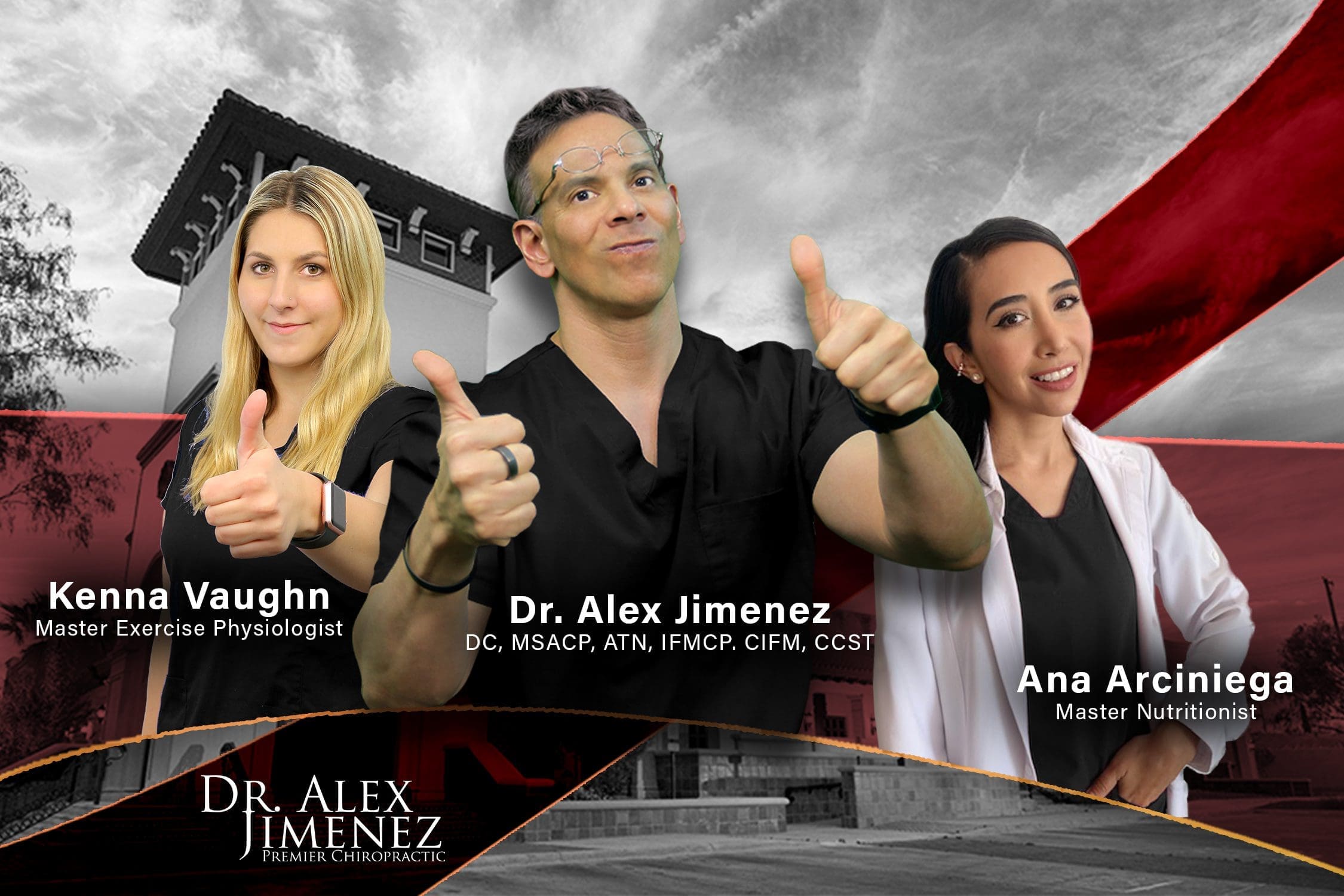
Nurse practitioners (NPs) manage overall care. They order lab tests to assess deficiencies, prescribe supplements or dietary changes, and coordinate with other pros. For brain injury, they check nutrition status and adjust plans. NPs like Dr. Alexander Jimenez, who is also an APRN, blend this with functional medicine to find root causes.
Integrative Chiropractic Care for Support
Chiropractic care fixes body alignment issues caused by injury, like neck pain that affects nerves. Techniques include spinal manipulation and decompression to improve nervous system function and reduce pain. Dr. Jimenez observes that this, combined with diet, helps memory and mobility. His clinic uses non-invasive methods for holistic recovery.
Wrapping Up
Eating right and using supplements can speed brain injury recovery. Focus on whole foods, get pro advice, and be patient. This approach supports long-term health.

References
Lone Star Neurology. (n.d.). Brain-boosting foods for concussion recovery.
De Neuro Rehab. (n.d.). Best supplements for concussion and traumatic brain injury recovery.
Gaylord Specialty Healthcare. (n.d.). Nutrition to support traumatic brain injury recovery.
Headway. (n.d.). Diet after brain injury: Healthy body, healthy mind?.
Rezilir Health. (n.d.). Turbocharge your brain and body with creatine.
Moreland, B., Kakara, R., & Henry, A. (2018). Supplements, nutrition, and alternative therapies for the treatment of traumatic brain injury. Nutritional Neuroscience.
Brzostek, A., et al. (2024). Mitigating traumatic brain injury: A narrative review of supplementation and dietary protocols. Nutrients.
UCLA Health. (n.d.). Nutrition may play a key role in supporting brain health for people recovering from a TBI.
Brain Injury Hope Foundation. (n.d.). Feed your brain to boost recovery.
Specialist Nutrition Rehab. (n.d.). Nutrition after brain injury. YouTube.
Flint Rehab. (n.d.). Nutrition therapy for traumatic brain injury.
Online Psychology Degrees. (n.d.). 5 unconventional treatments for traumatic brain injury.
Chiro-Med Rehab Centre. (n.d.). How to improve memory loss after concussion.
Flint Rehab. (n.d.). Vitamins for brain injury recovery.
Concussion Spot Education. (n.d.). Traumatic brain injury supplementation diet.
Flint Rehab. (n.d.). Best foods for brain injury recovery.
Penn Medicine. (n.d.). Nutrition for brain health. YouTube.
Penn Medicine. (n.d.). Nutrition for brain health. YouTube.
Cognitive FX. (n.d.). Amen clinic concussion TBI supplements.
Jimenez, A. (n.d.). Injury specialists.
Jimenez, A. (n.d.). Dr. Alexander Jimenez LinkedIn.
Professional Scope of Practice *
The information herein on "Diet and Supplements for Brain Injury Recovery Plan" is not intended to replace a one-on-one relationship with a qualified health care professional or licensed physician and is not medical advice. We encourage you to make healthcare decisions based on your research and partnership with a qualified healthcare professional.
Blog Information & Scope Discussions
Welcome to El Paso's Premier Wellness and Injury Care Clinic & Wellness Blog, where Dr. Alex Jimenez, DC, FNP-C, a Multi-State board-certified Family Practice Nurse Practitioner (FNP-BC) and Chiropractor (DC), presents insights on how our multidisciplinary team is dedicated to holistic healing and personalized care. Our practice aligns with evidence-based treatment protocols inspired by integrative medicine principles, similar to those found on this site and our family practice-based chiromed.com site, focusing on restoring health naturally for patients of all ages.
Our areas of multidisciplinary practice include Wellness & Nutrition, Chronic Pain, Personal Injury, Auto Accident Care, Work Injuries, Back Injury, Low Back Pain, Neck Pain, Migraine Headaches, Sports Injuries, Severe Sciatica, Scoliosis, Complex Herniated Discs, Fibromyalgia, Chronic Pain, Complex Injuries, Stress Management, Functional Medicine Treatments, and in-scope care protocols.
Our information scope is multidisciplinary, focusing on musculoskeletal and physical medicine, wellness, contributing etiological viscerosomatic disturbances within clinical presentations, associated somato-visceral reflex clinical dynamics, subluxation complexes, sensitive health issues, and functional medicine articles, topics, and discussions.
We provide and present clinical collaboration with specialists from various disciplines. Each specialist is governed by their professional scope of practice and their jurisdiction of licensure. We use functional health & wellness protocols to treat and support care for musculoskeletal injuries or disorders.
Our videos, posts, topics, and insights address clinical matters and issues that are directly or indirectly related to our clinical scope of practice.
Our office has made a reasonable effort to provide supportive citations and has identified relevant research studies that support our posts. We provide copies of supporting research studies upon request to regulatory boards and the public.
We understand that we cover matters that require an additional explanation of how they may assist in a particular care plan or treatment protocol; therefore, to discuss the subject matter above further, please feel free to ask Dr. Alex Jimenez, DC, APRN, FNP-BC, or contact us at 915-850-0900.
We are here to help you and your family.
Blessings
Dr. Alex Jimenez DC, MSACP, APRN, FNP-BC*, CCST, IFMCP, CFMP, ATN
email: [email protected]
Multidisciplinary Licensing & Board Certifications:
Licensed as a Doctor of Chiropractic (DC) in Texas & New Mexico*
Texas DC License #: TX5807, Verified: TX5807
New Mexico DC License #: NM-DC2182, Verified: NM-DC2182
Multi-State Advanced Practice Registered Nurse (APRN*) in Texas & Multi-States
Multi-state Compact APRN License by Endorsement (42 States)
Texas APRN License #: 1191402, Verified: 1191402 *
Florida APRN License #: 11043890, Verified: APRN11043890 *
Colorado License #: C-APN.0105610-C-NP, Verified: C-APN.0105610-C-NP
New York License #: N25929, Verified N25929
License Verification Link: Nursys License Verifier
* Prescriptive Authority Authorized
ANCC FNP-BC: Board Certified Nurse Practitioner*
Compact Status: Multi-State License: Authorized to Practice in 40 States*
Graduate with Honors: ICHS: MSN-FNP (Family Nurse Practitioner Program)
Degree Granted. Master's in Family Practice MSN Diploma (Cum Laude)
Dr. Alex Jimenez, DC, APRN, FNP-BC*, CFMP, IFMCP, ATN, CCST
My Digital Business Card
Licenses and Board Certifications:
DC: Doctor of Chiropractic
APRNP: Advanced Practice Registered Nurse
FNP-BC: Family Practice Specialization (Multi-State Board Certified)
RN: Registered Nurse (Multi-State Compact License)
CFMP: Certified Functional Medicine Provider
MSN-FNP: Master of Science in Family Practice Medicine
MSACP: Master of Science in Advanced Clinical Practice
IFMCP: Institute of Functional Medicine
CCST: Certified Chiropractic Spinal Trauma
ATN: Advanced Translational Neutrogenomics
Memberships & Associations:
TCA: Texas Chiropractic Association: Member ID: 104311
AANP: American Association of Nurse Practitioners: Member ID: 2198960
ANA: American Nurse Association: Member ID: 06458222 (District TX01)
TNA: Texas Nurse Association: Member ID: 06458222
NPI: 1205907805
| Primary Taxonomy | Selected Taxonomy | State | License Number |
|---|---|---|---|
| No | 111N00000X - Chiropractor | NM | DC2182 |
| Yes | 111N00000X - Chiropractor | TX | DC5807 |
| Yes | 363LF0000X - Nurse Practitioner - Family | TX | 1191402 |
| Yes | 363LF0000X - Nurse Practitioner - Family | FL | 11043890 |
| Yes | 363LF0000X - Nurse Practitioner - Family | CO | C-APN.0105610-C-NP |
| Yes | 363LF0000X - Nurse Practitioner - Family | NY | N25929 |
Dr. Alex Jimenez, DC, APRN, FNP-BC*, CFMP, IFMCP, ATN, CCST
My Digital Business Card