Explore how chiropractic care can alleviate your symptoms from carpal tunnel syndrome and improve your quality of life.
Table of Contents
Understanding Carpal Tunnel Syndrome and Chiropractic Care: A Path to Relief in El Paso, TX
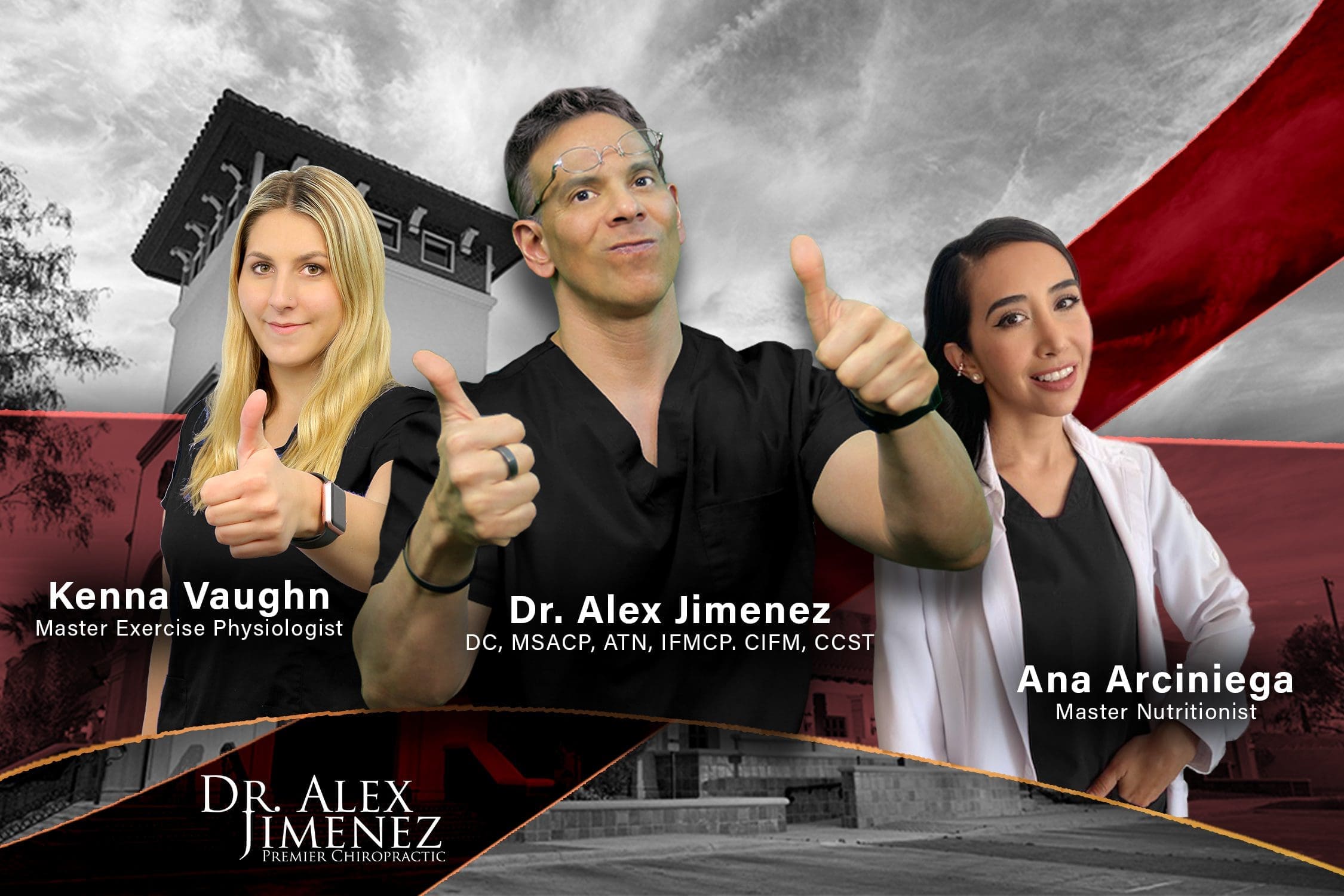
Imagine trying to type an email, hold a coffee mug, or even button your shirt, but your hands feel like they’ve decided to go on strike, tingling and aching like they’re auditioning for a sci-fi movie. If this sounds familiar, you might be dealing with carpal tunnel syndrome (CTS), a common condition that can turn simple tasks into a frustrating ordeal. In El Paso, TX, where desk jobs, manual labor, and active lifestyles collide, CTS is a frequent complaint. But there’s good news: chiropractic care, led by experts like Dr. Alexander Jimenez, DC, APRN, FNP-BC, offers a non-invasive, holistic solution to relieve symptoms and address the root causes of CTS, including its sneaky connections to the cervical spine.
This comprehensive guide will walk you through everything you need to know about CTS, from its causes and symptoms to how chiropractic care can tackle overlapping risk factors like poor posture, repetitive strain, and even injuries from accidents. We’ll sprinkle in some light humor to keep things engaging (because who doesn’t need a chuckle when their hands are acting up?), share practical tips for prevention, and highlight Dr. Jimenez’s unique role in treating personal injury cases in El Paso. By the end, you’ll have a clear roadmap to manage CTS and get back to living pain-free—without feeling like your hands are plotting against you.
What is Carpal Tunnel Syndrome? When Your Hands Say, “We’re Done!”
Carpal tunnel syndrome is like the ultimate betrayal by your wrists. It happens when the median nerve, which runs from your forearm through a narrow passageway in your wrist called the carpal tunnel, gets squeezed like a rush-hour commuter on a packed bus. This compression leads to symptoms like numbness, tingling, and pain in the hand, making everyday activities feel like a mission impossible.
Symptoms of Carpal Tunnel Syndrome
CTS symptoms can sneak up on you like a plot twist in a thriller novel. Here’s what to watch for:
- Numbness or tingling: Especially in the thumb, index, middle, or ring fingers, often worse at night—like your hand’s throwing a midnight rave without your permission.
- Pain or burning: May radiate from the wrist up to the arm or down to the fingers, like a cranky nerve sending angry texts.
- Weakness: Trouble gripping objects, leading to dropped pens, phones, or that precious breakfast taco.
- Sensation of swelling: Your hand might feel puffy, even if it looks normal (El Paso Chiropractor Blog, 2016a).
If you’ve ever woken up shaking out your hands like you’re trying to fling water off them, CTS might be the culprit. It’s as if your hands are saying, “We’re tired, and we’re not working overtime!”
Causes of Carpal Tunnel Syndrome
CTS develops when the median nerve is compressed within the carpal tunnel, often due to:
- Repetitive hand movements: Typing, assembly line work, or using vibrating tools (think jackhammers or video game controllers on marathon mode).
- Wrist injuries: Sprains or fractures can narrow the carpal tunnel, squishing the nerve.
- Medical conditions: Diabetes, rheumatoid arthritis, or thyroid disorders increase nerve compression risk.
- Pregnancy: Fluid retention can swell the carpal tunnel, pinching the nerve.
- Poor posture: Slouching or forward head posture can affect nerve pathways from the neck to the hand (El Paso Chiropractor Blog, 2016a).
Risk Factors for CTS
Certain factors make you more likely to develop CTS, like:
- Gender: Women are three times more likely to get CTS due to smaller carpal tunnels (Wipperman & Goerl, 2016).
- Age: Risk increases as tissues lose elasticity over time.
- Obesity: Extra weight can increase pressure in the carpal tunnel.
- Sedentary lifestyle: Lack of movement weakens supporting muscles, contributing to nerve irritation.
- Occupational hazards: Jobs requiring repetitive wrist motions, like typing or construction, are prime culprits.
- Diabetes: Nerve damage from high blood sugar can exacerbate CTS symptoms (Wipperman & Goerl, 2016).
These risk factors don’t just cause CTS in isolation—they often overlap with other musculoskeletal issues, like neck or shoulder pain, which we’ll explore next. Spoiler alert: your neck might be secretly pulling the strings behind your hand pain!
References:
- El Paso Chiropractor Blog. (2016a). Numbness & tingling on hands. Retrieved from https://www.elpasochiropractorblog.com/2016/05/numbness-tingling-on-hands.html
- Wipperman, J., & Goerl, K. (2016). Carpal tunnel syndrome: Diagnosis and management. American Family Physician, 94(12), 993–999. Retrieved from https://pubmed.ncbi.nlm.nih.gov/28075090/
The Cervical Spine Connection: Your Neck’s Sneaky Role in Hand Pain
You might be wondering, “What does my neck have to do with my hands acting like they’re auditioning for a zombie movie?” Well, your body is like a high-tech communication network, and the cervical spine (the neck) is a major hub. The nerves controlling your hands and arms originate in the cervical spine (C5-T1 vertebrae). When these nerves get irritated—due to misalignments, poor posture, or disc issues—it can mimic or worsen CTS symptoms, like numbness and tingling (El Paso Chiropractor Blog, 2016a).
How the Cervical Spine Affects the Hands
The median nerve, the star of CTS, doesn’t work alone. It’s influenced by nerve roots in the neck, which can be compressed by:
- Subluxations (misalignments): When vertebrae in the neck shift out of place, they can irritate nerve roots, sending symptoms down the arm.
- Herniated discs: A bulging disc in the cervical spine can pinch nerves, causing hand numbness or tingling.
- Poor posture: Forward head posture (common among desk workers or phone scrollers) compresses cervical nerves, contributing to CTS-like symptoms.
- Muscle tension: Tight neck or shoulder muscles can restrict nerve mobility, amplifying hand discomfort (El Paso Chiropractor Blog, 2016a).
This creates a double crush syndrome, where the median nerve is compressed both at the wrist (carpal tunnel) and the neck, making symptoms worse than if only one area were affected (Upton & McComas, 1973). It’s like getting stuck in traffic and running out of gas—double the frustration!
Overlapping Risk Profiles with Other Musculoskeletal Issues
CTS shares risk factors with other musculoskeletal conditions, like sciatica or neck pain, which chiropractic care can address holistically:
- Obesity: Extra weight stresses joints and nerves in both the wrists and spine.
- Sedentary lifestyle: Weak core and upper body muscles lead to poor posture, affecting nerve pathways.
- Diabetes: Increases nerve damage risk, impacting both upper and lower extremities.
- Repetitive strain: Typing or prolonged sitting can irritate nerves in the wrists and spine (Wipperman & Goerl, 2016; Sciatica.clinic, n.d.).
By targeting these shared risk factors, chiropractic care can reduce symptoms across multiple areas, like fixing a glitchy Wi-Fi router to restore your entire network.
References:
- El Paso Chiropractor Blog. (2016a). Numbness & tingling on hands. Retrieved from https://www.elpasochiropractorblog.com/2016/05/numbness-tingling-on-hands.html
- Sciatica.clinic. (n.d.). Sciatica pain treatment in El Paso, TX. Retrieved from https://sciatica.clinic/
- Upton, A. R., & McComas, A. J. (1973). The double crush in nerve entrapment syndromes. The Lancet, 2(7825), 359–362. Retrieved from https://pubmed.ncbi.nlm.nih.gov/11807347/
- Wipperman, J., & Goerl, K. (2016). Carpal tunnel syndrome: Diagnosis and management. American Family Physician, 94(12), 993–999. Retrieved from https://pubmed.ncbi.nlm.nih.gov/28075090/
Chiropractic Care: Your Hand’s New Best Friend
Chiropractic care is like a superhero swooping in to save your hands from the clutches of CTS. It focuses on restoring alignment, reducing nerve compression, and promoting natural healing without invasive procedures or medications. In El Paso, Dr. Alexander Jimenez combines advanced diagnostics with chiropractic expertise to tackle CTS and its underlying causes, offering relief that’s faster than you can say “no more tingling!” (El Paso Chiropractor Blog, 2016b).
How Chiropractic Helps Carpal Tunnel Syndrome
Chiropractors take a whole-body approach to CTS, addressing both the wrist and the cervical spine:
- Wrist adjustments: Gentle manipulations realign carpal bones, reducing pressure in the carpal tunnel.
- Cervical spine adjustments: Correct neck misalignments to relieve nerve root irritation, tackling the “double crush” issue.
- Soft tissue therapy: Techniques like myofascial release or massage relax tight forearm and neck muscles, improving nerve mobility.
- Ergonomic guidance: Advice on workstation setup, posture, and hand positioning to prevent symptom recurrence (El Paso Chiropractor Blog, 2016b).
These methods work together like a well-choreographed dance, easing nerve compression and restoring function. Think of it as giving your median nerve a spa day after weeks of stress.
Clinical Rationale for Reducing Overlapping Risk Profiles
Chiropractic care shines because it addresses the shared risk factors that fuel CTS and other musculoskeletal issues:
- Postural correction: Aligning the spine and shoulders reduces nerve irritation from the neck to the hands.
- Weight management: Chiropractors provide lifestyle advice to reduce obesity-related nerve stress.
- Mobility enhancement: Encourages movement to strengthen muscles and counteract sedentary habits.
- Inflammation reduction: Adjustments and therapies decrease inflammation, benefiting both CTS and related conditions (Fernandes et al., 2021).
Research backs this up. A 2021 systematic review found that manual therapies, including chiropractic adjustments, significantly reduce CTS symptoms like pain and numbness (Fernandes et al., 2021). Another study showed chiropractic care improved hand function in CTS patients, offering a non-surgical alternative (Vale et al., 2004). By tackling the root causes and risk factors, chiropractic care is like hitting the reset button on your body’s nerve system.
Benefits Beyond the Wrist
Chiropractic care doesn’t just stop at CTS relief—it improves overall musculoskeletal health:
- Enhanced mobility: Reduces stiffness in the neck, shoulders, and wrists.
- Pain reduction: Alleviates discomfort in multiple areas affected by poor posture or repetitive strain.
- Prevention: Strengthens the body to ward off future nerve issues (El Paso Chiropractor Blog, 2016b).
It’s like upgrading your body from a clunky old computer to a sleek, high-speed model—everything just works better!
References:
- El Paso Chiropractor Blog. (2016b). Chiropractic treatment for carpal. Retrieved from https://www.elpasochiropractorblog.com/2016/05/chiropractic-treatment-for-carpal.html
- Fernandes, M. R., Leite, M. C., & Araujo, F. F. (2021). Effectiveness of manual therapy for carpal tunnel syndrome: A systematic review. Journal of Manipulative and Physiological Therapeutics, 44(4), 305–315. Retrieved from https://pubmed.ncbi.nlm.nih.gov/34783004/
- Vale, J. C., et al. (2004). Chiropractic management of carpal tunnel syndrome: A case series. Journal of Manipulative and Physiological Therapeutics, 27(6), e9. Retrieved from https://pubmed.ncbi.nlm.nih.gov/12954952/
Dr. Alexander Jimenez: El Paso’s Go-To for Personal Injury Cases
In El Paso, where car accidents and workplace injuries are all too common, Dr. Alexander Jimenez stands out as a beacon of hope for personal injury victims suffering from CTS or related conditions. As a chiropractor and advanced practice registered nurse (APRN), Dr. Jimenez blends clinical expertise with a deep understanding of injury-related care, making him a trusted ally for patients navigating recovery and legal challenges (LinkedIn, n.d.).
Advanced Diagnostics and Dual-Scope Expertise
Dr. Jimenez uses state-of-the-art tools to pinpoint the causes of CTS and other injury-related symptoms:
- Advanced imaging: X-rays, MRIs, and CT scans reveal wrist injuries, spinal misalignments, or nerve compression.
- Diagnostic evaluations: Nerve conduction studies and electromyography confirm CTS or nerve damage, guiding treatment plans.
- Dual-scope procedures: Combines chiropractic assessments with medical evaluations for a comprehensive approach (Sciatica.clinic, n.d.).
These tools are like a detective’s magnifying glass, helping Dr. Jimenez uncover the exact source of your pain and tailor a treatment plan that’s as unique as your fingerprint.
Role in Personal Injury Cases
Personal injuries, like those from car accidents or repetitive strain at work, often trigger or worsen CTS. Dr. Jimenez excels at:
- Injury assessment: Identifies how trauma contributes to nerve compression, such as whiplash affecting the cervical spine.
- Comprehensive treatment: Uses adjustments, physical therapy, and lifestyle recommendations to promote healing.
- Legal liaison: Provides detailed medical reports to support insurance claims or lawsuits, ensuring victims get fair compensation (LinkedIn, n.d.).
Whether you’ve been sideswiped on Loop 375 or strained your wrists at a factory job, Dr. Jimenez’s expertise helps you heal while bridging the gap between medical care and legal documentation. It’s like having a chiropractor, nurse, and legal advocate all rolled into one!
References:
- LinkedIn. (n.d.). Dr. Alexander Jimenez. Retrieved from https://www.linkedin.com/in/dralexjimenez/
- Sciatica.clinic. (n.d.). Sciatica pain treatment in El Paso, TX. Retrieved from https://sciatica.clinic/
Discovering The Benefits of Chiropractic Care- Video

Practical Tips for Preventing and Managing CTS
You don’t need to be a rocket scientist to keep CTS at bay—just a few smart tweaks to your daily routine. Drawing from Dr. Jimenez’s clinical insights, here are evidence-based tips to prevent and manage CTS, with a dash of humor to keep you smiling (Sciatica.clinic, n.d.; El Paso Chiropractor Blog, 2016b):
Everyday Changes to Prevent CTS
- Take Frequent Breaks: If you’re typing or using tools, pause every 20–30 minutes to shake out your hands. Think of it as giving your wrists a quick coffee break.
- Optimize Your Workstation: Keep your keyboard at elbow height and use a wrist rest. Your hands deserve a throne, not a torture rack!
- Stretch Your Wrists: Gently flex and extend your wrists to boost blood flow. Pretend you’re waving to a crowd of adoring fans at a concert.
- Maintain Neutral Posture: Avoid slouching or craning your neck forward while working. Sit like you’re posing for a royal portrait, not auditioning for a hunchback role.
Lifestyle Adjustments for Long-Term Relief
- Manage Weight: Losing excess pounds reduces pressure on nerves and joints. A balanced diet and exercise are like a love letter to your body (Wipperman & Goerl, 2016).
- Stay Hydrated: Drinking water supports tissue health and reduces inflammation. Think of it as giving your nerves a refreshing spa treatment.
- Strengthen Supporting Muscles: Exercises like wrist curls or shoulder stretches build resilience. Bonus: You might impress your friends with your newfound grip strength!
- Monitor Chronic Conditions: Keep diabetes or arthritis under control with regular medical care to minimize nerve damage (Fernandes et al., 2021).
Ergonomic Hacks for Desk Warriors
- Use an ergonomic mouse and keyboard: Reduces strain on your wrists.
- Adjust chair height: Ensure your feet are flat on the ground and knees are at a 90-degree angle.
- Keep wrists neutral: Avoid bending them up or down while typing. Imagine your hands are floating gracefully over the keys, like a pianist in a fancy concert hall.
These small changes are like upgrading your car’s shocks—suddenly, the ride is smoother, and you’re not bouncing around in pain!
References:
- El Paso Chiropractor Blog. (2016b). Chiropractic treatment for carpal. Retrieved from https://www.elpasochiropractorblog.com/2016/05/chiropractic-treatment-for-carpal.html
- Fernandes, M. R., Leite, M. C., & Araujo, F. F. (2021). Effectiveness of manual therapy for carpal tunnel syndrome: A systematic review. Journal of Manipulative and Physiological Therapeutics, 44(4), 305–315. Retrieved from https://pubmed.ncbi.nlm.nih.gov/34783004/
- Sciatica.clinic. (n.d.). Sciatica pain treatment in El Paso, TX. Retrieved from https://sciatica.clinic/
- Wipperman, J., & Goerl, K. (2016). Carpal tunnel syndrome: Diagnosis and management. American Family Physician, 94(12), 993–999. Retrieved from https://pubmed.ncbi.nlm.nih.gov/28075090/
When to Seek Professional Help
While mild CTS symptoms might ease with rest and stretches, certain red flags mean it’s time to call in the experts:
- Severe pain or weakness: Sudden, intense pain or inability to grip objects.
- Persistent numbness: Complete loss of sensation in the fingers or hand.
- Symptoms lasting over a week: If home remedies don’t help, don’t wait it out.
- Post-injury symptoms: Pain or tingling after an accident, like a car crash or fall (Sciatica.clinic, n.d.).
In El Paso, Dr. Jimenez and his team at the Sciatica Pain and Treatment Clinic are ready to help. With advanced diagnostics and a patient-first approach, they’ll get to the root of your CTS faster than you can say “no more numbness!” Call (915) 412-6677 or visit https://sciatica.clinic/ to schedule a consultation.
References:
- Sciatica.clinic. (n.d.). Sciatica pain treatment in El Paso, TX. Retrieved from https://sciatica.clinic/
Advanced Insights: Chiropractic Care and CTS Research
For those curious about the science behind chiropractic care for CTS, recent studies provide compelling evidence:
- Manual therapy efficacy: A 2021 review found that manual therapies, including chiropractic adjustments, significantly reduced CTS symptoms, improving hand function and reducing pain (Fernandes et al., 2021).
- Non-surgical benefits: Chiropractic care offers a low-risk alternative to surgery, with studies showing improved outcomes for mild to moderate CTS (Vale et al., 2004).
- Cervical spine connection: Research confirms that cervical spine adjustments can alleviate CTS symptoms by addressing nerve root compression (Upton & McComas, 1973).
- Workplace interventions: Ergonomic adjustments and chiropractic care together reduce CTS risk in high-risk occupations (Bongers et al., 2022).
These findings highlight why chiropractic care is a game-changer for CTS, offering a holistic approach that tackles both symptoms and underlying causes.
References:
- Bongers, F. J., et al. (2022). Interventions for preventing carpal tunnel syndrome in the workplace. Cochrane Database of Systematic Reviews, 3(3). Retrieved from https://pubmed.ncbi.nlm.nih.gov/35286465/
- Fernandes, M. R., Leite, M. C., & Araujo, F. F. (2021). Effectiveness of manual therapy for carpal tunnel syndrome: A systematic review. Journal of Manipulative and Physiological Therapeutics, 44(4), 305–315. Retrieved from https://pubmed.ncbi.nlm.nih.gov/34783004/
- Upton, A. R., & McComas, A. J. (1973). The double crush in nerve entrapment syndromes. The Lancet, 2(7825), 359–362. Retrieved from https://pubmed.ncbi.nlm.nih.gov/11807347/
- Vale, J. C., et al. (2004). Chiropractic management of carpal tunnel syndrome: A case series. Journal of Manipulative and Physiological Therapeutics, 27(6), e9. Retrieved from https://pubmed.ncbi.nlm.nih.gov/12954952/
Patient Stories: Real Relief in El Paso
Patients at Dr. Jimenez’s clinic have shared glowing testimonials about their CTS relief:
- Gale’s Story: “My hands were so numb I couldn’t hold a pen. Dr. Jimenez’s adjustments and ergonomic tips changed everything. I’m back to writing without pain!”
- Vanessa’s Experience: “The massage therapy and wrist adjustments were a game-changer. I can finally sleep through the night without tingling!”
- Carlos’s Recovery: “After a car accident, my hands were weak. Dr. Jimenez’s care got me back to work, and his reports helped my legal case” (Sciatica.clinic, n.d.).
These stories show the real-world impact of chiropractic care, proving it’s not just about cracking bones—it’s about restoring lives.
References:
- Sciatica.clinic. (n.d.). Sciatica pain treatment in El Paso, TX. Retrieved from https://sciatica.clinic/
Conclusion: A Serious Note on Your Health
Carpal tunnel syndrome may have brought a bit of humor to this guide, but its impact on your daily life is no joke. Numbness, tingling, and pain can disrupt your work, hobbies, and sleep, and ignoring symptoms could lead to permanent nerve damage. Chiropractic care, led by experts like Dr. Alexander Jimenez in El Paso, TX, offers a safe, effective, and non-invasive way to address CTS and its overlapping risk factors, such as poor posture, obesity, and repetitive strain. By combining spinal adjustments, soft tissue therapy, and lifestyle changes, Dr. Jimenez helps patients regain their hand function and overall well-being, especially for those recovering from personal injuries.
Disclaimer: This blog post is for informational purposes only and does not replace professional medical advice, diagnosis, or treatment. Always consult a qualified healthcare provider, such as a chiropractor or physician, before starting any treatment for carpal tunnel syndrome or related conditions. If you’re experiencing severe symptoms or have been injured, contact Dr. Jimenez’s team at the Sciatica Pain and Treatment Clinic at (915) 412-6677 or visit https://sciatica.clinic/ for personalized care.
Take charge of your health today. With the right care, you can wave goodbye to CTS symptoms and hello to a pain-free, active life—no hand tantrums required!
Final References:
- Bongers, F. J., et al. (2022). Interventions for preventing carpal tunnel syndrome in the workplace. Cochrane Database of Systematic Reviews, 3(3). Retrieved from https://pubmed.ncbi.nlm.nih.gov/35286465/
- El Paso Chiropractor Blog. (2016a). Numbness & tingling on hands. Retrieved from https://www.elpasochiropractorblog.com/2016/05/numbness-tingling-on-hands.html
- El Paso Chiropractor Blog. (2016b). Chiropractic treatment for carpal. Retrieved from https://www.elpasochiropractorblog.com/2016/05/chiropractic-treatment-for-carpal.html
- Fernandes, M. R., Leite, M. C., & Araujo, F. F. (2021). Effectiveness of manual therapy for carpal tunnel syndrome: A systematic review. Journal of Manipulative and Physiological Therapeutics, 44(4), 305–315. Retrieved from https://pubmed.ncbi.nlm.nih.gov/34783004/
- LinkedIn. (n.d.). Dr. Alexander Jimenez. Retrieved from https://www.linkedin.com/in/dralexjimenez/
- Sciatica.clinic. (n.d.). Sciatica pain treatment in El Paso, TX. Retrieved from https://sciatica.clinic/
- Upton, A. R., & McComas, A. J. (1973). The double crush in nerve entrapment syndromes. The Lancet, 2(7825), 359–362. Retrieved from https://pubmed.ncbi.nlm.nih.gov/11807347/
- Vale, J. C., et al. (2004). Chiropractic management of carpal tunnel syndrome: A case series. Journal of Manipulative and Physiological Therapeutics, 27(6), e9. Retrieved from https://pubmed.ncbi.nlm.nih.gov/12954952/
- Wipperman, J., & Goerl, K. (2016). Carpal tunnel syndrome: Diagnosis and management. American Family Physician, 94(12), 993–999. Retrieved from https://pubmed.ncbi.nlm.nih.gov/28075090/
Professional Scope of Practice *
The information herein on "Chiropractic Care Recovery Tips for Carpal Tunnel Syndrome" is not intended to replace a one-on-one relationship with a qualified health care professional or licensed physician and is not medical advice. We encourage you to make healthcare decisions based on your research and partnership with a qualified healthcare professional.
Blog Information & Scope Discussions
Welcome to El Paso's Premier Wellness and Injury Care Clinic & Wellness Blog, where Dr. Alex Jimenez, DC, FNP-C, a Multi-State board-certified Family Practice Nurse Practitioner (FNP-BC) and Chiropractor (DC), presents insights on how our multidisciplinary team is dedicated to holistic healing and personalized care. Our practice aligns with evidence-based treatment protocols inspired by integrative medicine principles, similar to those found on this site and our family practice-based chiromed.com site, focusing on restoring health naturally for patients of all ages.
Our areas of multidisciplinary practice include Wellness & Nutrition, Chronic Pain, Personal Injury, Auto Accident Care, Work Injuries, Back Injury, Low Back Pain, Neck Pain, Migraine Headaches, Sports Injuries, Severe Sciatica, Scoliosis, Complex Herniated Discs, Fibromyalgia, Chronic Pain, Complex Injuries, Stress Management, Functional Medicine Treatments, and in-scope care protocols.
Our information scope is multidisciplinary, focusing on musculoskeletal and physical medicine, wellness, contributing etiological viscerosomatic disturbances within clinical presentations, associated somato-visceral reflex clinical dynamics, subluxation complexes, sensitive health issues, and functional medicine articles, topics, and discussions.
We provide and present clinical collaboration with specialists from various disciplines. Each specialist is governed by their professional scope of practice and their jurisdiction of licensure. We use functional health & wellness protocols to treat and support care for musculoskeletal injuries or disorders.
Our videos, posts, topics, and insights address clinical matters and issues that are directly or indirectly related to our clinical scope of practice.
Our office has made a reasonable effort to provide supportive citations and has identified relevant research studies that support our posts. We provide copies of supporting research studies upon request to regulatory boards and the public.
We understand that we cover matters that require an additional explanation of how they may assist in a particular care plan or treatment protocol; therefore, to discuss the subject matter above further, please feel free to ask Dr. Alex Jimenez, DC, APRN, FNP-BC, or contact us at 915-850-0900.
We are here to help you and your family.
Blessings
Dr. Alex Jimenez DC, MSACP, APRN, FNP-BC*, CCST, IFMCP, CFMP, ATN
email: [email protected]
Multidisciplinary Licensing & Board Certifications:
Licensed as a Doctor of Chiropractic (DC) in Texas & New Mexico*
Texas DC License #: TX5807, Verified: TX5807
New Mexico DC License #: NM-DC2182, Verified: NM-DC2182
Multi-State Advanced Practice Registered Nurse (APRN*) in Texas & Multi-States
Multi-state Compact APRN License by Endorsement (42 States)
Texas APRN License #: 1191402, Verified: 1191402 *
Florida APRN License #: 11043890, Verified: APRN11043890 *
Colorado License #: C-APN.0105610-C-NP, Verified: C-APN.0105610-C-NP
New York License #: N25929, Verified N25929
License Verification Link: Nursys License Verifier
* Prescriptive Authority Authorized
ANCC FNP-BC: Board Certified Nurse Practitioner*
Compact Status: Multi-State License: Authorized to Practice in 40 States*
Graduate with Honors: ICHS: MSN-FNP (Family Nurse Practitioner Program)
Degree Granted. Master's in Family Practice MSN Diploma (Cum Laude)
Dr. Alex Jimenez, DC, APRN, FNP-BC*, CFMP, IFMCP, ATN, CCST
(Board Certified: Family Practice Nurse Practitioner—Multistate)*
(Licensed Nurse Practitioner & Chiropractor - Multistate)*
Clinical Director
Digital Business Card
Dr. Maria Cardenas, MD
(Board Certified: Internal Medicine)
(Licensed Medical Doctor)
Medical Director, Clinical Director & Collaborative Physician
NPI # 1164426748
MD License #: J2933
Licenses and Board Certifications:
MD: Medical Doctor
DC: Doctor of Chiropractic
APRNP: Advanced Practice Registered Nurse
FNP-BC: Family Practice Specialization (Multi-State Board Certified)
RN: Registered Nurse (Multi-State Compact License)
CFMP: Certified Functional Medicine Provider
MSN-FNP: Master of Science in Family Practice Medicine
MSACP: Master of Science in Advanced Clinical Practice
IFMCP: Institute of Functional Medicine
CCST: Certified Chiropractic Spinal Trauma
ATN: Advanced Translational Neutrogenomics
Memberships & Associations:
TCA: Texas Chiropractic Association: Member ID: 104311
AANP: American Association of Nurse Practitioners: Member ID: 2198960
ANA: American Nurse Association: Member ID: 06458222 (District TX01)
TNA: Texas Nurse Association: Member ID: 06458222
NPI: 1205907805
| Primary Taxonomy | Selected Taxonomy | State | License Number |
|---|---|---|---|
| No | 111N00000X - Chiropractor | NM | DC2182 |
| Yes | 111N00000X - Chiropractor | TX | DC5807 |
| Yes | 363LF0000X - Nurse Practitioner - Family | TX | 1191402 |
| Yes | 363LF0000X - Nurse Practitioner - Family | FL | 11043890 |
| Yes | 363LF0000X - Nurse Practitioner - Family | CO | C-APN.0105610-C-NP |
| Yes | 363LF0000X - Nurse Practitioner - Family | NY | N25929 |
Dr. Alex Jimenez, DC, APRN, FNP-BC*, CFMP, IFMCP, ATN, CCST
(Board Certified: Family Practice Nurse Practitioner—Multistate)*
(Licensed Nurse Practitioner & Chiropractor - Multistate)*
Clinical Director
Digital Business Card
Dr. Maria Cardenas, MD
(Board Certified: Internal Medicine)*
(Licensed Medical Doctor)*
Medical Director, Clinical Director & Collaborative Physician
NPI # 1164426748
MD License #: J2933