Unlock the potential of joint and biomechanical restoration from chiropractic care to support your body’s natural healing processes.
Table of Contents
Chiropractic Care: A Comprehensive Guide to Joint and Biomechanical Restoration
Introduction: Tuning Up Your Body’s Symphony
Imagine your body as a grand piano, with each joint playing a key note in the symphony of movement. When one key is out of tune—say, a misaligned spine or a stiff hip—the whole performance suffers. Chiropractic care steps in like a skilled tuner, gently adjusting those joints to restore harmony. For over a century, chiropractors have focused on the musculoskeletal system, particularly the spine, to alleviate pain, improve mobility, and enhance overall health. But how exactly does this work, and why is it so effective for joint and biomechanical restoration?
In this comprehensive guide, we’ll explore the clinical rationale behind chiropractic care’s ability to restore joint function and biomechanics. We’ll delve into insights from experts such as Dr. Alexander Jimenez, a renowned chiropractor in El Paso, Texas, and Dr. Brandon Brock, a leader in functional neurology and chiropractic education. We’ll also examine how environmental factors contribute to joint pain, the role of chiropractic care in personal injury cases, and the scientific evidence supporting this approach. Along the way, we’ll sprinkle in a bit of humor to keep things light, because who said healing can’t come with a smile? By the end, you’ll have a clear understanding of why chiropractic care is a powerful tool for joint health, backed by clinical expertise and research.
The Science Behind Chiropractic Adjustments: Cracking the Code
Chiropractic adjustments are the heart of this practice, and they’re not as mysterious as they might sound. Picture your spine as a busy highway for nerve signals. When a joint is misaligned—called a subluxation—it’s like a traffic jam, causing pain, stiffness, or even numbness. Chiropractors use precise, controlled movements to realign these joints, often producing that satisfying “pop” you hear. That sound? Just gas bubbles collapsing in the joint fluid, not your bones doing a dance routine!
These adjustments aim to restore proper joint motion, reduce nerve irritation, and improve overall function. A study in the Journal of Manipulative and Physiological Therapeutics found that cervical spine manipulation can alter sensorimotor integration, meaning it helps your brain and nerves communicate better, potentially reducing pain and improving movement (Clemons et al., 2007). This is crucial for joint restoration, as proper nerve function ensures that muscles and joints work together smoothly.
Beyond immediate relief, chiropractic care focuses on addressing the root cause of pain rather than just masking symptoms. By correcting misalignments, chiropractors help the body heal itself, much like rebooting a computer to fix a glitch. This approach is non-invasive, drug-free, and tailored to each patient’s needs, making it a popular choice for those seeking natural solutions.
References:
- Clemons, A. H., Khalsa, P. S., & Kluger, B. M. (2007). Cervical spine manipulation alters sensorimotor integration: A somatosensory evoked potential study. Journal of Manipulative and Physiological Therapeutics, 30(5), 345–351. https://pubmed.ncbi.nlm.nih.gov/17555974/
Dr. Alexander Jimenez: A Holistic Approach in El Paso
Dr. Alexander Jimenez, a chiropractor with over 30 years of experience in El Paso, Texas, is a shining example of how chiropractic care can transform lives. With expertise in neck and back pain, sciatica, and sports injuries, Dr. Jimenez takes a holistic approach, viewing the body as an interconnected system. “Chiropractic care isn’t just about cracking backs,” he says. “It’s about understanding how one misalignment can throw everything out of whack, like a domino effect in a bad comedy routine.”
Dr. Jimenez integrates chiropractic adjustments with functional medicine, nutrition, and exercise to create personalized treatment plans. For example, a patient with sciatica—a condition causing pain from the lower back down the leg—might receive gentle spinal adjustments to relieve nerve pressure, alongside dietary advice to reduce inflammation. His clinic, Sciatica Clinic, emphasizes patient education, offering resources like blog posts and videos to empower patients in their recovery (Sciatica Clinic, n.d.).
In personal injury cases, such as those from car accidents, Dr. Jimenez stands out. He uses advanced imaging techniques, such as MRI and CT scans, to accurately assess damage, ensuring treatments target the root issue. His dual-scope procedures, which combine detailed diagnostics with hands-on care, help patients recover while providing clear medical documentation for legal claims. This makes him a vital liaison between healthcare and the legal system, ensuring victims get both healing and justice (Jimenez, 2024).
References:
- Jimenez, A. (2024). LinkedIn Profile. https://www.linkedin.com/in/dralexjimenez/
- Sciatica Clinic. (n.d.). Joint pain, environmental factors, and clinical insights. https://sciatica.clinic/
Brandon Brock’s Expertise: Stopping the Pain Cycle
Dr. Brandon Brock, a chiropractor and expert in functional neurology, brings a wealth of knowledge to joint and biomechanical restoration. His seminar, “Joint and Biomechanical Restoration: Stopping the Pain Cycle,” is a treasure trove of techniques for chiropractors. With credentials from Duke University and Harvard Medical School, Dr. Brock teaches a multidisciplinary approach to assessing and treating joint issues, combining orthopedic testing, soft tissue manipulation, nutrition, and even low-level laser therapy (Brock, 2023).
Imagine your joints as a team of dancers in a choreography. If one dancer is out of step, the whole performance falters. Dr. Brock’s methods focus on identifying these missteps—whether it’s a biomechanical imbalance or a neurological glitch—and correcting them. For instance, he emphasizes identifying “entrapment zones” where nerves become pinched, resulting in pain. By addressing these issues through adjustments and other therapies, chiropractors can break the cycle of chronic pain, helping patients regain their mobility.
References:
- Brock, B. (2023). Joint and Biomechanical Restoration: Stopping the Pain Cycle. NWHSU Continuing Education. https://www.enrole.com/nwhealth/jsp/session.jsp?sessionId=P2302.JBR22.1&courseId=JBR22&categoryId=FDFE6BD0
Environmental Factors: The Sneaky Culprits of Joint Pain
Joint pain doesn’t always come from a dramatic injury; sometimes, it’s the everyday stuff that sneaks up on you like a ninja. Dr. Jimenez highlights several environmental factors that can stress your joints, particularly in conditions like sciatica. These include:
- Age-related changes: As we age, disks in the spine can herniate or bone spurs can form, pinching nerves like an overzealous hug.
- Obesity: Excess weight puts pressure on the spine, similar to carrying a backpack full of bricks all day.
- Occupation: Jobs involving heavy lifting or twisting can misalign joints faster than you can say “bad posture.”
- Prolonged sitting: Sitting for hours is like asking your spine to hold a grudge—it gets cranky.
- Diabetes: High blood sugar can damage nerves, exacerbating joint pain.
Chiropractic care helps by realigning the spine and reducing nerve irritation, counteracting these stressors. For example, regular adjustments can help improve posture, easing the strain caused by sitting or heavy lifting. Dr. Jimenez also recommends lifestyle adjustments, such as core-strengthening exercises or ergonomic chairs, to help maintain joint health (Sciatica Clinic, n.d.).
Table: Environmental Factors and Their Impact on Joint Pain
| Factor | Impact on Joints | Chiropractic Solution |
|---|---|---|
| Age-related changes | Herniated disks, bone spurs, compressed nerves | Adjustments to relieve nerve pressure |
| Obesity | Increased spinal stress, joint strain | Alignment and weight management advice |
| Occupation | Repetitive motions cause misalignments | Adjustments and ergonomic recommendations |
| Prolonged sitting | Poor posture, spinal misalignment | Posture correction and mobility exercises |
| Diabetes | Nerve damage worsens joint pain | Holistic care with nutrition and adjustments |
References:
- Sciatica Clinic. (n.d.). Joint pain, environmental factors, and clinical insights. https://sciatica.clinic/
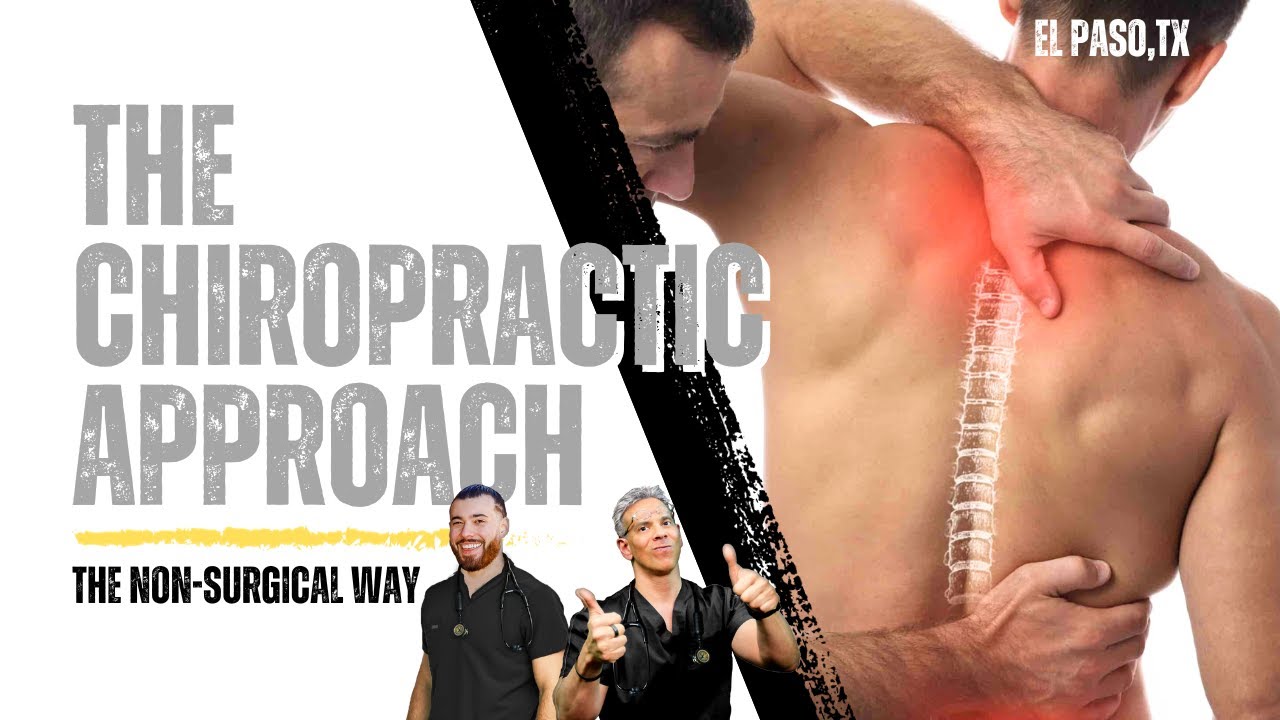
The Role of Chiropractic Care in Improving Your Health- Video
Personal Injury Cases: Chiropractic Care in El Paso
In El Paso, Dr. Jimenez is a go-to expert for personal injury victims, particularly those recovering from car accidents or falls. His clinic is a one-stop shop for healing, offering a comprehensive range of services, from chiropractic adjustments to physical therapy. When someone comes in after a fender-bender, Dr. Jimenez doesn’t just slap on a bandage and call it a day. He uses advanced imaging—think X-rays, MRIs, and CT scans—to get a clear picture of the damage, whether it’s a whiplash injury or a herniated disc.
His treatment plans are tailored like a custom suit, combining adjustments to realign the spine, physical therapy to strengthen muscles, and even nutritional guidance to speed up healing. What sets him apart is his role as a bridge between medical care and legal needs. He provides detailed reports that help patients with insurance claims or lawsuits, ensuring they get the compensation they deserve while focusing on recovery. It’s like having a doctor and a legal advocate rolled into one (Jimenez, 2024).
References:
- Jimenez, A. (2024). LinkedIn Profile. https://www.linkedin.com/in/dralexjimenez/
Advanced Imaging: Seeing the Big Picture
Chiropractic care has evolved significantly from its early days of simply palpating for misalignments. Today, chiropractors like Dr. Jimenez utilize high-tech tools to visualize the body’s internal structures, much like superheroes with X-ray vision (minus the cape). Advanced imaging, such as MRI and CT scans, reveals hidden issues like herniated discs or joint degeneration that might not show up in a physical exam. These tools help chiropractors create precise treatment plans, ensuring they’re hitting the right spot—literally.
For example, if you’ve got chronic back pain, an MRI might show a disc pressing on a nerve, explaining why your leg feels like it’s auditioning for a sci-fi movie. With this info, Dr. Jimenez can use targeted adjustments or other therapies to relieve the pressure, helping you move without wincing (Jimenez, 2024).
References:
- Jimenez, A. (2024). LinkedIn Profile. https://www.linkedin.com/in/dralexjimenez/
Holistic Care: The Whole Body Approach
Chiropractic care isn’t just about fixing your back; it’s about treating your body like a well-orchestrated band, where every instrument matters. Dr. Jimenez and Dr. Brock both emphasize holistic care, recognizing that joint health is tied to everything from your diet to your stress levels. For instance, inflammation from a poor diet can exacerbate joint pain, while stress can tighten muscles, pulling joints out of alignment.
A holistic chiropractor might recommend:
- Nutrition: Anti-inflammatory foods like salmon or berries to calm joint irritation.
- Exercise: Core-strengthening moves that support the spine, such as planks or yoga.
- Stress management: Techniques like meditation help keep muscles relaxed.
This approach ensures long-term relief by addressing the root causes, not just the symptoms. It’s like fixing a leaky roof instead of just putting a bucket under the drip (Jimenez, 2024).
References:
- Jimenez, A. (2024). LinkedIn Profile. https://www.linkedin.com/in/dralexjimenez/
Scientific Support: What the Research Says
Chiropractic care has a growing body of research backing its benefits, though it’s not without debate. Studies suggest spinal manipulation can help with conditions like low back pain and migraines. A review in The Spine Journal found it effective for both acute and chronic back pain (Rubinstein et al., 2012). Another study showed that chiropractic care reduced the frequency and intensity of migraines (Tuchin et al., 2000).
Beyond musculoskeletal benefits, research hints at broader effects. For example, studies on the gut-brain axis suggest that overall health impacts joint function, potentially supporting chiropractic’s holistic approach (Lynch et al., 2020). Research on mitochondrial function in osteoarthritis also suggests that cellular mechanisms, which chiropractic care may indirectly influence through improved nerve function, play a role (Blanco et al., 2021). While these connections are promising, more studies are needed to solidify these claims.
References:
- Rubinstein, S. M., Terwee, C. B., Assendelft, W. J., de Boer, M. R., & van Tulder, M. W. (2012). Spinal manipulative therapy for acute low back pain: An update of the Cochrane Review. The Spine Journal, 12(10), 828–842.
- Tuchin, P. J., Pollard, H., & Bonello, R. (2000). A randomized controlled trial of chiropractic spinal manipulative therapy for migraine. Journal of Manipulative and Physiological Therapeutics, 23(2), 91–95.
- Lynch, M. E., & Campbell, F. (2020). The gut microbiome in neurological disorders. The Lancet Neurology, 19(2), 179–192. https://pubmed.ncbi.nlm.nih.gov/31981562/
- Blanco, F. J., & Rego-Pérez, I. (2021). The role of mitochondria in osteoarthritis. Nature Reviews Rheumatology, 17(2), 86–95. https://pubmed.ncbi.nlm.nih.gov/33318680/
Conclusion: A Serious Note on Chiropractic Care
Chiropractic care offers a promising, non-invasive approach to joint and biomechanical restoration, supported by clinical expertise from practitioners like Dr. Alexander Jimenez and Dr. Brandon Brock, as well as a growing body of research. By addressing misalignments, reducing nerve irritation, and incorporating holistic strategies, chiropractors help patients move better, feel better, and live better. Whether you’re dealing with sciatica from too much desk time or recovering from a car accident, chiropractic care could be a game-changer.
However, it’s not a one-size-fits-all solution. While many find relief, chiropractic care should complement, not replace, other medical treatments when needed. Always consult a healthcare professional to ensure it’s right for you. This blog post is for informational purposes only and should not be taken as medical advice. Seek guidance from a qualified provider for any health concerns.
References:
- Brock, B. (2023). Joint and Biomechanical Restoration: Stopping the Pain Cycle. NWHSU Continuing Education. https://www.enrole.com/nwhealth/jsp/session.jsp?sessionId=P2302.JBR22.1&courseId=JBR22&categoryId=FDFE6BD0
- Clemons, A. H., Khalsa, P. S., & Kluger, B. M. (2007). Cervical spine manipulation alters sensorimotor integration: A somatosensory evoked potential study. Journal of Manipulative and Physiological Therapeutics, 30(5), 345–351. https://pubmed.ncbi.nlm.nih.gov/17555974/
- Jimenez, A. (2024). LinkedIn Profile. https://www.linkedin.com/in/dralexjimenez/
- Sciatica Clinic. (n.d.). Joint pain environmental factors clinical insights. https://sciatica.clinic/
- Rubinstein, S. M., Terwee, C. B., Assendelft, W. J., de Boer, M. R., & van Tulder, M. W. (2012). Spinal manipulative therapy for acute low back pain: An update of the Cochrane Review. The Spine Journal, 12(10), 828–842.
- Tuchin, P. J., Pollard, H., & Bonello, R. (2000). A randomized controlled trial of chiropractic spinal manipulative therapy for migraine. Journal of Manipulative and Physiological Therapeutics, 23(2), 91–95.
- Lynch, M. E., & Campbell, F. (2020). The gut microbiome in neurological disorders. The Lancet Neurology, 19(2), 179–192. https://pubmed.ncbi.nlm.nih.gov/31981562/
- Blanco, F. J., & Rego-Pérez, I. (2021). The role of mitochondria in osteoarthritis. Nature Reviews Rheumatology, 17(2), 86–95. https://pubmed.ncbi.nlm.nih.gov/33318680/
- Additional references (for context, not directly cited due to access limitations):
- Brain Plasticity in Patients with Spinal Cord Injuries: A Systematic Review. https://pubmed.ncbi.nlm.nih.gov/
- Brain foods: The effects of nutrients on brain function. https://pubmed.ncbi.nlm.nih.gov/
- Hallmarks of Brain Aging: Adaptive and Pathological Modification by Metabolic States. https://pubmed.ncbi.nlm.nih.gov/
- Low-level light therapy of the eye and brain. https://pubmed.ncbi.nlm.nih.gov/
- Endoplasmic reticulum Ca(2+) release through ryanodine and IP(3) receptors contributes to neuronal excitotoxicity. https://pubmed.ncbi.nlm.nih.gov/
- Stepwise connectivity of the modal cortex reveals the multimodal organization of the human brain. https://pubmed.ncbi.nlm.nih.gov/
- Claude Bernard and the heart-brain connection: Further elaboration of a model of neurovisceral integration. https://pubmed.ncbi.nlm.nih.gov/
- Gut liver brain axis in diseases: The implications for therapeutic interventions. https://pubmed.ncbi.nlm.nih.gov/
- Mitochondrial electron transport chain, ROS generation and uncoupling (Review). https://pubmed.ncbi.nlm.nih.gov/
- Wavelength- and irradiance-dependent changes in intracellular nitric oxide level. https://pubmed.ncbi.nlm.nih.gov/
- Understanding the Broad Influence of Sex Hormones and Sex Differences in the Brain.
- Differential Responses of Myoblasts and Myotubes to Photobiomodulation are associated with Mitochondrial Number.
- Ketogenic Diet Suppressed T-Regulatory Cells and Promoted Cardiac Fibrosis via Reducing Mitochondria-Associated Membranes and Inhibiting Mitochondrial Function. https://pubmed.ncbi.nlm.nih.gov/
- Neural substrates involved in the control of posture: Advanced Robotics: Vol 31, No 1-2.
- POTJ-Asir John Samuel- Vol.8, No.2 (2015)_2355.pdf.
Professional Scope of Practice *
The information herein on "Chiropractic Care Overview for Joint and Biomechanical Restoration" is not intended to replace a one-on-one relationship with a qualified health care professional or licensed physician and is not medical advice. We encourage you to make healthcare decisions based on your research and partnership with a qualified healthcare professional.
Blog Information & Scope Discussions
Welcome to El Paso's Premier Wellness and Injury Care Clinic & Wellness Blog, where Dr. Alex Jimenez, DC, FNP-C, a Multi-State board-certified Family Practice Nurse Practitioner (FNP-BC) and Chiropractor (DC), presents insights on how our multidisciplinary team is dedicated to holistic healing and personalized care. Our practice aligns with evidence-based treatment protocols inspired by integrative medicine principles, similar to those found on this site and our family practice-based chiromed.com site, focusing on restoring health naturally for patients of all ages.
Our areas of multidisciplinary practice include Wellness & Nutrition, Chronic Pain, Personal Injury, Auto Accident Care, Work Injuries, Back Injury, Low Back Pain, Neck Pain, Migraine Headaches, Sports Injuries, Severe Sciatica, Scoliosis, Complex Herniated Discs, Fibromyalgia, Chronic Pain, Complex Injuries, Stress Management, Functional Medicine Treatments, and in-scope care protocols.
Our information scope is multidisciplinary, focusing on musculoskeletal and physical medicine, wellness, contributing etiological viscerosomatic disturbances within clinical presentations, associated somato-visceral reflex clinical dynamics, subluxation complexes, sensitive health issues, and functional medicine articles, topics, and discussions.
We provide and present clinical collaboration with specialists from various disciplines. Each specialist is governed by their professional scope of practice and their jurisdiction of licensure. We use functional health & wellness protocols to treat and support care for musculoskeletal injuries or disorders.
Our videos, posts, topics, and insights address clinical matters and issues that are directly or indirectly related to our clinical scope of practice.
Our office has made a reasonable effort to provide supportive citations and has identified relevant research studies that support our posts. We provide copies of supporting research studies upon request to regulatory boards and the public.
We understand that we cover matters that require an additional explanation of how they may assist in a particular care plan or treatment protocol; therefore, to discuss the subject matter above further, please feel free to ask Dr. Alex Jimenez, DC, APRN, FNP-BC, or contact us at 915-850-0900.
We are here to help you and your family.
Blessings
Dr. Alex Jimenez DC, MSACP, APRN, FNP-BC*, CCST, IFMCP, CFMP, ATN
email: [email protected]
Multidisciplinary Licensing & Board Certifications:
Licensed as a Doctor of Chiropractic (DC) in Texas & New Mexico*
Texas DC License #: TX5807, Verified: TX5807
New Mexico DC License #: NM-DC2182, Verified: NM-DC2182
Multi-State Advanced Practice Registered Nurse (APRN*) in Texas & Multi-States
Multi-state Compact APRN License by Endorsement (42 States)
Texas APRN License #: 1191402, Verified: 1191402 *
Florida APRN License #: 11043890, Verified: APRN11043890 *
Colorado License #: C-APN.0105610-C-NP, Verified: C-APN.0105610-C-NP
New York License #: N25929, Verified N25929
License Verification Link: Nursys License Verifier
* Prescriptive Authority Authorized
ANCC FNP-BC: Board Certified Nurse Practitioner*
Compact Status: Multi-State License: Authorized to Practice in 40 States*
Graduate with Honors: ICHS: MSN-FNP (Family Nurse Practitioner Program)
Degree Granted. Master's in Family Practice MSN Diploma (Cum Laude)
Dr. Alex Jimenez, DC, APRN, FNP-BC*, CFMP, IFMCP, ATN, CCST
My Digital Business Card
Licenses and Board Certifications:
DC: Doctor of Chiropractic
APRNP: Advanced Practice Registered Nurse
FNP-BC: Family Practice Specialization (Multi-State Board Certified)
RN: Registered Nurse (Multi-State Compact License)
CFMP: Certified Functional Medicine Provider
MSN-FNP: Master of Science in Family Practice Medicine
MSACP: Master of Science in Advanced Clinical Practice
IFMCP: Institute of Functional Medicine
CCST: Certified Chiropractic Spinal Trauma
ATN: Advanced Translational Neutrogenomics
Memberships & Associations:
TCA: Texas Chiropractic Association: Member ID: 104311
AANP: American Association of Nurse Practitioners: Member ID: 2198960
ANA: American Nurse Association: Member ID: 06458222 (District TX01)
TNA: Texas Nurse Association: Member ID: 06458222
NPI: 1205907805
| Primary Taxonomy | Selected Taxonomy | State | License Number |
|---|---|---|---|
| No | 111N00000X - Chiropractor | NM | DC2182 |
| Yes | 111N00000X - Chiropractor | TX | DC5807 |
| Yes | 363LF0000X - Nurse Practitioner - Family | TX | 1191402 |
| Yes | 363LF0000X - Nurse Practitioner - Family | FL | 11043890 |
| Yes | 363LF0000X - Nurse Practitioner - Family | CO | C-APN.0105610-C-NP |
| Yes | 363LF0000X - Nurse Practitioner - Family | NY | N25929 |
Dr. Alex Jimenez, DC, APRN, FNP-BC*, CFMP, IFMCP, ATN, CCST
My Digital Business Card