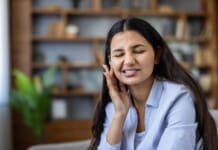
Discover innovative integrative chiropractic treatment solutions to manage migraine pain and restore balance in your life.
Table of Contents
Abstract
I am Dr. Alex Jimenez, DC, APRN, FNP-BC, CFMP, IFMCP, ATN, CCST. In this educational post, I guide you through a comprehensive, evidence-based exploration of migraine: what it is, how it manifests, and how we can manage it using integrative, modern approaches grounded in rigorous science. We will clarify how to distinguish primary from secondary headaches using validated red-flag criteria, differentiate migraine from tension-type headache using practical, bedside tools, and map the neurological phases of a migraine attack from prodrome to postdrome. We will journey into the central and peripheral physiology of migraine, focusing on the hypothalamus, the trigeminovascular system, cortical spreading depression, and the key molecular mediators calcitonin gene-related peptide (CGRP) and serotonin. We will translate this science into action by detailing modern acute and preventive pharmacotherapy, including triptans, ditans, gepants, and CGRP monoclonal antibodies, as well as onabotulinumtoxinA for chronic migraine.
This post also presents our multidisciplinary care model at Injury Medical Clinic PA (also known as Mission Plaza Injury Medical Clinic) in El Paso, Texas, where I work in close collaboration with our Medical Director and Collaborative Physician, Dr. Maria Guadalupe Cardenas, MD (Board Certified in Internal Medicine; NPI #1164426749; Texas MD License #J2933), who brings more than 40 years of internal medicine experience. Together, we integrate medical oversight, integrative chiropractic care, functional medicine, personal injury rehabilitation, and targeted neuromusculoskeletal interventions to improve outcomes and safety. Throughout, I share clinical insights from my practice and observations documented at sciatica.clinic and my professional updates via my LinkedIn profile, anchoring the discussion in real-world care and continuously updated, peer-reviewed evidence.
Integrative Migraine Care in El Paso: A Multidisciplinary Model with Medical Direction
I practice at Injury Medical Clinic PA, also known as Mission Plaza Injury Medical Clinic, in El Paso, Texas. Our clinic represents a modern, integrated care model increasingly adopted in injury and functional wellness settings: a chiropractor and advanced practice clinician working under the medical direction of an internal medicine physician to deliver comprehensive, coordinated care.
- Medical Director and Collaborative Physician: Dr. Maria Guadalupe Cardenas, MD
-
- Board Certified in Internal Medicine
- NPI #1164426749
- Texas MD License #J2933
- Over 40 years of internal medicine experience
- Chiropractic and Advanced Practice Leadership:
-
- I am a Doctor of Chiropractic and Advanced Practice Registered Nurse, board-certified Family Nurse Practitioner, with certifications in functional and integrative medicine (CFMP, IFMCP), and advanced training reflected by ATN and CCST.
- Integrated Services:
-
- Medical oversight and triage: internal medicine evaluation, pharmacologic management, safety monitoring, and urgent care pathways
- Integrative chiropractic care: upper cervical and thoracic biomechanics, trigeminocervical complex modulation, spinal adjustments, and rehabilitative neuromotor re-education
- Functional medicine: systems biology testing and targeted nutrition for neuro-metabolic resilience
- Personal injury care: whiplash, post-traumatic headache, and return-to-function rehabilitation
- Rehabilitation: myofascial therapy, corrective exercise, posture retraining, and ergonomics
This collaboration ensures patients receive a safety-first, multidisciplinary continuum—from identifying high-risk secondary causes of headache (with immediate medical triage) to integrative, conservative therapies and, when indicated, state-of-the-art pharmacotherapy. The result is a comprehensive care pathway that bridges medical and conservative disciplines to address migraine as a neuro-vascular-musculoskeletal and neuro-metabolic disorder.
Migraine Epidemiology: A Global Burden Hiding in Plain Sight
Migraine is one of the most common neurological disorders worldwide, affecting over a billion people globally. Its burden is substantial, often underestimated outside specialized centers.
- Prevalence:
-
- Approximately one in five women and one in sixteen men experience migraine.
- About one in eleven children are affected before menarche, with a nearly equal gender distribution.
- In the United States, migraine is present in approximately one in four households.
- Most migraine care (around 70 percent) occurs in primary care and integrative practices rather than tertiary headache centers.
- Clinical Implications:
-
- Access to specialized care is limited.
- Primary care and integrative clinics must be adept at identifying dangerous secondary causes, accurately diagnosing migraine, and implementing safe, effective treatments.
- Practice Insight:
-
- In our clinic, patient pathways account for this distribution. We emphasize early identification, patient education, and comprehensive acute and preventive planning that can be delivered in primary and integrative settings while maintaining strong referral relationships with neurology and emergency care for red flags.
References: Goadsby et al., 2017; International Headache Society, 2018.
Safety First: Differentiating Primary vs Secondary Headache Disorders
Before diagnosing a primary headache disorder like migraine, we rigorously rule out dangerous secondary causes. We use the validated SNOOP mnemonic to ensure we don’t miss any red flags.
- S Systemic symptoms: fever, night sweats, unexplained weight loss, myalgias
-
- Possible etiologies: infection (e.g., meningitis), inflammatory disease, malignancy
- N Neurologic signs: focal deficits, aphasia, new confusion, seizures
-
- Immediate neuroimaging is warranted
- Fundoscopy for papilledema suggests increased intracranial pressure
- O Onset (sudden/thunderclap): maximal pain within seconds to minutes
-
- Concern for subarachnoid hemorrhage and aneurysm rupture; emergent evaluation
- O Older age at onset: first severe headache after age 50
-
- Consider cranial/temporal arteritis (giant cell arteritis); jaw claudication, scalp tenderness, elevated inflammatory markers
- P Pattern change or precipitants: new daily persistent headache, Valsalva-triggered pain, positional changes
-
- Valsalva-only headaches: consider mass lesion or Chiari malformation
- Orthostatic headaches (worse upright, better lying flat): suspect CSF leak and spontaneous intracranial hypotension
- Care Pathway:
-
- Under Dr. Cardenas’s direction, patients with SNOOP red flags receive expedited allopathic triage, advanced imaging, and urgent intervention.
- This integrated approach protects patients while allowing safe, thorough care of primary headaches.
References: International Headache Society, 2018.
Practical Diagnosis: Migraine vs Tension-Type Headache
After ruling out secondary causes, we distinguish migraine from tension-type headache using clear criteria and validated tools.
- ICHD-3 Migraine Without Aura requires at least two of the following four pain features:
-
- Unilateral location (commonly one-sided, though bilateral is possible)
- Pulsating or throbbing quality
- Aggravation by routine physical activity
- Moderate to severe intensity
- Plus at least one associated symptom:
-
- Nausea and/or vomiting
- Photophobia and phonophobia
- ID Migraine Screener (PIN) for primary care:
-
- P: Photophobia during headaches
- I: Impairment causing limited activities
- N: Nausea during headache
- Two positive answers predict migraine with high probability when the neurological exam is normal (Lipton et al., 2003).
- Tension-Type Headache:
-
- Bilateral, pressing/tightening (non-pulsating), mild-to-moderate intensity
- Not aggravated by routine activity
- No nausea/vomiting; may have either light or sound sensitivity, but rarely both
- Often relieved by movement or gentle neck mobility
- The Single Most Discriminating Question:
-
- “Does routine physical activity make your headache worse?”
- Worsening with movement suggests migraine; relief with movement suggests tension-type.
- Clinical Note:
-
- Patients often misattribute prodromal neck stiffness to “tension.” Education clarifies that cervical stiffness can be a centrally mediated prodrome rather than a tension trigger.
References: International Headache Society, 2018; Lipton et al., 2003.
The Migraine Timeline: Understanding Phases from Prodrome to Postdrome
A migraine is a multi-phase neurological event with distinct clinical and physiological features.
- Interictal Phase:
-
- Symptom-free intervals with underlying central hyperexcitability detectable on functional neuroimaging.
- Prodrome (24–48 hours prior):
-
- Symptoms: fatigue, yawning, cognitive fog, mood lability, cravings, vertigo, cervical stiffness
- Driven largely by hypothalamic dysmodulation and limbic-autonomic interplay.
- Aura (about 30 percent of patients):
-
- Gradual onset over 5–20 minutes, resolving within 60 minutes
- Visual positive phenomena: scintillating scotomas, zigzag lines, geometric shapes
- Mechanism: Cortical Spreading Depression (CSD)—a wave of neuronal/glial depolarization followed by suppression.
- Headache Phase (4–72 hours):
-
- Throbbing pain; photophobia, phonophobia; nausea/vomiting; sensory hypersensitivity
- Postdrome (approximately 24 hours):
-
- “Migraine hangover”: exhaustion, muscle tenderness (especially cranial/cervical), cognitive slowing
- Clinical Utility:
-
- Recognizing prodrome enables early, targeted intervention—critical because therapies are more effective before central sensitization establishes.
References: Goadsby et al., 2017; Noseda & Burstein, 2013.
Central Mechanisms: The Hypothalamus and Genetic Hyperexcitability
Migraine involves intrinsic central nervous system hyperexcitability, with strong genetic contributions affecting ion channel function and sensory processing thresholds.
- Hypothalamus as a Central “Generator”:
-
- Regulates autonomic tone, circadian rhythm, hormonal status, appetite, thirst, and stress responses
- Interconnected with the limbic system; stress and emotion are potent triggers
- Dysmodulation leads to prodromal symptoms and sets the stage for attacks by lowering thresholds for sensory overload
- Genetic Factors:
-
- Familial clustering (approximately 70 percent with family history) suggests polymorphisms in channels and neurotransmitter systems increasing susceptibility to cortical spreading depression and heightened brainstem responsiveness.
- Clinical Implication:
-
- Central dysmodulation explains why sleep disturbance, shift work, hormonal transitions, and stress destabilize migraine patterns, and why central-calming strategies (sleep hygiene, consistent routines, cognitive-behavioral approaches) support pharmacologic and structural interventions.
References: Goadsby et al., 2017.
Peripheral Mechanisms: The Trigeminovascular System and CGRP
Peripheral mediation of migraine pain centers on the trigeminovascular system—the trigeminal nerve’s sensory branches innervate pain-sensitive intracranial structures.
- Anatomical Pathway:
-
- Ophthalmic division (V1) innervates dura and cerebral vessels
- Afferents converge in the trigeminal nucleus caudalis and trigeminocervical complex (TCC), overlapping with upper cervical afferents (C1–C3)
- Key Mediator: Calcitonin Gene-Related Peptide (CGRP)
-
- Potent vasodilator and driver of neurogenic inflammation
- Released by trigeminal C-fibers; levels rise during attacks and normalize interictally (jugular sampling studies)
- Triggers mast cell degranulation (histamine, prostaglandins), plasma protein extravasation, and peripheral sensitization
- Contributes to central sensitization and allodynia, amplifying pain perception
- Referred Pain and Cervical Link:
-
- TCC convergence explains eye, temple, and neck pain interplay
- Cervical joint dysfunction can augment trigeminal input; migraine can produce reactive neck stiffness via shared circuits.
- Clinical Insight:
-
- Mechanical dysfunction of upper cervical segments can heighten baseline nociceptive input into TCC, lowering the threshold for attacks. Correcting biomechanics reduces background “noise,” improving migraine control.
References: Edvinsson et al., 2018; Olesen et al., 2009; Iyengar et al., 2019.
The Serotonin–CGRP Axis: Why 5-HT1 Agonists and CGRP Antagonists Work
Therapeutic advances derive from understanding how serotonin and CGRP interact in trigeminal synapses.
- Serotonin (5-HT) Modulation:
-
- High presynaptic 5-HT activity suppresses CGRP release
- Triptans (5-HT1B/1D agonists) inhibit CGRP release and produce targeted cranial vasoconstriction, aborting attacks
- CGRP Antagonism:
-
- Gepants: small molecules that block CGRP receptors (postsynaptic blockade)
- Monoclonal antibodies: either bind CGRP ligand (eptinezumab, fremanezumab, galcanezumab) or block CGRP receptors (erenumab), preventing receptor activation and downstream nociceptive signaling
- Clinical Translation:
-
- Early triptan use aborts cascades before central sensitization
- Gepants and mAbs provide migraine-specific options with favorable tolerability and minimal off-target effects compared to legacy preventives.
References: Ho et al., 2010; Iyengar et al., 2019; Edvinsson et al., 2018.
Acute Treatment Strategy: A Stratified, Early-Intervention Plan
Every patient deserves an individualized acute toolkit, deployed at the first sign of migraine. Early intervention is key because once allodynia and central sensitization develop, response rates drop.
- Goals of Acute Therapy:
-
- Rapid, sustained pain freedom
- Resolution of associated symptoms
- Fast return to normal function
- Stratified Care Toolkit:
- Mild attacks:
-
-
- NSAIDs (e.g., ibuprofen, naproxen) or acetaminophen
- Risk screening for GI, renal, and cardiovascular comorbidities
-
-
- Moderate attacks:
-
-
- Triptans (e.g., sumatriptan, rizatriptan, eletriptan)
- DHE in appropriate cases
- Ditans (lasmiditan) when vasoconstriction is contraindicated
-
-
- Severe attacks:
-
-
- Add dopamine antagonists (metoclopramide, chlorpromazine, promethazine) for antiemesis and enhanced analgesia
- Consider non-oral routes for gastric stasis (nasal, subcutaneous)
-
- Formulation Innovations:
-
- Sumatriptan: 3 mg SC option for sensitive patients; permeation-enhanced nasal spray; breath-activated nasal powder
- Rizatriptan + meloxicam combination: synergistic dual mechanism for sustained relief
- DHE auto-injector: simplifies administration for severe migraine and cluster headache
- Diclofenac potassium oral solution: rapid-onset NSAID for early intervention
- Practical Pearls:
-
- If one triptan underperforms, try another or lower the dose to reduce side effects
- For recurrence, choose longer half-life triptans (naratriptan, frovatriptan) ± long-acting NSAID
- In nausea/vomiting, avoid oral meds; use nasal or injectable routes
- Educate on medication overuse headache (MOH) thresholds to prevent chronification
References: Dodick et al., 2019; International Headache Society, 2018.
Newer Acute Agents: Gepants and Ditans in Clinical Context
Modern, migraine-specific agents expand options for patients with cardiovascular risk or triptan intolerance.
- Gepants (ubrogepant, rimegepant, zavegepant):
-
- Mechanism: CGRP receptor antagonists (postsynaptic)
- Advantages: Low MOH risk, not controlled substances
- Considerations: CYP3A4 metabolism—dose adjust with inducers (e.g., topiramate) or inhibitors (e.g., verapamil); emerging warnings for new/worsening hypertension and Raynaud’s phenomenon; counsel and monitor BP and peripheral vasospasm symptoms
- Ditans (lasmiditan):
-
- Mechanism: Selective 5-HT1F agonist without vasoconstriction
- Use case: Patients with vascular contraindications to triptans, or severe intractable attacks where sedation supports sleep as a “migraine breaker”
- Limitations: CNS side effects (dizziness, paresthesias, somnolence), driving restriction for at least 8 hours post-dose, Schedule V
- Clinical Positioning:
-
- Gepants serve patients needing non-vasoconstrictive, migraine-specific rescue with minimal MOH risk
- Ditans fill a niche where serotonin-mediated benefit is desired without vascular effects and when enforced rest is therapeutically useful.
References: Dodick et al., 2019; American Headache Society, 2024.
Preventive Therapy: When, Why, and How We Start
Preventive therapy reduces attack frequency, intensity, and duration and improves responsiveness to acute treatments.
- When to Consider Prevention:
-
- Patient preference and disability level
- ≥4 migraine days per month, or ≥2–3 with substantial impairment
- Evidence of MOH or poor response to acute therapy
- Chronic migraine (≥15 headache days/month with ≥8 migraine days for ≥3 months)
- Legacy Preventives (Episodic Migraine):
-
- Level A: Topiramate, divalproex sodium; beta-blockers (propranolol, metoprolol, timolol); candesartan (ARBs) has strong evidence
- Level B: Amitriptyline, venlafaxine; atenolol, nadolol
- Pediatrics: cyproheptadine; propranolol/nadolol; amitriptyline/imipramine (with careful monitoring)
- Migraine-Specific Preventives:
- Oral gepants: rimegepant ODT (every other day; dual acute-preventive approval), atogepant (10/30/60 mg daily; episodic and chronic)
- Monoclonal antibodies:
-
-
- Ligand-binding: eptinezumab (IV q3 months), fremanezumab (monthly or quarterly SQ), galcanezumab (monthly SQ)
- Receptor-blocking: erenumab (monthly SQ)
-
- OnabotulinumtoxinA (Botox) for Chronic Migraine:
-
- Mechanism: cleaves SNAP-25, blocking vesicular release of CGRP/Substance P; reduces peripheral and central sensitization
- Protocol: PREEMPT—31–39 injections across head/neck every 12 weeks
- Synergy: chiropractic soft tissue normalization and spinal biomechanics optimization enhance patient response and reduce post-injection soreness
- Choosing a Preventive:
-
- Tailor to comorbidities: hypertension (candesartan, propranolol), depression/anxiety (amitriptyline/venlafaxine), insomnia (low-dose tricyclics), obesity (topiramate with caution), IBS-C (avoid erenumab given constipation risk)
- Newer therapies may be first-line for many patients, per recent guidance advocating early adoption of CGRP-targeted options (American Headache Society, 2024)
- Expectations and Monitoring:
-
- Monoclonal antibodies: long half-lives, minimal drug interactions, evaluate over 3–6 months
- Erenumab: monitor for constipation, cramps, BP
- Class-level caution: monitor for BP elevation and Raynaud’s phenomenon
References: Diener et al., 2010; Sacco et al., 2019; American Headache Society, 2024; Ho et al., 2010.
Synaptic Biology and OnabotulinumtoxinA: Why SNAP-25 Matters
To appreciate why onabotulinumtoxinA is effective, it helps to visualize synaptic transmission:
- Presynaptic Vesicles: store neurotransmitters (e.g., CGRP, Substance P)
- SNARE Complex: protein machinery (including SNAP-25) that docks and fuses vesicles with the membrane
- OnabotulinumtoxinA: cleaves SNAP-25, preventing vesicle fusion and neurotransmitter release
- Result: dampened sensory neuron output, reduced nociceptive signaling, decreased peripheral sensitization and spread to central structures
- Clinical Rationale:
-
- Interrupting neuropeptide release reduces both peripheral nociception and the central sensitization that perpetuates chronic migraine
- PREEMPT targeting of specific myofascial and pericranial muscle groups reflects anatomical hubs of nociceptive processing and myofascial trigger zones
References: FDA, 2010; Diener et al., 2010; Mulleners & Chronicle, 2008.
CGRP Monoclonal Antibodies and Gepants: Mechanistic Precision and Practical Nuance
Understanding differences among CGRP-targeted therapies helps clinicians and patients personalize care.
- Monoclonal Antibodies:
-
- Eptinezumab (IV, ligand-binding): immediate bioavailability; quarterly infusion
- Fremanezumab (SQ, ligand-binding): monthly or quarterly
- Galcanezumab (SQ, ligand-binding): monthly with loading dose
- Erenumab (SQ, receptor-blocking): monthly; watch for GI motility effects and BP
- Key Distinctions:
-
- Half-life: long (28–32 days), favoring adherence
- Metabolism: cellular proteolysis; minimal pharmacokinetic drug interactions
- Side Effects: injection site reactions; erenumab-associated constipation and post-marketing BP concerns; occasional URI-like symptoms or nausea (agent-specific)
- Gepants for Prevention:
-
- Atogepant: dose flexibility; manage somnolence by nighttime dosing; rare anorexia/weight loss
- Rimegepant ODT: every-other-day prevention with acute dosing flexibility; nausea is most common side effect
- Safety Updates (Class-Level):
-
- New-onset or worsening hypertension and Raynaud’s phenomenon have been reported; though infrequent, we educate patients, monitor BP, and counsel on cold-induced finger color changes or numbness.
References: Sacco et al., 2019; American Headache Society, 2024; Ho et al., 2010.
Integrative Chiropractic Care Aligning Structure with Neurophysiology
Migraine is not only a neurochemical disorder; it is also a neurovascular-musculoskeletal phenomenon. Structural dysfunction of the upper cervical spine can chronically stimulate the trigeminocervical complex, lowering the threshold for attacks.
- Biomechanical Targets:
-
- C0–C3 segmental motion restrictions
- Suboccipital myofascial hypertonicity
- Forward head posture, thoracic kyphosis contributing to cervical load
- Mechanisms of Benefit:
-
- Reduced afferent nociception into TCC: decreases background drive to trigeminal pathways
- Normalization of proprioception: restores sensorimotor integration and reduces central hypervigilance
- Muscle tone modulation: soft tissue work reduces trigger points that act as peripheral generators
- Autonomic balancing: improved cervical mechanics can influence sympathetic-parasympathetic tone via neck-to-brainstem pathways
- Clinical Integration:
-
- Pre- and post-onabotulinumtoxinA sessions: chiropractic myofascial and joint work improves comfort and outcomes
- With CGRP therapies: reducing peripheral triggers enhances the effect of pharmacologic dampening
- With functional medicine: structural gains are stabilized by anti-inflammatory nutrition and metabolic support
- Practice Observations:
-
- Patients with cervicogenic contributions experience fewer and less intense migraines after targeted cervical adjustments and neuromuscular retraining. I document and discuss these observations through sciatica.clinic and my LinkedIn posts, where I share evolving protocols and case-based insights.
References: Noseda & Burstein, 2013; Edvinsson et al., 2018; Goadsby et al., 2017.
Functional Medicine and Systems Biology: Reducing the Neuro-Inflammatory Load
A brain in a pro-inflammatory milieu is more susceptible to cortical spreading depression and central sensitization. Functional medicine addresses these systemic drivers.
- Assessment Domains:
-
- Gut-brain axis: dysbiosis, intestinal permeability, microbiota shifts
- Micronutrient status: magnesium, riboflavin (B2), CoQ10—key for mitochondrial ATP supply in neurons
- Hormonal balance: estrogen fluctuations, thyroid function, adrenal stress responses
- Metabolic inflammation: insulin resistance, visceral adiposity
- Sleep and circadian rhythm: irregular schedules, sleep apnea
- Environmental triggers: dietary triggers, chemicals, allergens
- Interventions:
-
- Magnesium: supports NMDA receptor modulation and neuronal stability
- Riboflavin and CoQ10: enhance mitochondrial efficiency in high-demand neural areas
- Anti-inflammatory diet: reduces systemic cytokines; stabilizes glucose and insulin; mitigates vascular reactivity
- Probiotics and prebiotics: normalize gut-brain signaling
- Sleep hygiene: stabilizes hypothalamic regulation and reduces prodromal vulnerability
- Stress modulation: limbic/hypothalamic control via mindfulness, paced breathing, and graded exposure
- Rationale:
-
- Lowering systemic inflammatory tone reduces susceptibility to central and peripheral sensitization, complementing pharmacologic blockade and structural normalization.
- A systems approach turns down multiple “volume knobs” simultaneously, achieving cumulative benefit.
References: Goadsby et al., 2017; Edvinsson et al., 2018.
Rehabilitation, Posture, and Ergonomics: Correcting the Daily Load
Daylong microstressors accumulate to sustain a low-threshold state. Rehabilitation addresses the repetitive load.
- Corrective Focus:
-
- Scapular stabilization: reduces cervical extensor overdrive
- Deep neck flexor endurance: counters forward head posture
- Thoracic mobility: supports cervical unloading
- Ergonomics: desk height, screen position, microbreaks, dynamic sitting/standing cycles
- Breathing mechanics: diaphragmatic training to reduce upper trapezius recruitment
- Clinical Rationale:
-
- Balanced muscle activation prevents myofascial trigger propagation and reduces afferent nociception into TCC
- Movement variability prevents static ischemia in pericranial muscles
- Patients report fewer triggers when workstation and posture are optimized, especially in hybrid or remote work contexts
References: Noseda & Burstein, 2013; Goadsby et al., 2017.
Personalized Care Plans: Building a Comprehensive, Patient-Centered Strategy
We co-design care plans with patients and adjust them over time.
- Core Elements:
-
- Safety triage: SNOOP screening with rapid access to advanced imaging and specialty care
- Acute toolkit: stratified, personalized selection of routes and agents; education on early use
- Preventive selection: align therapy with comorbidities and preferences; consider early use of CGRP-targeted therapies
- Structural care: chiropractic adjustments, soft tissue care, and rehab to normalize cervical mechanics
- Functional medicine: lab-guided nutrition and lifestyle changes to reduce neuroinflammation
- Education and metrics: diary tracking, wearable data integration, and periodic reassessment
- Outcome Measures:
-
- Reduction in monthly migraine days (MMDs)
- Decreased pain intensity and duration
- Improved acute response and fewer rescue escalations
- Enhanced function and quality of life metrics
- Reduced adverse events and medication exposure
- Care Continuity:
-
- Regular follow-ups to evaluate preventive efficacy at 12-week intervals; adjust based on response and tolerability
- Incorporate patient feedback; share decision-making about medication switches or combined approaches.
References: Sacco et al., 2019; American Headache Society, 2024.
Special Considerations: Hormonal, Pediatric, and Post-Traumatic Migraine
Migraine presentations vary across life stages and contexts; we tailor strategies accordingly.
- Menstrual-Related Migraine:
-
- Vulnerability window around estrogen withdrawal
- Strategies: mini-preventive approaches (e.g., long half-life triptans or NSAIDs across the perimenstrual window), magnesium support, sleep stability; CGRP therapies as per indication
- Pediatric and Adolescent Migraine:
-
- Pediatric-friendly preventives: cyproheptadine; propranolol/nadolol; amitriptyline/imipramine (with careful risk-benefit evaluation)
- Emphasis on sleep hygiene, screen ergonomics, hydration, and physical activity
- Post-Traumatic Headache and Whiplash:
-
- Overlap of cervicogenic and migraine features
- Focus on cervical rehabilitation, vestibular therapy, graded return to activity, and targeted acute care; consider preventive if chronic patterns emerge.e
References: International Headache Society, 2018; Sacco et al., 2019.
Medication Overuse Headache: Recognize, Reset, and Rebuild
Excessive reliance on acute medications can transform episodic migraine into chronic daily headache.
- Definitions:
-
- ≥10 days/month: triptans, ergots, opioids, combination analgesics
- ≥15 days/month: simple analgesics (e.g., NSAIDs, acetaminophen)
- Management:
-
- Educate and set usage limits
- Transition to migraine-specific agents with lower MOH risk (e.g., gepants)
- Initiate preventive therapy to reduce attack frequency
- Short-term bridging with antiemetics, steroids, or NSAIDs under medical oversight when withdrawing overused agents
- Clinical Note:
-
- Our integrated model allows for careful medication tapering, structural care to ease withdrawal triggers, and nutritional strategies to stabilize sleep and energy.
References: International Headache Society, 2018.
Safety Monitoring and Informed Consent Incorporating Emerging Data
We practice continuous vigilance and education.
- CGRP Antagonists:
-
- Monitor blood pressure and counsel about Raynaud’s phenomenon
- For erenumab: assess constipation risk, GI history, and BP
- Document informed consent reflecting class-level observations and individual risk profiles
- Triptans:
-
- Review vascular history; assess for hypertension, stroke/TIA, and coronary disease
- Coordinate with Dr. Cardenas for cardiovascular risk stratification
- Polypharmacy:
-
- Reconcile CYP3A4 interactions for gepants and co-medications
- Prefer monoclonal antibodies where minimal drug interactions are necessary
References: American Headache Society, 2024; Sacco et al., 2019.
Why This Integrative Model Works: A Synthesis of Science and Practice
Our model succeeds because it aligns withmigraine’ss multifactorial nature:
- Neurobiology-informed: targeted pharmacology (5-HT1 and CGRP pathways) addresses core drivers
- Biomechanics-aware: cervical and cranial myofascial normalization reduces peripheral inputs to TCC
- Systems biology: functional medicine lowers neuroinflammatory tone
- Medical safety: internal medicine oversight ensures rapid triage, appropriate imaging, and safe prescribing
- Patient-centered: education, preferences, and shared decision-making foster adherence and empowerment
- Clinical Observation:
-
- Patients receiving combined chiropractic care, CGRP-targeted prevention, and functional nutrition demonstrate not only fewer MMDs but improved resilience and reduced acute medication needs. I regularly discuss detailed narratives and practical cases on sciatica.clinic and in my professional LinkedIn updates, where I share evolving protocols and community collaborations.
References: Goadsby et al., 2017; Edvinsson et al., 2018; Sacco et al., 2019.
Conclusion: Empowering Patients Through Integrative Synergy
Migraine is a complex neuro-metabolic and neuro-biomechanical condition. Effective care demands a cohesive approach that is simultaneously scientifically precise and clinically holistic. By integrating medical direction from Dr. Maria Guadalupe Cardenas, MD, with chiropractic biomechanics, functional medicine, and structured rehabilitation, we deliver a complete continuum of care grounded in modern, evidence-based research.
Our patients don’t have to choose between “medical” and “conservative” care. They receive both, sequenced and coordinated to maximize benefit and safety. This is the future of headache medicine—patient-centered, multidisciplinary, and relentlessly evidence-informed—right here in El Paso at Injury Medical Clinic PA, also known as Mission Plaza Injury Medical Clinic.
References
American Headache Society. 2024. The American Headache Society Position Statement on Integrating New Migraine Treatments into Clinical Practice. Headache: The Journal of Head and Face Pain, 64(1), 7–15. https://doi.org/10.1111/head.14652
Diener, H. C., Dodick, D. W., Aurora, S. K., Turkel, C. C., DeGryse, R. E., Lipton, R. B., … & Brin, M. F. 2010. OnabotulinumtoxinA for treatment of chronic migraine: Results from the double-blind, randomized, placebo-controlled phases of the PREEMPT 1 and 2 trials. Cephalalgia, 30(7), 793–803. https://doi.org/10.1177/0333102410364676
Dodick, D. W., Lipton, R. B., Ailani, J., Lu, K., Finnegan, M., Trugman, J. M., & Szegedi, A. 2019. Ubrogepant for the treatment of migraine. New England Journal of Medicine, 381(23), 2230–2241. https://doi.org/10.1056/NEJMoa1813049
Edvinsson, L., Haanes, K. A., & Warfvinge, K. 2018. Does CGRP play an instructive role in migraine pathogenesis? Nature Reviews Neurology, 14(6), 338–350. https://www.nature.com/articles/nrneurol.2018.67
Goadsby, P. J., Holland, P. R., Martins-Oliveira, M., Hoffmann, J., Schankin, C., & Akerman, S. 2017. Pathophysiology of migraine: A disorder of sensory processing. Physiological Reviews, 97(2), 553–622. https://doi.org/10.1152/physrev.00034.2015
Ho, T. W., Edvinsson, L., & Goadsby, P. J. 2010. CGRP and its receptors provide new insights into migraine pathophysiology. Nature Reviews Neurology, 6(10), 573–582. https://doi.org/10.1038/nrneurol.2010.127
International Headache Society. 2018. The International Classification of Headache Disorders, 3rd edition (ICHD-3). Cephalalgia, 38(1), 1–211. https://ihs-headache.org/en/resources/guidelines/
Iyengar, S., Johnson, K. W., Ossipov, M. H., & Aurora, S. K. 2019. CGRP and the Trigeminal System in Migraine. Headache: The Journal of Head and Face Pain, 59(4), 629–640. https://doi.org/10.1111/head.13529
Lipton, R. B., Dodick, D., Sadovsky, R., Kolodner, K., Endicott, J., Hettiarachchi, J., & Harrison, W. 2003. A self-administered screener for migraine in primary care: The ID Migraine validation study. Neurology, 61(3), 375–382. https://n.neurology.org/content/61/3/375
Mulleners, W. M., & Chronicle, E. P. 2008. Onabotulinum toxin A in the treatment of headache. Cephalalgia, 28(S2), 29–43. https://doi.org/10.1111/j.1468-2982.2008.01659.x
Noseda, R., & Burstein, R. 2013. Migraine pathophysiology: Anatomy of the trigeminovascular pathway and associated neurological symptoms, cortical spreading depression, sensitization, and modulation of pain. Pain, 154(Suppl 1), S44–S53. https://doi.org/10.1016/j.pain.2013.07.021
Sacco, S., Bendtsen, L., Ashina, M., Reuter, U., Terwindt, G., Mitsikostas, D. D., & Martelletti, P. 2019. European Headache Federation guideline on the use of monoclonal antibodies acting on the calcitonin gene-related peptide or its receptor for migraine prevention. The Journal of Headache and Pain, 20(1), 6. https://doi.org/10.1186/s10194-018-0955-y
FDA. 2010. BLA Approval for BOTOX (onabotulinumtoxinA) for Prophylaxis of Headaches in Adults with Chronic Migraine. U.S. Food and Drug Administration. https://www.accessdata.fda.gov/drugsatfda_docs/appletter/2010/103000s5224ltr.pdf
Olesen, J., Burstein, R., Ashina, M., & Tfelt-Hansen, P. 2009. Origin of pain in migraine: Evidence for peripheral sensitization. The Lancet Neurology, 8(7), 679–690. https://www.thelancet.com/journals/laneur/article/PIIS1474-4422(09)70090-0/fulltext
SEO tags: migraine pathophysiology, CGRP, calcitonin gene-related peptide, trigeminovascular system, hypothalamus migraine, serotonin and migraine, triptans, ditans, gepants, CGRP monoclonal antibodies, onabotulinumtoxinA, Botox chronic migraine, integrative chiropractic care, functional medicine migraine, Dr. Alex Jimenez, Dr. Maria Guadalupe Cardenas MD, Injury Medical Clinic PA, Mission Plaza Injury Medical Clinic, El Paso TX, SNOOP headache red flags, ID Migraine screener, trigeminocervical complex, cervical biomechanics migraine, medication overuse headache, migraine prevention strategies, pediatric migraine, menstrual migraine, post-traumatic headache, rehabilitation and posture migraine, sciatica.Clinic, Dr. Alexander Jimenez LinkedIn
Professional Scope of Practice *
The information herein on "Chiropractic Benefits with Integrative Treatments for Migraines" is not intended to replace a one-on-one relationship with a qualified health care professional or licensed physician and is not medical advice. We encourage you to make healthcare decisions based on your research and partnership with a qualified healthcare professional.
Blog Information & Scope Discussions
Welcome to El Paso's Premier Wellness and Injury Care Clinic & Wellness Blog, where Dr. Alex Jimenez, DC, FNP-C, a Multi-State board-certified Family Practice Nurse Practitioner (FNP-BC) and Chiropractor (DC), presents insights on how our multidisciplinary team is dedicated to holistic healing and personalized care. Our practice aligns with evidence-based treatment protocols inspired by integrative medicine principles, similar to those found on this site and our family practice-based chiromed.com site, focusing on restoring health naturally for patients of all ages.
Our areas of multidisciplinary practice include Wellness & Nutrition, Chronic Pain, Personal Injury, Auto Accident Care, Work Injuries, Back Injury, Low Back Pain, Neck Pain, Migraine Headaches, Sports Injuries, Severe Sciatica, Scoliosis, Complex Herniated Discs, Fibromyalgia, Chronic Pain, Complex Injuries, Stress Management, Functional Medicine Treatments, and in-scope care protocols.
Our information scope is multidisciplinary, focusing on musculoskeletal and physical medicine, wellness, contributing etiological viscerosomatic disturbances within clinical presentations, associated somato-visceral reflex clinical dynamics, subluxation complexes, sensitive health issues, and functional medicine articles, topics, and discussions.
We provide and present clinical collaboration with specialists from various disciplines. Each specialist is governed by their professional scope of practice and their jurisdiction of licensure. We use functional health & wellness protocols to treat and support care for musculoskeletal injuries or disorders.
Our videos, posts, topics, and insights address clinical matters and issues that are directly or indirectly related to our clinical scope of practice.
Our office has made a reasonable effort to provide supportive citations and has identified relevant research studies that support our posts. We provide copies of supporting research studies upon request to regulatory boards and the public.
We understand that we cover matters that require an additional explanation of how they may assist in a particular care plan or treatment protocol; therefore, to discuss the subject matter above further, please feel free to ask Dr. Alex Jimenez, DC, APRN, FNP-BC, or contact us at 915-850-0900.
We are here to help you and your family.
Blessings
Dr. Alex Jimenez DC, MSACP, APRN, FNP-BC*, CCST, IFMCP, CFMP, ATN
Email: [email protected]
Multidisciplinary Licensing & Board Certifications:
Licensed as a Doctor of Chiropractic (DC) in Texas & New Mexico*
Chiropractic Licenses:
Texas DC License #: TX5807, Verified: TX5807
New Mexico DC License #: NM-DC2182, Verified: NM-DC2182
Nurse Practitioner Licenses:
Texas APRN License #: 1191402, Verified: 1191402 *
New Mexico CNP License #: 90560, Verified 90560
Florida APRN License #: 11043890, Verified: APRN11043890 *
Colorado License #: C-APN.0105610-C-NP, Verified: C-APN.0105610-C-NP
New York License #: N25929, Verified N25929
Georgia APRN License #: GAA-NP005701
Multi-State Advanced Practice Registered Nurse (APRN*) Texas & Multi-States
Multi-state Compact APRN License by Endorsement (43 States)
Compact Status: Multi-State License: Authorized to Practice in 43 States*
Nursing Licensure Compact: Updated Here
DEA Registration: (Drug Enforcement Agency Registered)
All medical (MDs) and family practice providers (FNP-APRN) are registered and licensed to offer various levels of medication.
Verify Providers Here
License Verification Link: Nursys License Verifier
* Prescriptive Authority Authorized (DEA Registered Providers). Call if Required
Board Certification:
ANCC FNP-BC: Board Certified Nurse Practitioner*
Education:
Graduate with Honors: ICHS: MSN-FNP (Family Nurse Practitioner Program)
Degree Granted. Master's in Family Practice, MSN Diploma (Cum Laude)
Dr. Alex Jimenez, DC, APRN, FNP-BC*, CFMP, IFMCP, ATN, CCST
(Board Certified: Family Practice Nurse Practitioner—Multistate)*
(Licensed Nurse Practitioner & Chiropractor - Multistate)*
Clinical Director
DC & FNP License (Review Above)
Digital Business Card
NPI: 1205907805
Dr. Maria Cardenas, MD
(Board Certified: Internal Medicine)
(Licensed Medical Doctor)
Medical Director, Clinical Director & Collaborative Physician
NPI # 1164426748
MD License #: J2933
Licenses and Board Certifications:
MD: Medical Doctor
DC: Doctor of Chiropractic
APRNP: Advanced Practice Registered Nurse
FNP-BC: Family Practice Specialization (Multi-State Board Certified)
FNP-BC: Family Practice Across Life Span (Neonatal to Geriatrics)
RN: Registered Nurse (Multi-State Compact License)
CFMP: Certified Functional Medicine Provider
MSN-FNP: Master of Science in Family Practice Medicine
MSACP: Master of Science in Advanced Clinical Practice
IFMCP: Institute of Functional Medicine
CCST: Certified Chiropractic Spinal Trauma
ATN: Advanced Translational Neutrogenomics
Family with Primary Care Focus (Family Nurse Practitioner or FNP)
- The Family Nurse Practitioner (FNP) promotes, maintains, and restores health for individuals and families across the lifespan. FNPs also identify health risks, promote wellness, and diagnose and manage acute and chronic illness.
- The FNP focuses on comprehensive primary care, promoting healthy lifestyles for patients across the lifespan in settings such as private practice, physician offices, and community health centers.
Memberships & Associations:
TCA: Texas Chiropractic Association: Member ID: 104311
TNA: Texas Nurse Association: Member ID: 06458222
TNP: Texas Nurse Practitioner Association ID: 2025091511
AANP: American Association of Nurse Practitioners: Member ID: 2198960
ANA: American Nurses Association: Member ID: 06458222 (District TX01)
| Primary Taxonomy | Selected Taxonomy | State | License Number |
|---|---|---|---|
| No | 111N00000X - Chiropractor | NM | DC2182 |
| Yes | 111N00000X - Chiropractor | TX | DC5807 |
| Yes | 363LF0000X - Nurse Practitioner - Family | TX | 1191402 |
| Yes | 363LF0000X - Nurse Practitioner - Family | FL | 11043890 |
| Yes | 363LF0000X - Nurse Practitioner - Family | CO | C-APN.0105610-C-NP |
| Yes | 363LF0000X - Nurse Practitioner - Family | NY | N25929 |
| Yes | 363LF0000X - Nurse Practitioner - Family | NM |
90560 |
| Yes | 363LF0000X - Nurse Practitioner - Family | GA | GAA-NP005701 |
Dr. Alex Jimenez, DC, APRN, FNP-BC*, CFMP, IFMCP, ATN, CCST
(Board Certified: Family Practice Nurse Practitioner—Multistate)*
(Primary Care Across Lifespan—Neonatal / Pediatric / Adult / Geriatrics)
(Licensed Nurse Practitioner & Chiropractor - Multistate)*
Clinical Director
Digital Business Card
NPI: 1205907805
Dr. Maria Cardenas, MD
(Board Certified: Internal Medicine)*
(Licensed Medical Doctor)*
Medical Director, Clinical Director & Collaborative Physician
NPI # 1164426748
MD License #: J2933
📆 Schedule Appointment: Schedule 24/7 (Click Here)