Table of Contents
The 4 Main Types of Neuropathy and How Integrative Care May Help
Neuropathy means damage to the nerves. These nerves help carry messages between the brain, spinal cord, muscles, skin, and internal organs. When nerves are injured, those messages can become weak, mixed up, or blocked. That is why neuropathy can lead to numbness, tingling, burning pain, weakness, balance problems, digestive changes, and other symptoms that affect daily life (Mayo Clinic, 2023; Yale Medicine, n.d.).
Neuropathy is not just one condition. It is a broad term that includes several patterns of nerve damage. The four primary varieties often described are peripheral neuropathy, autonomic neuropathy, focal neuropathy, and proximal neuropathy. Peripheral neuropathy usually affects the hands, feet, legs, or arms. Autonomic neuropathy affects the nerves that control automatic body functions such as digestion, blood pressure, sweating, and urination. Focal neuropathy affects one nerve or a small group of nerves. Proximal neuropathy often causes pain and weakness in the hips, buttocks, or thighs (American Diabetes Association, n.d.; Verywell Health, 2024).
What Neuropathy Does to the Body
Healthy nerves allow the body to feel touch, pain, temperature, and position. They also help muscles move and help organs perform tasks in the background. When nerves are damaged, a person may notice:
-
Tingling or “pins and needles”
-
Burning or searing pain
-
Numbness
-
Muscle weakness
-
Cramping or twitching
-
Poor balance
-
Lightheadedness
-
Digestive changes
-
Bladder problems
-
Reduced ability to feel heat, cold, or injury
These symptoms can start slowly or come on more suddenly, depending on the cause and the type of nerve involved. Sensory nerves are linked with pain, tingling, and numbness. Motor nerves are linked with weakness and poor coordination. Autonomic nerves affect internal functions such as digestion, blood pressure, and urination (Mayo Clinic, 2023; NHS, n.d.-a; Yale Medicine, n.d.).
The Four Main Types of Neuropathy
Peripheral Neuropathy
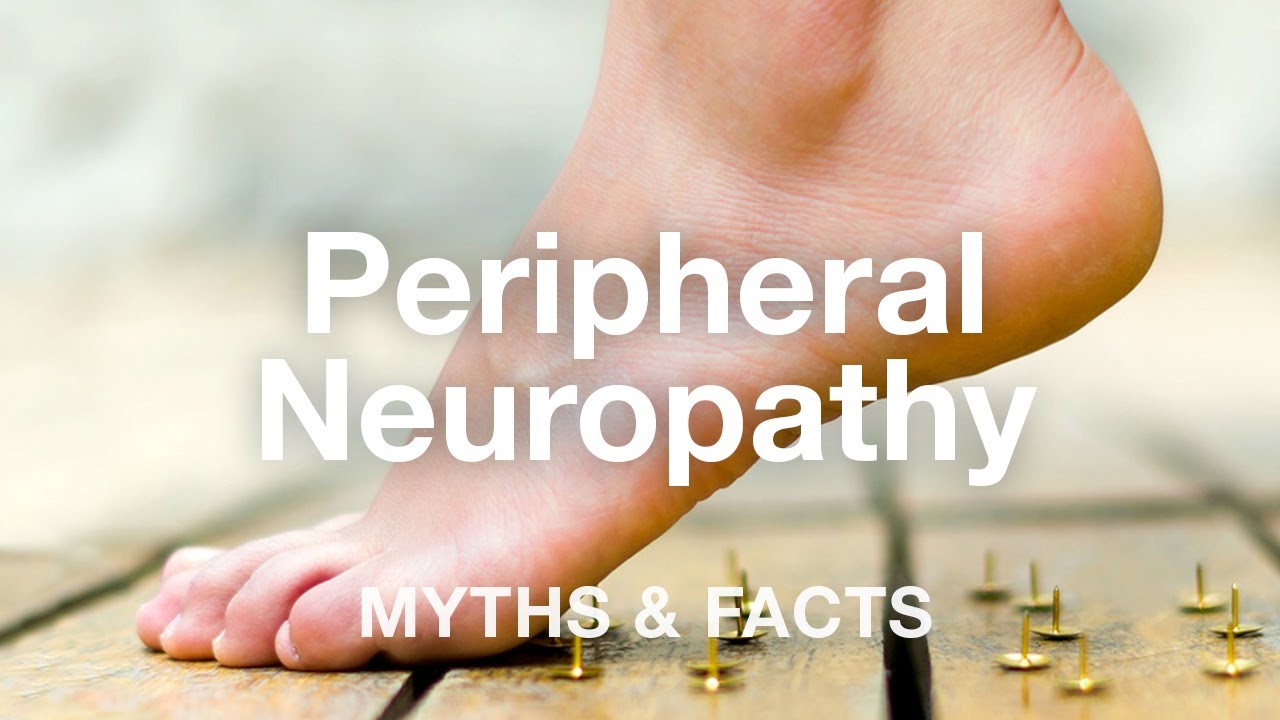
Peripheral neuropathy is the most common form. It usually starts in the feet and may later affect the hands. Many people first notice burning, tingling, numbness, pain, or weakness in the toes and soles of the feet. Because feeling is reduced, some people do not notice cuts, blisters, or pressure sores, which can become serious if ignored (Mayo Clinic, 2023; American Diabetes Association, n.d.).
Autonomic Neuropathy
Autonomic neuropathy affects the nerves controlling body systems that usually operate without conscious effort. Symptoms may include dizziness when standing, abnormal sweating, constipation, diarrhea, nausea, bladder problems, sexual dysfunction, or changes in heart rate and blood pressure. This type can significantly affect quality of life because it involves many daily bodily functions, such as digestion, cardiovascular regulation, and sexual health, which are essential for overall well-being (Mayo Clinic, 2023; American Diabetes Association, n.d.).
Focal Neuropathy
Focal neuropathy affects one nerve or a small nerve group. It can cause sudden weakness, pain, or loss of function in a specific area. A person may develop facial weakness, double vision, wrist pain from nerve compression, or pain in one area of the torso or thigh. Carpal tunnel syndrome is one common example of compression-related focal neuropathy (American Diabetes Association, n.d.).
Proximal Neuropathy
Proximal neuropathy often affects the hips, thighs, buttocks, or legs. It may begin with pain and later lead to weakness, especially in the upper legs. This can make standing up, climbing stairs, or walking more difficult. It is less common than peripheral neuropathy, but it can be very disabling when it occurs (American Diabetes Association, n.d.; Verywell Health, 2024).
Common Causes of Neuropathy
Neuropathy can develop from many different health problems. Diabetes is one of the most common causes. High blood sugar over time can damage nerves and the small blood vessels that support them. Infections, autoimmune diseases, injuries, exposure to toxins, certain medications, alcohol misuse, kidney disease, thyroid disease, and vitamin deficiencies can also lead to nerve damage. In some cases, no clear cause is found, and the condition is called idiopathic neuropathy (Mayo Clinic, 2023; NHS, n.d.-b; Yale Medicine, n.d.).
Common causes include:
-
Diabetes and prediabetes
-
Vitamin B12 and other nutritional deficiencies
-
Infections
-
Autoimmune disorders
-
Trauma or surgery
-
Repetitive compression injuries
-
Alcohol-related nerve damage
-
Certain chemotherapy drugs or other medicines
-
Toxin exposure
-
Hereditary nerve disorders
These causes matter because treatment works best when the underlying problem is found early and addressed directly (NHS, n.d.-b; Mayo Clinic, 2023).
Can Neuropathy Get Better?
This is one of the most important questions patients ask. The answer is that it depends on the cause, the severity, and how early treatment begins. Some forms of neuropathy are long-term and may not fully reverse. However, others can improve, stabilize, or even go away when the cause is corrected. Neuropathy linked to vitamin deficiencies, thyroid problems, infections, or certain autoimmune conditions may improve with treatment. Diabetic neuropathy may also stabilize or improve when blood sugar control gets better, especially if it is addressed early (NHS, n.d.-c; Achilles Neurology, 2024; Florida Medical Clinic, 2021).
In practical terms, many patients fall into one of these groups:
-
Reversible or partly reversible: vitamin deficiency, some infections, some medication-related cases, early metabolic causes
-
Manageable but often long-term: diabetic neuropathy, autoimmune neuropathy, chronic compression injuries
-
More difficult to reverse: long-standing nerve damage, inherited neuropathies, severe toxic nerve injury
Even when nerve damage cannot be completely repaired, symptoms can often be reduced, and function improved with a successful treatment plan (Yale Medicine, n.d.; NHS, n.d.-c).
Diagnosis and Treatment
A proper evaluation often includes a medical history, physical exam, symptom review, lab work, and sometimes nerve testing, such as EMG (electromyography) or nerve conduction studies, which measure muscle electrical activity and the speed of nerve signals. Skin biopsy or imaging may also be used in certain cases. The goal is not only to confirm neuropathy but also to determine why it is occurring (Mayo Clinic, 2023).
Treatment may include:
-
Managing the root cause, such as diabetes or infection
-
Correcting vitamin deficiencies
-
Changing or stopping an offending medication when appropriate
-
Using medications for nerve pain
-
Improving blood sugar control
-
Physical therapy or guided exercise
-
Foot care and skin protection
-
Fall prevention strategies
-
Lifestyle changes, such as smoking cessation and reducing alcohol use
Standard pain relievers do not always work well for neuropathic pain. Health systems such as the NHS note that prescription medicines aimed at nerve pain are often used instead (NHS, n.d.-a; Mayo Clinic, 2023).
The Role of Integrative Care
Integrative clinics may add supportive therapies to standard medical care. This can include nutritional counseling, exercise guidance, weight management, blood sugar support, and spine-focused treatment when biomechanical stress is part of the picture. Dr. Alexander Jimenez, DC, APRN, FNP-BC, describes a clinical model that combines chiropractic, functional medicine, rehabilitation, nutrition, and broader medical assessment to look at the whole patient rather than only the symptom list. His clinical observations emphasize root-cause review, detailed health assessment, and personalized care plans that may include functional nutrition, movement-based rehabilitation, and conservative spine care as part of a multidisciplinary strategy.
In Dr. Jimenez’s more recent observations on diabetic neuropathy, he notes that spinal alignment, reduction of nerve irritation, rehabilitation, and lifestyle-focused care may help support comfort, movement, and nerve function in selected patients. These observations should be understood as part of integrative supportive care, not a replacement for diagnosis and treatment of the underlying disease process. Patients with neuropathy still need a full medical workup to rule out diabetes, autoimmune disease, infection, medication effects, and nutritional problems (Jimenez, 2025; Mayo Clinic, 2023).
Integrative strategies may include:
-
Spinal and postural assessment
-
Targeted rehabilitation exercises
-
Nutritional counseling
-
Blood sugar and metabolic support
-
Functional medicine review of triggers and deficiencies
-
Weight-management support
-
Anti-inflammatory food planning
-
Stress and sleep support
This kind of multidisciplinary care may be especially helpful when nerve pain is mixed with musculoskeletal stress, poor posture, metabolic issues, or recovery needs. Still, treatment must stay evidence-informed and matched to the true cause of the neuropathy.
When to Seek Medical Help
Neuropathy should not be ignored. Early treatment may protect nerve function and reduce long-term problems. A person should seek medical care if numbness, tingling, burning pain, weakness, dizziness, loss of balance, or bladder and bowel changes are worsening or affecting daily activities. Immediate medical attention is especially important if symptoms start suddenly, affect only one side, or include rapid weakness, severe pain, falls, or signs of infection (Mayo Clinic, 2023; Yale Medicine, n.d.).
Final Thoughts
Neuropathy is nerve damage, but it is not all the same. Peripheral, autonomic, focal, and proximal neuropathies affect different parts of the body and can cause distinct symptoms. Diabetes is a leading cause, but infections, autoimmune diseases, injuries, medications, toxins, and nutritional deficiencies are also major contributors. Some cases are long-term, while others can improve when the underlying cause is treated early. Most patients benefit from a plan that addresses both the cause and the symptoms. In many settings, that plan may include a mix of medical care, nutrition, rehabilitation, and integrative support aimed at improving function and quality of life (Mayo Clinic, 2023; NHS, n.d.-a; Yale Medicine, n.d.).
References
-
Achilles Neurology. (2024). Peripheral neuropathy symptoms and treatments.
-
American Diabetes Association. (n.d.). Additional types of neuropathy.
-
American Diabetes Association. (n.d.). Peripheral neuropathy.
-
Jimenez, A. (2025). Chiropractic care and recovery for diabetic neuropathy.
-
Jimenez, A. (2021). Clinical implementation of functional nutrition.
-
Mayo Clinic. (2023). Peripheral neuropathy: Diagnosis and treatment.
-
Mayo Clinic. (2023). Peripheral neuropathy: Symptoms and causes.
Professional Scope of Practice *
The information herein on "The 4 Main Types of Neuropathy and Treatment Options" is not intended to replace a one-on-one relationship with a qualified health care professional or licensed physician and is not medical advice. We encourage you to make healthcare decisions based on your research and partnership with a qualified healthcare professional.
Blog Information & Scope Discussions
Welcome to El Paso's Premier Wellness and Injury Care Clinic & Wellness Blog, where Dr. Alex Jimenez, DC, FNP-C, a Multi-State board-certified Family Practice Nurse Practitioner (FNP-BC) and Chiropractor (DC), presents insights on how our multidisciplinary team is dedicated to holistic healing and personalized care. Our practice aligns with evidence-based treatment protocols inspired by integrative medicine principles, similar to those found on this site and our family practice-based chiromed.com site, focusing on restoring health naturally for patients of all ages.
Our areas of multidisciplinary practice include Wellness & Nutrition, Chronic Pain, Personal Injury, Auto Accident Care, Work Injuries, Back Injury, Low Back Pain, Neck Pain, Migraine Headaches, Sports Injuries, Severe Sciatica, Scoliosis, Complex Herniated Discs, Fibromyalgia, Chronic Pain, Complex Injuries, Stress Management, Functional Medicine Treatments, and in-scope care protocols.
Our information scope is multidisciplinary, focusing on musculoskeletal and physical medicine, wellness, contributing etiological viscerosomatic disturbances within clinical presentations, associated somato-visceral reflex clinical dynamics, subluxation complexes, sensitive health issues, and functional medicine articles, topics, and discussions.
We provide and present clinical collaboration with specialists from various disciplines. Each specialist is governed by their professional scope of practice and their jurisdiction of licensure. We use functional health & wellness protocols to treat and support care for musculoskeletal injuries or disorders.
Our videos, posts, topics, and insights address clinical matters and issues that are directly or indirectly related to our clinical scope of practice.
Our office has made a reasonable effort to provide supportive citations and has identified relevant research studies that support our posts. We provide copies of supporting research studies upon request to regulatory boards and the public.
We understand that we cover matters that require an additional explanation of how they may assist in a particular care plan or treatment protocol; therefore, to discuss the subject matter above further, please feel free to ask Dr. Alex Jimenez, DC, APRN, FNP-BC, or contact us at 915-850-0900.
We are here to help you and your family.
Blessings
Dr. Alex Jimenez DC, MSACP, APRN, FNP-BC*, CCST, IFMCP, CFMP, ATN
Email: [email protected]
Multidisciplinary Licensing & Board Certifications:
Licensed as a Doctor of Chiropractic (DC) in Texas & New Mexico*
Chiropractic Licenses:
Texas DC License #: TX5807, Verified: TX5807
New Mexico DC License #: NM-DC2182, Verified: NM-DC2182
Nurse Practitioner Licenses:
Texas APRN License #: 1191402, Verified: 1191402 *
New Mexico CNP License #: 90560, Verified 90560
Florida APRN License #: 11043890, Verified: APRN11043890 *
Colorado License #: C-APN.0105610-C-NP, Verified: C-APN.0105610-C-NP
New York License #: N25929, Verified N25929
Georgia APRN License #: GAA-NP005701
Multi-State Advanced Practice Registered Nurse (APRN*) Texas & Multi-States
Multi-state Compact APRN License by Endorsement (43 States)
Compact Status: Multi-State License: Authorized to Practice in 43 States*
Nursing Licensure Compact: Updated Here
DEA Registration: (Drug Enforcement Agency Registered)
All medical (MDs) and family practice providers (FNP-APRN) are registered and licensed to offer various levels of medication.
Verify Providers Here
License Verification Link: Nursys License Verifier
* Prescriptive Authority Authorized (DEA Registered Providers). Call if Required
Board Certification:
ANCC FNP-BC: Board Certified Nurse Practitioner*
Education:
Graduate with Honors: ICHS: MSN-FNP (Family Nurse Practitioner Program)
Degree Granted. Master's in Family Practice, MSN Diploma (Cum Laude)
Dr. Alex Jimenez, DC, APRN, FNP-BC*, CFMP, IFMCP, ATN, CCST
(Board Certified: Family Practice Nurse Practitioner—Multistate)*
(Licensed Nurse Practitioner & Chiropractor - Multistate)*
Clinical Director
DC & FNP License (Review Above)
Digital Business Card
NPI: 1205907805
Dr. Maria Cardenas, MD
(Board Certified: Internal Medicine)
(Licensed Medical Doctor)
Medical Director, Clinical Director & Collaborative Physician
NPI # 1164426748
MD License #: J2933
Licenses and Board Certifications:
MD: Medical Doctor
DC: Doctor of Chiropractic
APRNP: Advanced Practice Registered Nurse
FNP-BC: Family Practice Specialization (Multi-State Board Certified)
FNP-BC: Family Practice Across Life Span (Neonatal to Geriatrics)
RN: Registered Nurse (Multi-State Compact License)
CFMP: Certified Functional Medicine Provider
MSN-FNP: Master of Science in Family Practice Medicine
MSACP: Master of Science in Advanced Clinical Practice
IFMCP: Institute of Functional Medicine
CCST: Certified Chiropractic Spinal Trauma
ATN: Advanced Translational Neutrogenomics
Family with Primary Care Focus (Family Nurse Practitioner or FNP)
- The Family Nurse Practitioner (FNP) promotes, maintains, and restores health for individuals and families across the lifespan. FNPs also identify health risks, promote wellness, and diagnose and manage acute and chronic illness.
- The FNP focuses on comprehensive primary care, promoting healthy lifestyles for patients across the lifespan in settings such as private practice, physician offices, and community health centers.
Memberships & Associations:
TCA: Texas Chiropractic Association: Member ID: 104311
TNA: Texas Nurse Association: Member ID: 06458222
TNP: Texas Nurse Practitioner Association ID: 2025091511
AANP: American Association of Nurse Practitioners: Member ID: 2198960
ANA: American Nurses Association: Member ID: 06458222 (District TX01)
| Primary Taxonomy | Selected Taxonomy | State | License Number |
|---|---|---|---|
| No | 111N00000X - Chiropractor | NM | DC2182 |
| Yes | 111N00000X - Chiropractor | TX | DC5807 |
| Yes | 363LF0000X - Nurse Practitioner - Family | TX | 1191402 |
| Yes | 363LF0000X - Nurse Practitioner - Family | FL | 11043890 |
| Yes | 363LF0000X - Nurse Practitioner - Family | CO | C-APN.0105610-C-NP |
| Yes | 363LF0000X - Nurse Practitioner - Family | NY | N25929 |
| Yes | 363LF0000X - Nurse Practitioner - Family | NM |
90560 |
| Yes | 363LF0000X - Nurse Practitioner - Family | GA | GAA-NP005701 |
Dr. Alex Jimenez, DC, APRN, FNP-BC*, CFMP, IFMCP, ATN, CCST
(Board Certified: Family Practice Nurse Practitioner—Multistate)*
(Primary Care Across Lifespan—Neonatal / Pediatric / Adult / Geriatrics)
(Licensed Nurse Practitioner & Chiropractor - Multistate)*
Clinical Director
Digital Business Card
NPI: 1205907805
Dr. Maria Cardenas, MD
(Board Certified: Internal Medicine)*
(Licensed Medical Doctor)*
Medical Director, Clinical Director & Collaborative Physician
NPI # 1164426748
MD License #: J2933
📆 Schedule Appointment: Schedule 24/7 (Click Here)