Can healthcare professionals provide the best non-surgical therapeutic options for individuals with chronic low back pain?
Introduction
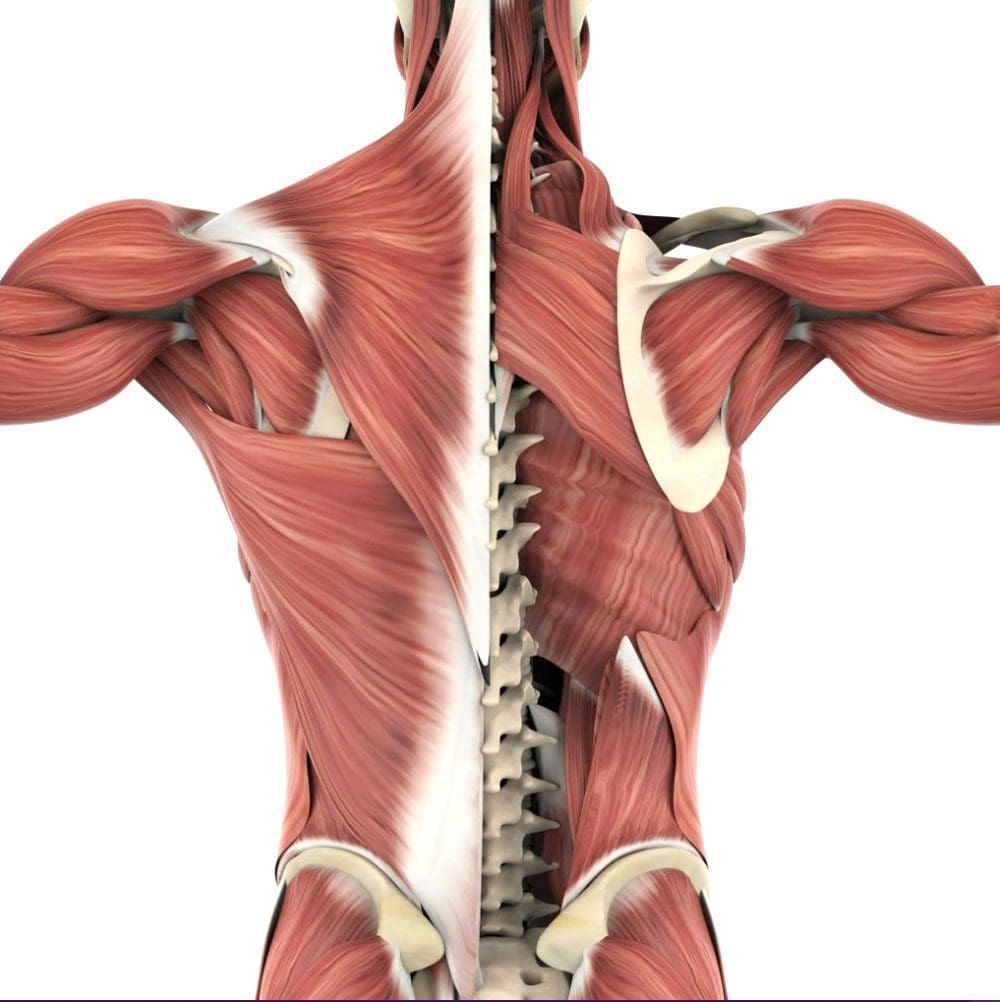
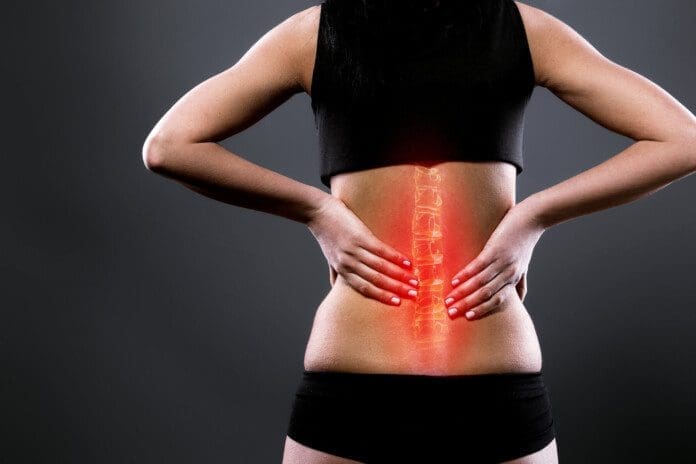
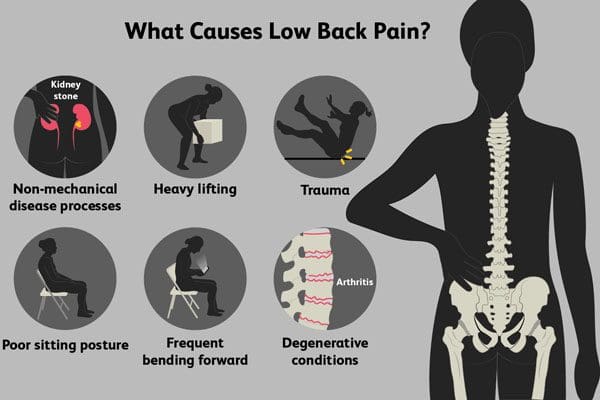
Chronic low back pain can happen to numerous individuals, affecting their daily routine and making them miss out on important life events. With the ever-changing world, many individuals, especially working individuals, will experience chronic low back pain at some point due to unbearable stress that seems to affect the surrounding muscles that protect the lumbar spine. This causes many individuals to overstretch or shorten the muscles that are contributing to lower back pain, which can be the causing factor in the development of lower back pain. At the same time, when individuals suffer from low back pain, it can be imposed as a grave economic cost to society. (Pai & Sundaram, 2004) This, in turn, causes many individuals to miss out on work and be financially burdened as the cost of chronic low back pain treatment is high. However, numerous therapeutic options are cost-effective, safe, and effective in reducing chronic low back pain. Today’s post looks at the effects of chronic low back pain and how many individuals can look at various non-surgical options that many individuals can utilize to reduce chronic low back pain. Coincidentally, we communicate with certified medical providers who incorporate our patients’ information to provide various treatment plans to reduce chronic low back pain. We also inform them that there are non-surgical options to reduce the pain-like symptoms associated with the factors that cause chronic lower back pain. We encourage our patients to ask amazing educational questions to our associated medical providers about their symptoms correlating with body pain in a safe and positive environment. Dr. Alex Jimenez, D.C., incorporates this information as an academic service. Disclaimer
The Effects Of Chronic Low Back Pain
Have you been dealing with chronic pain that flares up in your lower back after a hard workday? Do you feel muscle aches or pains that don’t relieve itself after a day of rest? Or do you and your loved ones take any medication to temporarily relieve your back pain, only to have it come back after a few hours? Many people with chronic low back pain will feel symptoms of stiffness, muscle aches, and radiating pain traveling to their lower extremities. When chronic low back pain is associated with musculoskeletal conditions, it can impact their daily routine. To that point, musculoskeletal disorders correlating with chronic low back pain can encompass a spectrum of conditions and increase naturally over time. (Woolf & Pfleger, 2003) When many individuals are dealing with chronic low back pain, it can become a socio-economic burden that leads to disability. (Andersson, 1999) However, there are numerous options for individuals with chronic lower back pain who can find the relief they need to reduce its effects and will be able to get back to their daily routine.
Understanding Long-Lasting Injuries- Video
Chronic low back pain is when back pain that lasts longer than a few weeks and is one of the most common problems many people experience. When finding relief for chronic low back pain, many individuals will try home remedies to alleviate the pain. However, it can temporarily relieve the issue and mask the symptoms. When individuals see their primary doctor for chronic low back pain, many will seek a personalized plan to reduce chronic low back pain and its associated symptoms. When relieving chronic low back pain, comprehensive pain management treatments often rely on physical therapy, multidisciplinary approaches, and non-surgical options to reduce chronic low back pain. (Grabois, 2005) When understanding how the individual has chronic low back pain, it is important to identify the causes and how it can cause lifelong injuries that can develop into disability. When primary doctors start to utilize non-surgical treatments in their practices, many individuals can find the benefits of non-surgical treatments as they are cost-effective, safe, and gentle on the spine and lumbar region and can be personalized with associated medical providers to reduce pain-like symptoms correlating with chronic low back pain. Check out the video above to learn more about how non-surgical treatments can help reduce chronic low back pain and help revitalize a person’s body through a personalized treatment plan.
Non-Surgical Options For Chronic Low Back Pain
When treating chronic low back pain, non-surgical treatments effectively relieve pain and restore mobility to the back. Non-surgical treatments can be customized to the individual’s pain severity while being cost-effective. When individuals are evaluated for chronic low back pain, they are provided with many healthcare providers to reduce the pain-like symptoms caused by chronic low back pain. (Atlas & Deyo, 2001) Many individuals will incorporate various treatment options like:
- Exercises
- Spinal Decompression
- Chiropractic care
- Massage Therapy
- Acupuncture
Many of these treatments are non-surgical and incorporate various mechanical and manual manipulation techniques to stretch and strengthen the weak back muscles, elongate the spine through realignment, and help restore movement while reducing symptoms in the lower extremities. When individuals incorporate non-surgical treatments consecutively, they will have a positive experience and feel better in the long run. (Koes et al., 1996)
References
Andersson, G. B. (1999). Epidemiological features of chronic low-back pain. Lancet, 354(9178), 581-585. https://doi.org/10.1016/S0140-6736(99)01312-4
Atlas, S. J., & Deyo, R. A. (2001). Evaluating and managing acute low back pain in the primary care setting. J Gen Intern Med, 16(2), 120-131. https://doi.org/10.1111/j.1525-1497.2001.91141.x
Grabois, M. (2005). Management of chronic low back pain. Am J Phys Med Rehabil, 84(3 Suppl), S29-41. https://www.ncbi.nlm.nih.gov/pubmed/15722781
Koes, B. W., Assendelft, W. J., van der Heijden, G. J., & Bouter, L. M. (1996). Spinal manipulation for low back pain. An updated systematic review of randomized clinical trials. Spine (Phila Pa 1976), 21(24), 2860-2871; discussion 2872-2863. https://doi.org/10.1097/00007632-199612150-00013
Pai, S., & Sundaram, L. J. (2004). Low back pain: an economic assessment in the United States. Orthop Clin North Am, 35(1), 1-5. https://doi.org/10.1016/S0030-5898(03)00101-9
Woolf, A. D., & Pfleger, B. (2003). Burden of major musculoskeletal conditions. Bull World Health Organ, 81(9), 646-656. https://www.ncbi.nlm.nih.gov/pubmed/14710506
https://www.ncbi.nlm.nih.gov/pmc/articles/PMC2572542/pdf/14710506.pdf