“Individuals experiencing headaches on top of the head could be caused by different factors. Can recognizing what triggers pain or pressure help prevent this type of headache, and healthcare providers develop effective treatment plans?”
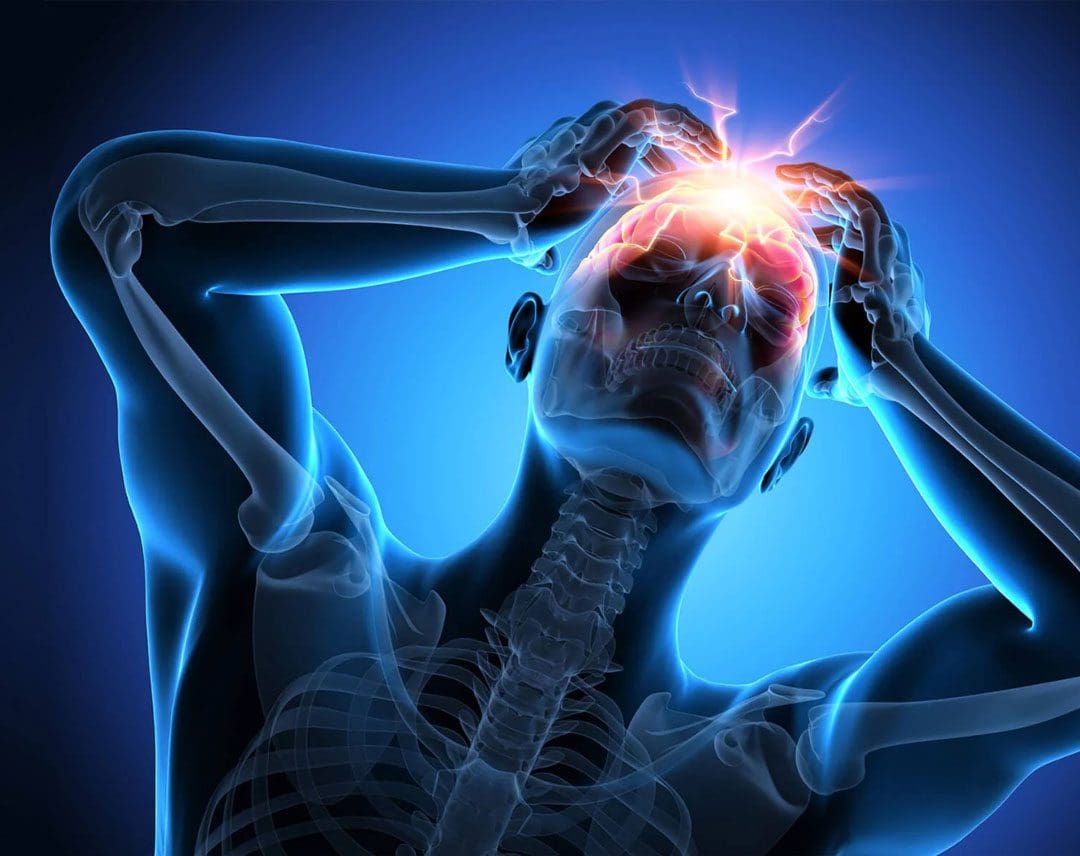
Headache On Top of The Head
Various factors could cause a headache on top of the head; common causes include:
- Stress
- Sleep problems
- Eye strain
- Caffeine withdrawal
- Dental problems
- Hormonal changes
- Alcohol consumption
Causes
Many causes have to do with underlying issues happening in other parts of the body.
Stress
- Stress is a common cause of headaches, including one on top of the head.
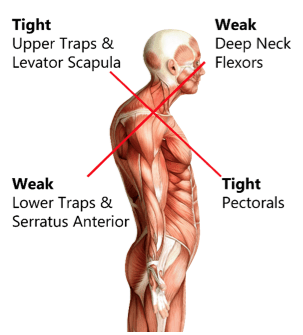
- Researchers don’t know exactly how stress causes headaches, but they think it causes tightening of the muscles in the back of the head or neck, which
- pulls the tissues down, resulting in pain or pressure in the scalp and/or forehead area.
- These are also called tension headaches.
- Headaches caused by stress generally feel like dull pressure rather than throbbing pain.
Sleep Problems
- Not getting enough sleep can induce a headache on top of the head.
- When the mind and body do not get proper sleep, it can interfere with body functions like temperature, hunger, and sleep-wake cycles, which can lead to headaches.
- It is common to feel more stressed when sleep-deprived, which can cause or compound a headache and other symptoms.
Eye Strain
- You may develop a headache on the top of your head after you’ve been reading, watching, or otherwise focusing on something for a while.
- Over time, your eye muscles tire and have to work harder, causing them to contract.
- These spasms can lead to headaches. Squinting can make the muscle contractions even worse.
Caffeine Withdrawl
- Individuals may feel pain on the top of their heads if they skip their regular coffee.
- Regular caffeine consumption can lead to dependency and withdrawal symptoms, which include headaches when intake is reduced or stopped.
- This type of headache can be moderate to severe and can feel worse with activity.
- Most individuals start to feel better from caffeine withdrawal after a week. (World Health Organization. 2016)
Dental Problems
- Teeth issues like cracks, cavities, or impaction can irritate the trigeminal nerve, setting off head pain.
- Teeth grinding can also lead to headaches.
Hormonal Changes
- Individuals who have a low level of thyroid hormone may experience headaches.
- This could be from having too little thyroid or a symptom of the condition.
- Like stress-induced headaches, this type is generally dull and not throbbing.
- Some women may feel pain on the top of their heads before menstruation triggered by estrogen levels dropping.
Alcohol
- Some individuals develop a headache on the top of their head or elsewhere within a few hours after drinking alcohol.
- This is known as a cocktail headache.
- Alcohol-induced headaches usually resolve within 72 hours.
- The mechanism behind this headache is not fully researched, but it’s been thought that the widening of blood vessels in the brain/vasodilation when consuming alcohol may trigger head pain.
- This type of headache is different than a hangover headache that comes from overconsumption and is based on dehydration and the toxic effects of alcohol. (J G Wiese, M. G. Shlipak, W. S. Browner. 2000)
Rare Causes
Top-of-the-head pain can also result from more serious and rare causes:
Brain Tumor
- Headaches are one of the most common symptoms of brain tumors.
- A headache on the top of the head depends on the location and size of the tumor. (MedlinePlus. 2021)
Brain Aneurysm
- This is a weak or thin area in a brain artery that bulges and fills with blood, which can cause a life-threatening rupture.
- Headaches are the most common symptom. (Brigham and Women’s Hospital. 2023)
Brain Bleed
- Also known as a brain hemorrhage, this condition can cause intensely painful and quick headaches.
- Brain bleeds can be caused by head trauma, high blood pressure, an aneurysm, a bleeding disorder, or liver disease. (New York-Presbyterian. 2023)
Treatment
Treatment for reducing a headache on top of the head includes:
- Putting an ice bag over the area to reduce inflammation.
- Getting an eye examination.
- Making healthy lifestyle adjustments like drinking more water throughout the day.
- Less caffeine intake.
- Changing sleep patterns for a healthier, rested mind and body.
- Taking a therapeutic bath to relax the body.
- Gentle exercises like walking, pilates, or yoga.
- Practicing deep breathing.
- Mindfulness exercises like meditation.
- Taking non-steroidal anti-inflammatory medication or NSAIDs like aspirin, Advil/ibuprofen), or Aleve/naproxen.
Depending on the cause and symptoms, a doctor may suggest specialist treatment options like:
- Physical therapy
- Cognitive behavioral therapy
- Chiropractic therapy
- Acupuncture
- Prescription medication
A medical professional will be able to help identify the type of headache being experienced, offer treatment options, and advise on how to manage triggers.
Neck Injuries, El Paso, Texas
References
World Health Organization. (2016) Headache disorders.
Wiese, J. G., Shlipak, M. G., & Browner, W. S. (2000). The alcohol hangover. Annals of internal medicine, 132(11), 897–902. https://doi.org/10.7326/0003-4819-132-11-200006060-00008
MedlinePlus. (2021) Brain tumor.
Brigham and Women’s Hospital. (2023) Brain aneurysm.
New York-Presbyterian. (2023) Brain hemorrhage.