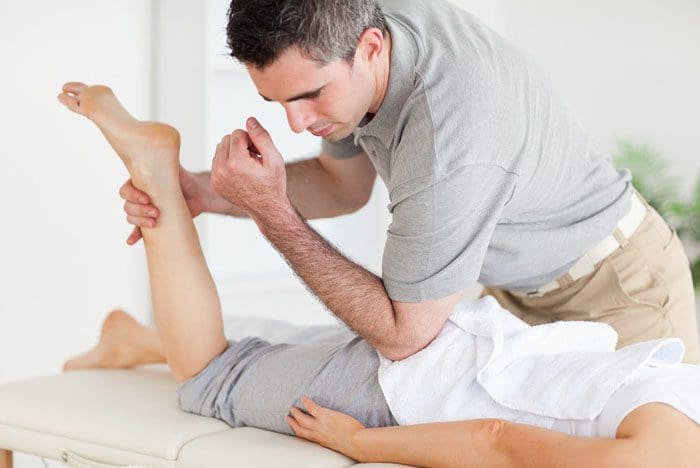
partial view of female massage therapist doing massage to patient on massage table in clinic
The feet are the foundation of the body. The feet carry the body’s entire weight allowing for movement with ease. The feet are a complex structure that consists of:
Bones
Joints
Muscles
Ligaments
Tendons
Nerve endings
Because of this, the feet are a high-impact area taking the everyday forces that come from:
Balancing
Walking
Running
Stopping
Twisting
Shifting positions
Tiptoe reaching
Table of Contents
Common Symptoms
Symptoms commonly caused by foot issues include:
Soreness
Stiffness
Leg pain
Muscle Weakness
Poor balance
Flat feet, fallen arches, injuries, bone spurs, and other issues can cause problems with the rest of the body. The most common are:
Back Problems
When foot issues are present it’s common to change walking postures to avoid pain and discomfort. Individuals often do not realize they are doing it until the awkward postures begin to present with pain and discomfort. Overcompensation combined with unhealthy walking patterns can cause back pain. This is because the spine is becoming misaligned. Balance of the body is crucial. When something shifts the proper balance, the whole spine can shift out of alignment. This is especially true for individuals with flat feet. Flat feet can cause the ankle/s to lose alignment. This leads to problems up the body, from the knees to the hips to the spine and neck.
Joint Pain
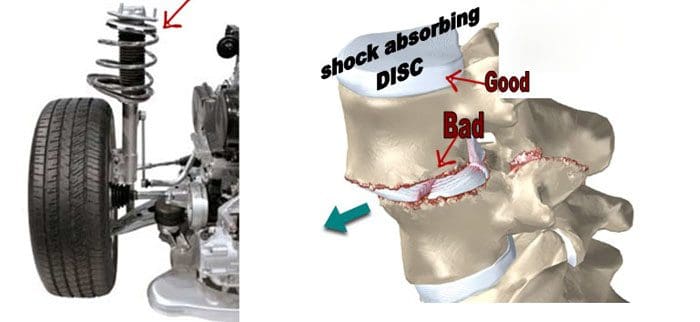
Imbalances cause the feet and spine to not absorb shocks from everyday activity properly. This means the rest of the body, especially the joints, have an added job of absorbing the shock/impact. As time goes on the stress and shock can lead to severe ankle, knee, hip discomfort/pain, and malfunctions.
Posture Imbalance
These misalignments cause imbalance and posture problems. When the feet have lost the proper anchoring and alignment, overall posture and balance become affected. This increases the risk for dangerous slip and fall accidents that can exacerbate or cause new injuries.Posture problems are usually the result of the body trying to redistribute weight to reduce the pain and because it works then becomes a bad habit.
Referred and Radiating Pain
The muscles, tendons, and ligaments of the feet connect to the rest of the body. Any pain/issues like calf pain or weakness in the feet can begin to present in the lower leg since that is where the soft tissue is most closely connected.
Foot Problems/Issues
The most common foot problems podiatrists see that lead to the aforementioned ailments.
Flat Feet
Flat feet also known as fallen arches. This is a condition where the feet lack or have lost the arch when standing. This can be quite uncomfortable and creates weight distribution problems. It can be a genetic condition but is also be the result of wearing shoes without arch support for a prolonged time.
Corns and Bunions
Corns are round circles of thick skin on the toes, or on the soles of the feet. The body forms them naturally to prevent blisters, but they could be the result of poorly fitting shoes. Typically they are not painful when they form, but can become irritated over time. Bunions are bumps on the side of the big toe that can cause a bending inward toward the other toes, creating a painful angle. This can cause severe irritation and inflammation in the bump and toes. These can be genetic or caused by structural problems. But they can be caused by tight-fitting shoes or excess pressure on the feet for prolonged periods.
Hammertoe
Hammertoe, also known as mallet toe, is a condition that makes one or more of the toes pointing down rather than straight. Walking can cause pain, and movement of the toe can reduce or stop completely. This is caused by arthritis or an injury, it can be genetic, or the result of poor footwear.
Plantar Fasciitis
This condition causes pain that goes from the bottom of the heel to the middle of the foot. It is caused by inflammation of the plantar fascia ligament also located in this area. There is a wide range of pain levels that can range from dull to stabbing. It is often caused by poor footwear with no arch support that has been worn for long periods when walking, standing, and running. Weight gain is another cause, as the added weight could be too much for the foot to manage, causing strain.
Shoes
Individuals that wear high heels, shoes that are the wrong size, or other uncomfortable footwear consistently will more likely develop the aforementioned issues. Shoes with proper support are essential to optimal foot and body health because they evenly distribute the weight of the body lessening the impact from everyday activities.
Foot Orthotics
Another recommended option for alleviating foot issues is custom foot orthotic inserts. These can be fit into any shoe, and are customized to an individual’s feet. They’re affordable, and allow individuals to wear their shoes without pain.
Chiropractic & Physical Therapy
Chiropractic and physical therapy can help alleviate the pain that is resultant from foot problems. Seeing a podiatrist can treat the root cause of the condition, but the rest of the body could need chiropractic readjusting from the misalignment/s.
Custom Orthotics
Heat-related illnesses
Heat-related illnesses vary in their severity, but even light symptoms need immediate action to correct the problem before it does become severe.
Heat cramps
When exercising in the heat painful cramps can present. The affected muscle/s might feel hard, spasm, or generate sharp pain. The body temperature could still be within normal limits.
Heat syncope
Syncope is a loss of consciousness, that is usually recognized as exercise-related collapse. However, before this happens, there may be a feeling of lightheadedness or fainting. This happens when temperatures are high and the individual has been standing or exercising for a long time. The same can occur when standing up quickly after sitting for a long time.
Heat exhaustion
Heat exhaustion happens when the body temperature exceeds normal limits and rises as high as 104. This can cause nausea, weakness, cold, fainting, headaches, and vomiting. The body continues to sweat, but the skin may feel cold and clammy.
Heatstroke and Sunstroke
Heat exhaustion untreated leads to heatstroke or sunstroke. The body’s core temperature is greater than 104 degrees and in a life-threatening emergency. The skin is no longer capable of sweating and can feel dry or moist. Individuals can become confused, irritable, and experience heart arrhythmias. Immediate medical emergency treatment is necessary to stop brain damage, organ failure, and death.
Disclaimer
The information herein is not intended to replace a one-on-one relationship with a qualified health care professional, licensed physician, and is not medical advice. We encourage you to make your own health care decisions based on your research and partnership with a qualified health care professional. Our information scope is limited to chiropractic, musculoskeletal, physical medicines, wellness, sensitive health issues, functional medicine articles, topics, and discussions. We provide and present clinical collaboration with specialists from a wide array of disciplines. Each specialist is governed by their professional scope of practice and their jurisdiction of licensure. We use functional health & wellness protocols to treat and support care for the musculoskeletal system’s injuries or disorders. Our videos, posts, topics, subjects, and insights cover clinical matters, issues, and topics that relate to and support, directly or indirectly, our clinical scope of practice.* Our office has made a reasonable attempt to provide supportive citations and has identified the relevant research study or studies supporting our posts. We provide copies of supporting research studies available to regulatory boards and the public upon request. We understand that we cover matters that require an additional explanation of how it may assist in a particular care plan or treatment protocol; therefore, to further discuss the subject matter above, please feel free to ask Dr. Alex Jimenez or contact us at 915-850-0900.
Dr. Alex Jimenez DC, MSACP, CCST, IFMCP, CIFM, CTG* email: [email protected] phone: 915-850-0900 Licensed in Texas & New Mexico
Beautiful fit woman eating healthy food after fitness workout
Eating healthy and spinal health are interconnected. Eating healthier will help to lose weight, and provide a healthier body mass index. This means more muscle mass, especially when integrated with more protein. The spine sustains and supports the whole torso and upper body. When weight increases in these areas it can cause an array of issues like subluxations, curvature problems, sciatica, and more. The extra muscle mass takes the added stress from any extra weight off of the spine. Strong muscles can carry the weight of the body, taking the pressure off the spine and keeping it healthy, and operating in top form.
Table of Contents
Making Healthy Adjustments
No matter where an individual is on their healthy eating plan, there are common practices that work for many and helps improve their diet. This involves integrating healthy food groups into the diet in different ways, and not giving up when mistakes are made, but learning from them. When developing new healthy habits it takes time, diligence, practice, and research to eat the right foods.
Fruits and Veggies
It is easier and tastier to forget the nutritious foods and go for the carbs, fats, etc. Rather than trying to add more vegetables, or eating fruit as a snack every day can be tough. An easier, and better way to integrate fruits and vegetables into one’s diet is to substitute the carbs and fats for fruits and veggies in the main meals every day.
This could be spiralized zucchini, squash, or no-carb spaghetti instead of pasta spaghetti.
Instead of ice cream try real fruit sorbet.
Mashed cauliflower instead of white rice or mashed potatoes.
There are plenty of substitutes that are healthier and just as tasty and as the real thing.
Healthy recipes out there that can give you ideas on how to do this.
The benefit of substituting fruits and vegetables, rather than just adding them to a diet is individuals increase their health by reducing unhealthy dietary elements and adding healthy new ones at the same time. However, this does not mean doing it all at once. The goal is to gradually substitute these nutritious foods into everyday dishes for maximum health benefits.
More Fiber and Protein
It is important that the body gets enough fiber and protein as a healthy energy source. Many individuals can become dependent on:
Ingesting unhealthy foods all day every day takes a significant toll on the body. This includes:
Blood sugar
Weight
Energy
Mood
Fiber and protein are important because the two regulate the body’s systems to promote healthy bodily functions.Fiber helps the digestive system and regulates carbohydrate breakdown. This means the energy obtained from any carb will last longer and will not increase blood sugar when integrated with fiber. Most individuals know that protein builds muscle. But it also makes the body feel full much longer than carbs or sugars do. This allows for natural regulation of how much is eaten during the day so an individual does not eat more than the body needs. Carbs and sugars are not filling and can become addictive. This means that they can be eaten all day long without feeling full and just load up with empty calories. A few ways to integrate fiber and protein into a diet:
Breakfast
Eggs
Turkey bacon
Whole wheat/multigrain toast
Lunch
Whole wheat wrap or sandwich
Dinner
Brown rice and beans are loaded with protein and fiber.
A great substitution for vegetarians/vegans for more protein or fiber
Reduce Sugar Intake
Reducing sugar intake or switching to balanced sugars from fruits, yogurt, etc. A diet high in sugar can wreck the body, causing:
Weight gain
Mood swings
Overeating
Other unhealthy effects
Sugar is fine when practiced in moderation. But when it becomes a daily habit, that’s when it can start affecting the body. The objective is to drink more water, and use substitutions when cravings present. Try:
Yogurt instead of ice cream
Healthy fruit drinks instead of soda
Tea instead of wine
Keep the indulgences to once or twice a week if possible.
Eating Healthy Benefits
A few of the benefits from eating healthy that will improve quality of life:
Improved digestive health
Weight loss
Reduced to no back pain
Reduced to no foot pain
Healthy sleep patterns
Less fatigue
Improved focus
Improved brain health
Clear skin
Reduced to no irritability
Body Composition
New Health Issues
Steady weight gain throughout life can lead to adult diabetes. This is brought on by more body fat and muscle loss. Loss of skeletal muscle mass is linked to insulin resistance. The less muscle is available, the less insulin sensitive the body becomes. Loss of muscle can cause other problems with age. One damaging condition, especially for women, is osteoporosis. This happens when old bone is reabsorbed rather than new bone being created. Both men and women can have decreased muscle mass with thinner, weaker bones. This increases the risk of osteoporosis and the risk of serious injury from falls. Prevention includes
Eat sufficient protein throughout the day. It is often best to space out protein intake across meals and not consume all at once to ensure the proper amount is being met daily. Regular body composition monitoring can help. The goal is to minimize muscle mass loss and fat mass gain as the body ages.
Disclaimer
The information herein is not intended to replace a one-on-one relationship with a qualified health care professional, licensed physician, and is not medical advice. We encourage you to make your own health care decisions based on your research and partnership with a qualified health care professional. Our information scope is limited to chiropractic, musculoskeletal, physical medicines, wellness, sensitive health issues, functional medicine articles, topics, and discussions. We provide and present clinical collaboration with specialists from a wide array of disciplines. Each specialist is governed by their professional scope of practice and their jurisdiction of licensure. We use functional health & wellness protocols to treat and support care for the musculoskeletal system’s injuries or disorders. Our videos, posts, topics, subjects, and insights cover clinical matters, issues, and topics that relate to and support, directly or indirectly, our clinical scope of practice.* Our office has made a reasonable attempt to provide supportive citations and has identified the relevant research study or studies supporting our posts. We provide copies of supporting research studies available to regulatory boards and the public upon request. We understand that we cover matters that require an additional explanation of how it may assist in a particular care plan or treatment protocol; therefore, to further discuss the subject matter above, please feel free to ask Dr. Alex Jimenez or contact us at 915-850-0900.
Dr. Alex Jimenez DC, MSACP, CCST, IFMCP, CIFM, CTG*
email: [email protected]
phone: 915-850-0900
Licensed in Texas & New Mexico
References
Cena, Hellas, and Philip C Calder. “Defining a Healthy Diet: Evidence for The Role of Contemporary Dietary Patterns in Health and Disease.” Nutrients vol. 12,2 334. 27 Jan. 2020, doi:10.3390/nu12020334
Locke, Amy et al. “Diets for Health: Goals and Guidelines.” American family physician vol. 97,11 (2018): 721-728.
Warensjö Lemming, Eva, and Liisa Byberg. “Is a Healthy Diet Also Suitable for the Prevention of Fragility Fractures?.” Nutrients vol. 12,9 2642. 30 Aug. 2020, doi:10.3390/nu12092642
Young woman during the medical consultation with rehab at the rehabilitation gym
Brain fog, memory problems, concentration, and the inability to form clear thoughts is an issue that many will face at some point. The progression of losing the ability to focus or think clearly can lead to decreased productivity with normal daily tasks, work, or taking care of a household. It can be a short-term issue experience caused by sleep deprivation or stress. However, if these issues are allowed to continue it can negatively change an individual’s quality of life.
Table of Contents
Affected Productivity Factors
Causes that can lead to poor productivity include:
The underlying issue/s associated with brain function and the ability to focus are connected to the spine being out of alignment. Individuals often have poor spinal alignment without even realizing it is happening. It affects the body’s blood and nerve transmitting abilities to complete normal daily tasks. Chiropractic treatment is an expert-based approach that focuses on restoring spinal alignment to increase an individual’s health and brain function. Proper spinal alignment allows the nerves to relay messages clearly and optimally through the spinal cord to the brain. This allows for:
Clear thinking
Improved memory
Better decision making
Staying focused on tasks
Chiropractic Optimal Nerve Flow
When the central nervous system/brain/spinal cord is not transmitting properly it can lead to significant issues with concentration and productivity. When nerve energy and brain function is optimized productivity is improved. Research has shown that chiropractic can help:
Reduce the risk of disease
Prevent injuries
Prevent pain conditions
Improved quality of life
Chiropractic medicine can increase the ability to focus, optimize brain health, and more.
Body Composition
Tracing the sources of fatigue
There is a difference between being tired periodically from a long day and being tired daily. Being tired daily is also known as Chronic Fatigue Syndrome. This is a fatigue condition that has lasted longer than 6 months. It is typical to experience many of the symptoms of fatigue that disrupt the ability to achieve health goals like:
Weight loss
Muscle gain
Maintaining body weight
Symptoms include:
Constantly tired
Reduced appetite
Moodiness
Reaction time slows down
Memory Loss
Dizziness
The nature of hectic daily schedules can allow sources of fatigue to pile up. The objective is to find a balance between home, work, physical activity, diet, etc. Chiropractic medicine and health coaching can help develop an optimal plan to get healthy.
Disclaimer
The information herein is not intended to replace a one-on-one relationship with a qualified health care professional, licensed physician, and is not medical advice. We encourage you to make your own health care decisions based on your research and partnership with a qualified health care professional. Our information scope is limited to chiropractic, musculoskeletal, physical medicines, wellness, sensitive health issues, functional medicine articles, topics, and discussions. We provide and present clinical collaboration with specialists from a wide array of disciplines. Each specialist is governed by their professional scope of practice and their jurisdiction of licensure. We use functional health & wellness protocols to treat and support care for the musculoskeletal system’s injuries or disorders. Our videos, posts, topics, subjects, and insights cover clinical matters, issues, and topics that relate to and support, directly or indirectly, our clinical scope of practice.* Our office has made a reasonable attempt to provide supportive citations and has identified the relevant research study or studies supporting our posts. We provide copies of supporting research studies available to regulatory boards and the public upon request. We understand that we cover matters that require an additional explanation of how it may assist in a particular care plan or treatment protocol; therefore, to further discuss the subject matter above, please feel free to ask Dr. Alex Jimenez or contact us at 915-850-0900.
Dr. Alex Jimenez DC, MSACP, CCST, IFMCP, CIFM, CTG*
email: [email protected]
phone: 915-850-0900
Licensed in Texas & New Mexico
References
Craniocervical Junction Disorder. USC Spine Center Web site. http://spine.keckmedicine.org/treatments-services/craniocervical-junction-disorder/. Accessed August 25, 2017.
Anderson, Brian, and Adam Pitsinger. “Improvement in chronic muscle fasciculations with dietary change: a suspected case of gluten neuropathy.” Journal of chiropractic medicine vol. 13,3 (2014): 188-91. doi:10.1016/j.jcm.2014.01.002
Ross, Amanda J, et al. “What is brain fog? An evaluation of the symptom in postural tachycardia syndrome.” Clinical autonomic research: official journal of the Clinical Autonomic Research Society vol. 23,6 (2013): 305-11. doi:10.1007/s10286-013-0212-z
Close-up of physiotherapist doing manual treatment to a young woman with spine problems
When a machine isn’t working correctly because the mechanism’s parts have slipped, shifted, become loose, and are on the verge of breaking down, an expert/professional is called in to repair the damaged parts. The same can be said of the spine. From all the movement at home, work, shopping, activities the spine also compresses and falls out of place becoming misaligned. That’s when individuals need to call a chiropractor to repair/realign the spine. The spine is an integral component of the body’s functionality and health. This includes:
For the spine to operate at its best proper alignment is necessary. The spine is impacted by everyday activities that shift, jolt, bounce, and stress the spine. Exacerbating the regular wear and tear includes:
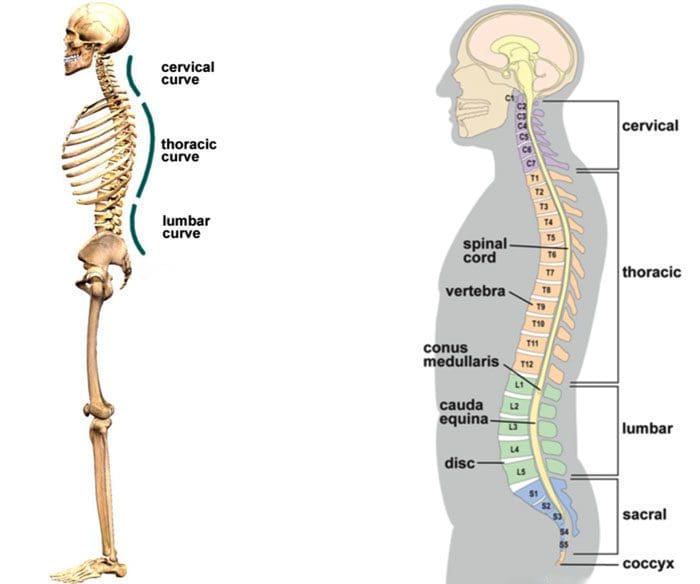
The head, shoulders, and spinal curves align from the side in general creating an S shape
Every individual’s spine varies significantly. This is why a professional chiropractic examination, diagnosis, and customized treatment plan will maximize spinal alignment and overall health.
Chiropractors are the Expert Repair Specialists
Chiropractors are specially trained at spotting spinal misalignment/s and repair. This is done non-invasively through manual adjustments and mobilization techniques. When the spine is in optimal alignment it will prevent and activate the body’s natural healing abilities. Once spinal alignment is achieved the chiropractor can help maintain proper alignment with exercise, health coaching, lifestyle adjustments, and nutrition to maximize individual health.
Body Composition
A partner, spouse, friend, co-worker, professional for maintaining health
Finding someone to share the highs and lows during an individual’s health journey will significantly help relieve stress and continue to be motivated. It can be a spouse, best friend, coworker, or licensed professional. When an individual vocalizes their thoughts and feelings, they gain confidence in their ability to handle whatever comes their way. This is an individual that will help navigate the negative emotions by listening and providing advice and encouragement.Take some time every week to share successes, failures, goals, etc. Whatever comes to mind to just get it out there so it can be evaluated and broken down into manageable parts. The great thing about sharing is that it can inspire positive changes.
Disclaimer
The information herein is not intended to replace a one-on-one relationship with a qualified health care professional, licensed physician, and is not medical advice. We encourage you to make your own health care decisions based on your research and partnership with a qualified health care professional. Our information scope is limited to chiropractic, musculoskeletal, physical medicines, wellness, sensitive health issues, functional medicine articles, topics, and discussions. We provide and present clinical collaboration with specialists from a wide array of disciplines. Each specialist is governed by their professional scope of practice and their jurisdiction of licensure. We use functional health & wellness protocols to treat and support care for musculoskeletal system’s injuries or disorders. Our videos, posts, topics, subjects, and insights cover clinical matters, issues, and topics that relate to and support, directly or indirectly, our clinical scope of practice.* Our office has made a reasonable attempt to provide supportive citations and has identified the relevant research study or studies supporting our posts. We provide copies of supporting research studies available to regulatory boards and the public upon request. We understand that we cover matters that require an additional explanation of how it may assist in a particular care plan or treatment protocol; therefore, to further discuss the subject matter above, please feel free to ask Dr. Alex Jimenez or contact us at 915-850-0900.
Dr. Alex Jimenez DC, MSACP, CCST, IFMCP, CIFM, CTG*
email: [email protected]
phone: 915-850-0900
Licensed in Texas & New Mexico
References
Diebo, Bassel G et al. “Sagittal alignment of the spine: What do you need to know?.â€Â Clinical neurology and neurosurgery vol. 139 (2015): 295-301. doi:10.1016/j.clineuro.2015.10.024
Caprara, Sebastiano et al. “Spinal sagittal alignment goals based on statistical modeling and musculoskeletal simulations.â€Â Journal of biomechanics vol. 102 (2020): 109621. doi:10.1016/j.jbiomech.2020.109621
Senzon, Simon A. “The Chiropractic Vertebral Subluxation Part 10: Integrative and Critical Literature From 1996 and 1997.â€Â Journal of chiropractic humanities vol. 25 146-168. 6 Apr. 2019, doi:10.1016/j.echu.2018.10.008
Covid and training at home. Muscular man with strong back doing plank exercise in living room interior, free space
The spine interconnects the entire body transmitting and receiving messages from the brain allowing for coordinated movement. Maintaining optimal spinal health requires some form of regular physical activity that counts as exercise. There are diverse ways to keep the spine at its healthiest. This includes:
Stress management
Healthy weight
Proper posture
Regular exercise
Adequate hydration
Healthy diet
Exercising and the benefits of exercise for spinal health.
Table of Contents
Exercise Increases Spine Health
Regular exercise maintains spinal health and boosts the spine’s durability. Here are a few ways:
Core strength for the stability of the spine is increased
Flexibility of the spine increases without strain when moving around
Poor movement patterns that shift the spine out of alignment decrease
Improved posture that minimizes unnecessary pressure on the spinal joints and nerves
The body’s natural endorphins are released and properly circulate to provide natural pain relief
Increased blood circulation to the spine prevents injuries and helps flush toxins
Improved health of essential tissues like the discs, ligaments, nerve roots, and the cord
Regular body movement improves the quality of life and spinal health. This is because, like a high-quality engine, all the body’s systems are activated and operate at optimal level.
Guidance
Individuals do exercise but often it is not getting enough exercise that contributes to declining health. Reasons for not getting enough physical activity are related to:
For individuals experiencing generalized fatigue, pain, or problems staying active, the guidance of a sports/fitness chiropractor can make a significant difference.
Chiropractors Can Help
When spinal health is in top form the body can function at its absolute best. A fitness and sports chiropractor can inform/educate an individual, and based on their specific needs, on what type of exercise stretching regimen would benefit them the most. When the spine is in proper alignment, the motivation falls into place for maximizing an individual’s exercise routine and spinal health long-term.
Body Composition
Vitamin C
Vitamin C is the most well-known immune-supporting vitamin. It is an antioxidant that reduces free radicals and protects from oxidative damage that can cause chronic diseases. Vitamin C deficiency can increase the risk of developing cardiovascular diseases-CVDs, which include:
The information herein is not intended to replace a one-on-one relationship with a qualified health care professional, licensed physician, and is not medical advice. We encourage you to make your own health care decisions based on your research and partnership with a qualified health care professional. Our information scope is limited to chiropractic, musculoskeletal, physical medicines, wellness, sensitive health issues, functional medicine articles, topics, and discussions. We provide and present clinical collaboration with specialists from a wide array of disciplines. Each specialist is governed by their professional scope of practice and their jurisdiction of licensure. We use functional health & wellness protocols to treat and support care for the musculoskeletal system’s injuries or disorders. Our videos, posts, topics, subjects, and insights cover clinical matters, issues, and topics that relate to and support, directly or indirectly, our clinical scope of practice.* Our office has made a reasonable attempt to provide supportive citations and has identified the relevant research study or studies supporting our posts. We provide copies of supporting research studies available to regulatory boards and the public upon request. We understand that we cover matters that require an additional explanation of how it may assist in a particular care plan or treatment protocol; therefore, to further discuss the subject matter above, please feel free to ask Dr. Alex Jimenez or contact us at 915-850-0900.
Dr. Alex Jimenez DC, MSACP, CCST, IFMCP, CIFM, CTG* email: [email protected] phone: 915-850-0900 Licensed in Texas & New Mexico
References
Garber CE, Blissmer B, Deschenes MR, Franklin BA, et al. American College of Sports Medicine position stand. Quantity and quality of exercise for developing and maintaining cardiorespiratory, musculoskeletal, and neuromotor fitness in apparently healthy adults: guidance for prescribing exercise. Med Sci Sports Exerc. 2011;43(7):1334-1359.
McGill SM, Childs A, Liebenson C. Endurance times for low back stabilization exercises: clinical targets for testing and training from a normal database. Arch Phys Med Rehabil. 1999;80(8):941-944.
McGill SM. Low back stability: from formal description to issues for performance and rehabilitation. Exerc Sport Sci Rev. 2001;29(1):26-31.
Yang EJ, Park WB, Shin HI, Lim JY. The effect of back school integrated with core strengthening in patients with chronic low-back pain. Am J Phys Med Rehabil. 2010;89(9):744-754. doi: 10.1097/PHM.0b013e3181e72239.
Young woman during the medical consultation with senior therapist looking on the tomography print at the office
Cervicogenic headaches can be easily confused with migraine headaches. They can have various underlying triggers/causes that require different treatment approaches for pain management and recovery.
These types of headaches are related to excessive neck stress
Type of movement that irritates or compresses a cervical nerve
Table of Contents
Headaches
A cervicogenic headache is regarded as a secondary headache brought on by an underlying trigger. They start in the neck and back of the head. Individuals usually describe the feeling primarily as muscle tension. This tension causes pain in the back of the skull that radiates/spreads up and outward to the front of the head. It is common for individuals to only notice the headache pain and not realize the underlying trigger in the neck. Symptoms associated with this type of headache include:
Stiffness in the neck limiting movement
Neck pain presents by certain movements or positioning
Tenderness in the shoulders, neck, and back of the skull
Pain around the eyes, neck
Pain on one side of the head
Nausea
Sensitivity to light
Causes
A common underlying trigger is a structural problem with the cervical spine/neck. This can cause:
Poor nerve flow
Muscle imbalances
Connective tissue strain
All can generate upper neck stiffness
Structural issues can come from:
A previous neck injury
Work occupation that strains the neck and back
Prolonged sitting, combined with poor posture work
Manual labor
Hairstylists
Automobile accidents, sports injuries causing whiplash are the primary causes for this type of pain.
Getting Chiropractic Treatment
A typical treatment from traditional medicine is pain medication/s. However, this will not alleviate the underlying neck issues that are causing the pain that can lead to chronic pain. Restoring alignment of the cervical spine is essential to bring back balance and optimal nerve health to the entire body. This will reduce symptoms and increase long-term healing. A highly recommended treatment option for spinal re-alignment is chiropractic care. Chiropractors are expertly trained to use science-based treatment techniques that are highly effective and bring positive results. Individuals are able to recover and educated on how to manage headaches/pain. As spinal alignment is achieved a chiropractor will make recommendations on natural pain management, stretching, exercise, posture, diet, and more.
Body Composition
Lean Body Mass vs Muscle Mass
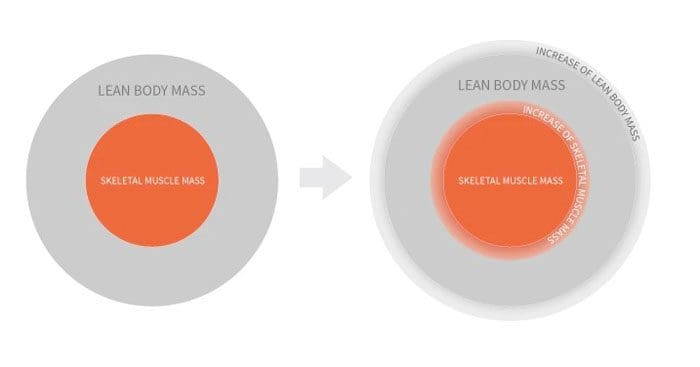
Lean Body Mass is also known as lean mass is the total weight of the body minus all the weight due to fat mass.
Lean Body Mass LBM= Total Weight – Fat Mass
Lean Body Mass includes weight of the:
Bones
Skin
Organs
Body Water
Muscle Mass
Lean Body Mass correctly describes the entire weight of the body minus the fat. Because Lean Body Mass comprises many areas, any change in weight can be recorded as changes in Lean Body Mass. Remember that the weight of the organs will not change significantly. Bone density decreases over time, but it will not significantly affect the weight of Lean Body Mass. Two major areas to focus on are body water and muscle mass. When discussing gaining muscle by consuming more protein or muscle-building exercise/workouts, what they are talking about is gaining or building Skeletal Muscle Mass. The three major muscle types include:
Cardiac
Smooth
Skeletal muscle mass is the only type of muscle that can actively grow and develop through exercise and nutrition.
Disclaimer
The information herein is not intended to replace a one-on-one relationship with a qualified health care professional, licensed physician, and is not medical advice. We encourage you to make your own health care decisions based on your research and partnership with a qualified health care professional. Our information scope is limited to chiropractic, musculoskeletal, physical medicines, wellness, sensitive health issues, functional medicine articles, topics, and discussions. We provide and present clinical collaboration with specialists from a wide array of disciplines. Each specialist is governed by their professional scope of practice and their jurisdiction of licensure. We use functional health & wellness protocols to treat and support care for the musculoskeletal system’s injuries or disorders. Our videos, posts, topics, subjects, and insights cover clinical matters, issues, and topics that relate to and support, directly or indirectly, our clinical scope of practice.* Our office has made a reasonable attempt to provide supportive citations and has identified the relevant research study or studies supporting our posts. We provide copies of supporting research studies available to regulatory boards and the public upon request. We understand that we cover matters that require an additional explanation of how it may assist in a particular care plan or treatment protocol; therefore, to further discuss the subject matter above, please feel free to ask Dr. Alex Jimenez or contact us at 915-850-0900.
Dr. Alex Jimenez DC, MSACP, CCST, IFMCP, CIFM, CTG* email: [email protected] phone: 915-850-0900 Licensed in Texas & New Mexico
References
Fredriksen, Torbjørn A et al. “Cervicogenic headache: too important to be left un-diagnosed.” The journal of headache and pain vol. 16 (2015): 6. doi:10.1186/1129-2377-16-6
Chaibi, Aleksander, and Michael Bjørn Russell. “Manual therapies for cervicogenic headache: a systematic review.” The journal of headache and pain vol. 13,5 (2012): 351-9. doi:10.1007/s10194-012-0436-7
Rubio-Ochoa, J et al. “Physical examination tests for screening and diagnosis of cervicogenic headache: A systematic review.” Manual therapy vol. 21 (2016): 35-40. doi:10.1016/j.math.2015.09.008
Man using smartphone sitting hunched down having scoliosis in the office of therapist at the clinic
Many of us spend a great deal of work time sitting at a desk/station every day. The damage that is occurring to the spine and body can turn into a chronic condition. Chiropractic can reverse the sedentary effects of too much sitting and not enough moving. Between work and relaxation time, an individual can spend from 8 to 16 hours a day sitting, often with poor posture. The body needs to stay active to maintain health and high quality of life.
Table of Contents
Sitting Too Much
Being sedentary can affect the body’s total health. Some of these effects include:
Heightened increase in the risk of chronic diseases, like heart disease and diabetes
Increased risk of mental health issues like anxiety and depression
Increased risk of certain cancers, specifically colon and breast
Chiropractic
Chiropractors are experts in spine health. The spine’s integrity is at an increased risk when most of the day is spent sitting and slumping. When the body gets tired from being in one position too long poor posture and awkward positioning begin to develop. When posture is affected the body’s health is also affected. This includes chronic spine misalignment that can cause chronic pain conditions. Spine misalignments brought on from too much sitting can be subtle and hard to detect without the help of a professional. Through chiropractic, the body’s own healing potential is released and increased.
Proper Spine Alignment Reverse Sedentary Effects
Once spinal alignment is restored, a chiropractor will guide the individual through the next steps to reverse the sedentary effects. They will make recommendations based on each individual’s specific lifestyle needs. In addition to the chiropractic care the treatment plan can include:
Massage
Exercise
Stretches
Health coaching
Nutritionist counseling
The objective is to reverse the sedentary effects and re-establish an individual’s optimal health. Individuals will feel more energized and motivated to begin incorporating more activity and movement into their regular daily routine.
Body Composition
Maintaining Muscle Mass With Age Healthy Benefits
Muscle loss is associated with a reduced metabolic rate.
This means gaining body fat because there is less muscle mass to burn the calories.
Increased body fat can plague individuals as they age.
Loss of skeletal muscle mass is associated with increased insulin resistance. A known precursor of diabetes.
It’s quite common for older folks to rely on cardio workouts like running instead of strength training to help build and maintain muscle mass. Cardio has its own benefits. However, the greatest benefits result from going out of the body’s comfort zone. Strength training has no age limit. Adding regular strength training twice a week can be all that an individual needs to reap the anti-aging benefits.
Disclaimer
The information herein is not intended to replace a one-on-one relationship with a qualified health care professional, licensed physician, and is not medical advice. We encourage you to make your own health care decisions based on your research and partnership with a qualified health care professional. Our information scope is limited to chiropractic, musculoskeletal, physical medicines, wellness, sensitive health issues, functional medicine articles, topics, and discussions. We provide and present clinical collaboration with specialists from a wide array of disciplines. Each specialist is governed by their professional scope of practice and their jurisdiction of licensure. We use functional health & wellness protocols to treat and support care for the musculoskeletal system’s injuries or disorders. Our videos, posts, topics, subjects, and insights cover clinical matters, issues, and topics that relate to and support, directly or indirectly, our clinical scope of practice.* Our office has made a reasonable attempt to provide supportive citations and has identified the relevant research study or studies supporting our posts. We provide copies of supporting research studies available to regulatory boards and the public upon request. We understand that we cover matters that require an additional explanation of how it may assist in a particular care plan or treatment protocol; therefore, to further discuss the subject matter above, please feel free to ask Dr. Alex Jimenez or contact us at 915-850-0900.
Dr. Alex Jimenez DC, MSACP, CCST, IFMCP, CIFM, CTG* email: [email protected] phone: 915-850-0900 Licensed in Texas & New Mexico
References
Biswas A, Oh PI, Faulkner GE, et al. Sedentary Time and Its Association With Risk for Disease Incidence, Mortality, and Hospitalization in Adults. Ann Intern Med. 2015;162:123-132. doi:10.7326/M14-1651. Accessed January 7, 2017.
Corliss J. Too much sitting linked to heart disease, diabetes, premature death. Harvard Health Blog. http://www.health.harvard.edu/blog/much-sitting-linked-heart-disease-diabetes-premature-death-201501227618. Published January 22, 2015. Accessed January 7, 2017.
Florido R, Michos E. Sitting Disease: Moving Your Way to a Healthier Heart. U.S. News & World Report. http://health.usnews.com/health-news/patient-advice/articles/2015/09/14/sitting-disease-moving-your-way-to-a-healthier-heart. Published September 14, 2015. Accessed January 7, 2017.
O’Connor B. Sitting Disease: The New Health Epidemic. The Chopra Center Web site. http://www.chopra.com/articles/sitting-disease-the-new-health-epidemic. Accessed January 7, 2017.
Rheumatoid arthritis is said to affect around 1.5 million individuals. Recognized as an autoimmune condition that presents with chronic pain in the body’s joints. It commonly affects regularly used joints like the shoulders, hands, and feet. The condition can begin to present in individuals in their 30s. Concerns that come with a rheumatoid arthritis diagnosis are the condition’s effect on the spinal facet joints. These joints are susceptible to attack from a dysfunctional immune system, leaving them prone to weakness, inflammation, and nerve compression. Chiropractors understand the manifestation of rheumatoid arthritis. They can pinpoint at-risk facet joints and provide corrective relief before more dangerous symptoms begin to present.
Table of Contents
Facet joint risks
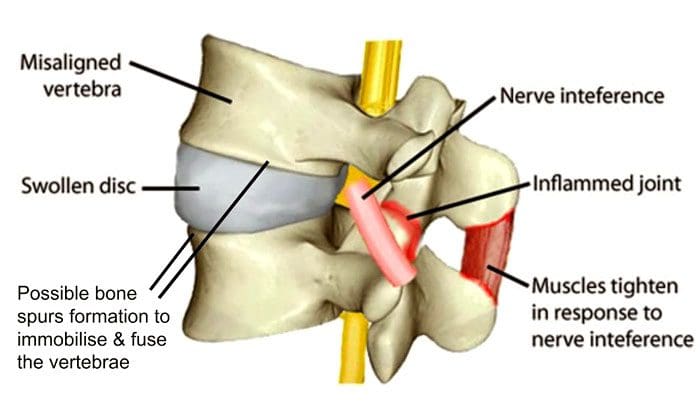
There are two facet joints that connect each vertebra to the one above and below. Their objective is to stabilize the spine, whether in a neutral position or engaged in flexion/extension movement. When targeted by the body’s immune system, the joints begin to weaken. The body attacks the synovial fluid that lubricates the joints. This creates friction that generates inflammation. Over time the joints break down leading to everything from loss of mobility to bone spurs. When left untreated the facet joints begin to deteriorate, causing nerve compression that can lead to permanent nerve damage. When the joints are not working properly the spine has to work around them.
Subluxations
Disc herniation
Ruptured discs
Sciatica all are possible with facet joint dysfunction.
Treatment
Currently, rheumatoid arthritis cannot be cured but symptoms can go into remission when treatment begins early.Chiropractic is an effective treatment at disrupting the symptoms of joint deterioration that stops the progression.
It has the ability to increase and maintain an individual’s range of motion, from a condition that causes loss of mobility.
It helps to bring rapid pain relief and helps with postural improvements.
It maintains positive spinal health and homeostasis.
Prevents problems with compression and subluxations.
Stretching and strengthening exercises are incorporated to preserve an individual’s spinal integrity.
Diet and nutrition are also adjusted to mitigate the effects, helping with inflammation prevention.
The spinal focus
As rheumatoid arthritis affects the body’s joints, it is vital to protect the facet joints. These joints can experience degenerative damage that can cause long-term problems. Injury Medical Chiropractic and Functional Medicine Clinic provide individuals with the tools necessary to combat rheumatoid arthritis that medications by themselves might not be able to.
Body Composition
Muscle Mass Fitness for Long-Term Health
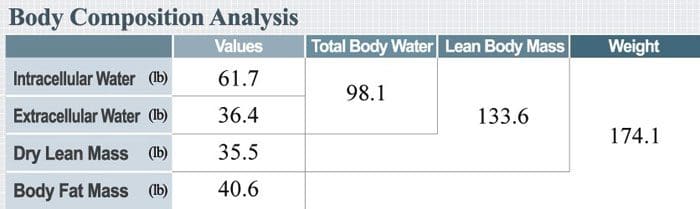
Muscle building is not just for bodybuilders and athletes. Everyone benefits from building muscle for long-term health. Monitoring the changes in Lean Body Mass can be accomplished by having body composition measured. Body composition analysis can divide an individual’s weight into various components. These include:
Fat Mass
Lean Body Mass
Basal Metabolic Rate will give a clearer picture of overall fitness and health.
Building Lean Body Mass is an investment for maintaining health long-term. The more Lean Body Mass that is built the more is in storage/reserve when the body really needs it. Before adding protein shakes and resistance workouts to the daily regimen, a plan needs to be developed. The first step to building a healthy level of lean body mass is to measure how much there is with a body composition analysis.
Disclaimer
The information herein is not intended to replace a one-on-one relationship with a qualified health care professional, licensed physician, and is not medical advice. We encourage you to make your own health care decisions based on your research and partnership with a qualified health care professional. Our information scope is limited to chiropractic, musculoskeletal, physical medicines, wellness, sensitive health issues, functional medicine articles, topics, and discussions. We provide and present clinical collaboration with specialists from a wide array of disciplines. Each specialist is governed by their professional scope of practice and their jurisdiction of licensure. We use functional health & wellness protocols to treat and support care for the musculoskeletal system’s injuries or disorders. Our videos, posts, topics, subjects, and insights cover clinical matters, issues, and topics that relate to and support, directly or indirectly, our clinical scope of practice.* Our office has made a reasonable attempt to provide supportive citations and has identified the relevant research study or studies supporting our posts. We provide copies of supporting research studies available to regulatory boards and the public upon request. We understand that we cover matters that require an additional explanation of how it may assist in a particular care plan or treatment protocol; therefore, to further discuss the subject matter above, please feel free to ask Dr. Alex Jimenez or contact us at 915-850-0900.
Dr. Alex Jimenez DC, MSACP, CCST, IFMCP, CIFM, CTG* email: [email protected] phone: 915-850-0900 Licensed in Texas & New Mexico
References
Pope JE, Cheng J. Facet (Zygapophyseal) Intraarticular Joint Injections: Cervical, Lumbar, and Thoracic. Injections for Back Pain. 129-135. ClinicalKey.com. Accessed July 16, 2019.
Brummett CM, Cohen SP. Pathogenesis, Diagnosis, and Treatment of Zygapophyseal (Facet) Joint Pain. 816-844. ClinicalKey.com. Accessed July 16, 2019.
Patient has a rehabilitation in physiotherapy clinic. Doctor in a uniform.
Chiropractic treatment and physical therapy are treatment methods/approaches that are conservative, non-invasive, and are both practical options. Both address health concerns, like various types of pain, automobile, work, sports, and personal injuries. Both are focused on helping individuals achieve long-term results and maintain health.
Chiropractic and physical therapy are usually done in combination, as they complement one another. There are benefits and similarities between the two treatment options. Here are some general guidelines to decide which treatment option is best for your needs.
Table of Contents
Primary symptoms
Chiropractors are known for the ability to provide quick relief to individuals dealing with pain and stiffness in the joints, particularly the spine. They are experts in spinal realignment and proper posture. If flexibility is limited or the joints are locking up, a chiropractor is the recommended choice.
Physical therapists or PTs are the experts in body biomechanics and soft tissue injuries. If an individual finds themselves moving differently because of pain or injury, training and exercise will help movement and maximum recovery.
Treatment style
Chiropractors follow a meticulous expert-based protocol for achieving the best results. They provide a hands-on approach to treatment that requires regular follow-ups and maintenance. This is an approach that some individuals prefer. Physical therapy treatment/rehabilitation programs are typically short-term. The average treatment usually lasts only 12 weeks. A physical therapist’s primary objective is to provide a fundamental understanding of how to move properly and self-manage symptoms for the long term. This usually includes a balanced exercise program.
Insurance coverage
Insurance plans vary in what is covered. The first step is to see what an individual’s insurance will cover. Benefits can be found online or by calling a representative to see how to get the care/treatment needed. Most plans cover some form of physical therapy. Chiropractic is also usually covered by insurance providers. Skipping the insurance can also be done with chiropractic clinics providing affordable options.
Options
There is no clear-cut answer as to which to see. A physical therapist or chiropractor. Individuals should follow a doctor’s recommendations as to which treatment type would benefit them. If no recommendations have been given then take a look at a clinic’s website to see what they are about. Fortunately, many chiropractic clinics include physical therapists as part of their medical team. Both chiropractic and physical therapists provide dynamic benefits for increasing and maintaining overall health.
Body Composition
Hydration Guidelines
Drink according to thirst
The body knows when it needs water. Therefore drink when you are thirsty, not before. An adequate fluid intake should be timed according to feelings of thirst.
Estimate hourly sweat loss
Those that exercise or engage in regular physical activities for prolonged periods should weigh themselves before engaging in the exercise/activity. Then drink according to thirst as the event goes on, then weigh yourself after the activity. The goal is to maintain the same weight or be slightly less. If an individual weighs more than what they drank, then they drank too much.
Excess water consumption
If an individual is not thirsty, the recommendation is to not drink water in excess. Nausea and even vomiting could ensue. A simple indicator to determine if enough water is being consumed is to check urine color. If it is colorless or slightly yellow then an individual is drinking enough water.
Disclaimer
The information herein is not intended to replace a one-on-one relationship with a qualified health care professional, licensed physician, and is not medical advice. We encourage you to make your own health care decisions based on your research and partnership with a qualified health care professional. Our information scope is limited to chiropractic, musculoskeletal, physical medicines, wellness, sensitive health issues, functional medicine articles, topics, and discussions. We provide and present clinical collaboration with specialists from a wide array of disciplines. Each specialist is governed by their professional scope of practice and their jurisdiction of licensure. We use functional health & wellness protocols to treat and support care for the musculoskeletal system’s injuries or disorders. Our videos, posts, topics, subjects, and insights cover clinical matters, issues, and topics that relate to and support, directly or indirectly, our clinical scope of practice.* Our office has made a reasonable attempt to provide supportive citations and has identified the relevant research study or studies supporting our posts. We provide copies of supporting research studies available to regulatory boards and the public upon request. We understand that we cover matters that require an additional explanation of how it may assist in a particular care plan or treatment protocol; therefore, to further discuss the subject matter above, please feel free to ask Dr. Alex Jimenez or contact us at 915-850-0900.
Dr. Alex Jimenez DC, MSACP, CCST, IFMCP, CIFM, CTG* email: [email protected] phone: 915-850-0900 Licensed in Texas & New Mexico
References
American Association of Physical Therapists. www.apta.org
Cherkin, D C et al. “A comparison of physical therapy, chiropractic manipulation, and provision of an educational booklet for the treatment of patients with low back pain.” The New England journal of medicine vol. 339,15 (1998): 1021-9. doi:10.1056/NEJM199810083391502
Fritz, Julie M. “Physical therapy in a value-based healthcare world.” The Journal of orthopaedic and sports physical therapy vol. 42,1 (2012): 1-2. doi:10.2519/jospt.2012.0101
Shrier I. Does stretching help prevent injuries? Evidence-based Sports Medicine. Williston, VT: BMJ Books; 2002.
Young woman with sport bar exercising on background of man
Individuals tend to think of chiropractic treatment for pain relief, injury recovery, and help with poor posture. This is correct, but regular chiropractic spinal adjustments can provide numerous benefits to feel your absolute best and improve an individual’s quality of life. Doctors of chiropractic/DCs perform a thorough physical and neurological evaluation of the individual to diagnose the root cause of spine pain. The proper diagnosis is essential to the individual’s customized treatment plan.
Table of Contents
Benefits of Regular Chiropractic Spinal Adjustments
Chiropractic spinal adjustments address a variety of health-related issues. A chiropractor will work with the individual to determine the most beneficial treatment possible. This includes posture training, exercise, stretching, massage therapy, and more. Below are a few of the benefits of chiropractic spinal adjustments:
Better joint health and mobility
Enhances physical and athletic abilities
Restores muscle balance which is secondary to alignment and loosens/releases tight muscles and resets loose/misaligned muscles
Risk of spine and other conditions is reduced
The body’s natural healing potential is increased along with blood and nerve circulation
Organ function is improved
Sense of well-being increases through:
Symptom management of depression, anxiety, and hyperactivity symptoms
Overall Energy is increased
Sleep improves from the realignment and tension release
Brain fog clears up along with improved concentration
Body’s immune response increases
From the reset blood and nerve circulation, the immune system’s response time improves
This helps prevents the onset of disease and illness
Symptoms of pain are alleviated
Chronic pain conditions are avoided
Highly beneficial for prenatal care
Reduces body discomfort
Helps maintain a healthy posture
Prepares the body for labor
Doctors of Chiropractic
Chiropractors are trained in musculoskeletal treatment and dedicated to providing the best possible. Spinal misalignment is often at the root of body dysfunction and poor health. Contact Injury Medical Chiropractic and Functional Medicine Clinic today with your health goals and see how we can help achieve them.

Body Composition
Complex Carbs Help Build Muscle
Carbs help regulate muscle glycogen repletion. Glycogen is a form of glucose that gets stored for later use. When the body needs energy, the glycogen activates and is ready as a fuel source. Carbohydrates are stored as glycogen. When the body’s carbohydrates are low, glycogen stores are low. When carbohydrates are taken in the glycogen stores are refilled. Because glycogen is used for energy the replenishment of those stores is important. This is why it is recommended to take in carbs immediately after exercising/physical activity. This replenishes glycogen stores for later.

Carbohydrates prevent muscle degradation
Low-carb diets and muscle loss. A study compared a low-carb diet to other diets and found the restriction of carbs resulted in protein loss. Restricting carbohydrates causes an increase in the amount of nitrogen that gets excreted. Nitrogen is a component of amino acids that forms muscle proteins. Loss of nitrogen indicates the muscles are breaking down.
Disclaimer
The information herein is not intended to replace a one-on-one relationship with a qualified health care professional, licensed physician, and is not medical advice. We encourage you to make your own health care decisions based on your research and partnership with a qualified health care professional. Our information scope is limited to chiropractic, musculoskeletal, physical medicines, wellness, sensitive health issues, functional medicine articles, topics, and discussions. We provide and present clinical collaboration with specialists from a wide array of disciplines. Each specialist is governed by their professional scope of practice and their jurisdiction of licensure. We use functional health & wellness protocols to treat and support care for the musculoskeletal system’s injuries or disorders. Our videos, posts, topics, subjects, and insights cover clinical matters, issues, and topics that relate to and support, directly or indirectly, our clinical scope of practice.* Our office has made a reasonable attempt to provide supportive citations and has identified the relevant research study or studies supporting our posts. We provide copies of supporting research studies available to regulatory boards and the public upon request. We understand that we cover matters that require an additional explanation of how it may assist in a particular care plan or treatment protocol; therefore, to further discuss the subject matter above, please feel free to ask Dr. Alex Jimenez or contact us at 915-850-0900.
Dr. Alex Jimenez DC, MSACP, CCST, IFMCP, CIFM, CTG* email: [email protected] phone: 915-850-0900 Licensed in Texas & New Mexico
References
Dubinsky RM, Miyasaki J.Assessment: Efficacy of transcutaneous electric nerve stimulation in the treatment of pain in neurologic disorders (an evidence-based review). Report of the Therapeutics and Technology Assessment Subcommittee of the American Academy of Neurology. Neurology. 2010;74:173-176.
Fritz JM, Lindsay W, Matheson JW, Brennan GP, Hunter SJ, Moffit SD, et al. Is there a subgroup of patients with low back pain likely to benefit from mechanical traction? Results of a randomized clinical trial and subgrouping analysis. Spine. 2007 Dec 15;32(26):E793-800.
Senior couple performing stretching exercise at home
For individuals that have a partner or spouse with chronic back pain, life can feel like it revolves around the pain. For the individuals going through the pain, it does. The pain can be debilitating to the body, emotional and mentally. The physical and emotional exhaustion of chronic pain can affect a partnership. But with the right support, treatment can be enhanced making the couple’s life a lot better.
Table of Contents
Partners and spouses with chronic Pain
Individuals unhealthily deal with chronic pain communication in two ways.
The first is, the individual dealing with the pain talks frequently about it. This can be viewed as constant complaining, resulting in their spouse or partner becoming irritated, cold, resentful, and frustrated by not knowing or being able to help.
The second way is, again the individual dealing with the pain wants to avoid sounding needy, never talk about the pain. This means instead they deal with the pain in silence. However, this wears the individual down physically and mentally.
This can turn to self-medicating bringing its own host of consequences. Regardless of how a spouse or partner communicates or not, the objective is to find healthier ways to work through the pain, work as a team, and support one another.
Practical Support
When it comes to normal daily activities, a common concern is the limitation of activities. This can be anything from exercising, standing, or walking. For the spouse or partner, it’s the same but instead is on the support/aiding side. The key is to clearly express the type of support they do and don’t feel benefits their pain management. For the spouse/partner, expressing the desire and willingness to provide assistance and empathy provides tremendous encouragement and opens the door to team-based healing.
Exercises and Stretches
Exercise and stretching are an integral part of treatment. There are a variety of exercises that can be done right at home. The addition of a second person is an added benefit. Recommended are easy stretches of the:
Lower back
Hamstrings
Buttocks
Calves
These can ease the muscle spasms that usually happen during an episode.
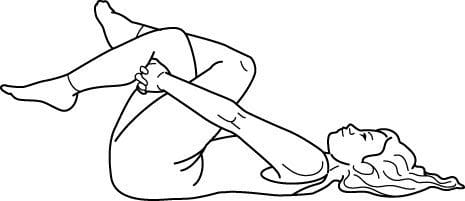
Start with straight leg raises or knee-to-chest stretches while lying on the back. The spouse/partner can help by adding pressure and support to the legs. Additional stretches can be added to the regimen, but the objective when stretching with a partner is communication. This means verbalizing each other’s needs and keeping an eye on one another’s faces for signs of distress.
Exercising as a pair has the added benefit of support and motivation.Non-impact core strengthening exercises are recommended. This includes yoga and pilates. With all exercise and physical activities, choose courses that are age/ability appropriate. With classes, partners and spouses should inform the instructor of the back pain so they can modify the workout accordingly.
Spousal Partner Massage
A highly beneficial treatment/therapy from a spouse or partner is massage. Professional therapeutic massages provide the greatest relief. However, when not available, having a spouse/partner work out regular short massages around the affected areas provides immense relief. Massaging the body keeps acute conditions from becoming chronic, reducing pain and increasing mobility. This is recommended to fill the gaps in professional chiropractic treatment. Some basic techniques and tips:
Use broad sweeping strokes with steady pressure across the muscle/s
Use the heel of the hand to work out the areas
Use the thumb or knuckle to apply deeper pressure to the area by rubbing in circles or holding down in place
Use pain cream/ointment and/or massage oil to ease friction and increase blood flow
Daily Tasks
Basic lifestyle adjustments can also help. Breaking up household chores based on those that cause pain flare-ups, and those that don’t can prevent episodes and make life healthier. For example,
An individual with a disc injury might not be able to flex forward
An individual with facet syndrome or osteoarthritis could have problems extending upright
Treatment and Recovery
Finding the root cause of the pain and seeking the most effective treatment possible is the goal. Treatment could involve a combination of several approaches.
Spousal/partner support through the pain, exercises, stretches, massage, and emotion will go a long way in expediting a healthy treatment plan.
Body Composition
Muscle mass and body health
Many think that muscle gain is only for highly active individuals and athletes. Not everyone wants to be muscular but everybody needs to be able to fight off infection. Protein is an important macronutrient that the body needs to function properly. Muscle is made up of water and protein. When the body enters a stressed state like getting sick, the body’s protein demands go up to four times the amount normally required.
If the body does not obtain the necessary protein it needs from an individual’s diet, it will turn to the muscles treating them as protein reserves. When this happens the muscles begin to break down. If the muscles are underdeveloped they have a reduced ability and strength to fight off infections and become more susceptible. Focusing on muscle gain will help with recovery, strength, and function. Focusing on muscle gain will help with recovery, strength, and function.
Disclaimer
The information herein is not intended to replace a one-on-one relationship with a qualified health care professional, licensed physician, and is not medical advice. We encourage you to make your own health care decisions based on your research and partnership with a qualified health care professional. Our information scope is limited to chiropractic, musculoskeletal, physical medicines, wellness, sensitive health issues, functional medicine articles, topics, and discussions. We provide and present clinical collaboration with specialists from a wide array of disciplines. Each specialist is governed by their professional scope of practice and their jurisdiction of licensure. We use functional health & wellness protocols to treat and support care for the musculoskeletal system’s injuries or disorders. Our videos, posts, topics, subjects, and insights cover clinical matters, issues, and topics that relate to and support, directly or indirectly, our clinical scope of practice.* Our office has made a reasonable attempt to provide supportive citations and has identified the relevant research study or studies supporting our posts. We provide copies of supporting research studies available to regulatory boards and the public upon request. We understand that we cover matters that require an additional explanation of how it may assist in a particular care plan or treatment protocol; therefore, to further discuss the subject matter above, please feel free to ask Dr. Alex Jimenez or contact us at 915-850-0900.
Dr. Alex Jimenez DC, MSACP, CCST, IFMCP, CIFM, CTG* email: [email protected] phone: 915-850-0900 Licensed in Texas & New Mexico
References
Massage therapy for back pain: International Journal of Therapeutic Massage & Bodywork. “Case Study: The Use of Massage Therapy to Relieve Chronic Low-Back Pain.” doi:10.3822/ijtmb.v9i3.267
Rheumatism. Brunette mature woman having back pain while sitting on the couch at home, suffering from tension and acute spinal ache, feeling uncomfortable, stressed lady tired of work
The diabetic disease processes can be a contributor to chronic back pain. Diabetes can damage the human body from the eyes to the feet if left untreated, and the spine/back is a prime target. Data from 11 studies consisted of individuals over 18 years of age diagnosed with type 1 or type 2 diabetes. The results showed individuals with diabetes had a 35% increased risk of experiencing lower back pain. According to the Centers for Disease Control and Prevention, around 34 million people were found to have diabetes in 2021. Diabetes primarily impacts blood sugar/glucose levels. However, the disease can affect several of the body’s systems. It is a state of chronic inflammation.
Table of Contents
Diabetic Back Pain Connection
The connection between diabetes and back pain include:
Neuropathy
Diabetic neuropathy happens when constant high glucose levels damage/injure the nerves. The result is symptoms like pain, tingling, and numbness. It affects up to 50% of individuals with diabetes and can lead to severe chronic back pain. High sugar levels damage various organ systems including the nervous system that results in neuropathy that causes pain/discomfort.
Bone Health
A complication that diabetes can cause is compromised bone health.High glucose levels can damage the collagen that makes up bone. This creates an increased risk of vertebral and other types of fractures. The high-risk compounds fractures that do not heal properly or correctly. Diabetics have an increased risk of fracture because of the accumulation increase of advanced glycation products. This substance forms when proteins or lipids combine with sugar. With time these products can cause damage to various tissues that include bone.
Obesity
Obesity contributes to the development of type 2 diabetes and is also a complication that results from incorrect glucose level management. Regardless of which came first, the added weight is a major contributor to back pain because of the added pressure/load on the spine. Excess weight and physical inactivity can result in serious issues of the musculoskeletal system.
Additional Factors
Poorly controlled diabetes also reduces muscle blood flow and increases cartilage inflammation. Other types of tissue damage can occur like degeneration of intervertebral discs and spinal canal stenosis. Disc degeneration and spinal stenosis are common causes of back and neck pain. Diabetics are prone to infection/s. This can cause back pain if it is in the bone known as osteomyelitis.
Diabetic Back Pain Management
There are steps that can help ease pain and discomfort.
Getting Involved In Physical Activity
Exercising/physical activity is a must. The body needs to move to get all the systems flowing improving diabetes and back pain. A sedentary lifestyle can take back pain to new levels with time. Even though when pain presents the first instinct is to stop and rest. Simple ways to get moving include:
Walks
Stretches
Gentle laps in a pool
All can help with:
Improved blood flow
Aids in weight loss
Recommended for both conditions
Exercising releases endorphins, which are the pain relief chemicals that the body produces naturally.
Yoga can reduce physical pain and discomfort throughout the body
Quitting Bad Habits
Smokers have a significantly higher risk for low back pain compared to non-smokers. Nicotine can alleviate pain short term, but over time the nerves become more sensitive and can increase the pain. Alcohol use can help numb the pain short term, but it can cause muscle spasms and dehydration intensifying the pain. Complications can arise if taking pain medication. The most important thing is managing diabetes effectively.Injury Medical Chiropractic and Functional Medicine Clinic will help the individual feel better, move better, and keep back pain away.
Body Composition
Vitamin D and Healthy Blood Sugar Levels
Vitamin D benefits muscle health, muscle mass, and blood sugar. Insulin is the hormone that lets blood sugar into the muscles. Individuals with adequate blood vitamin D levels significantly lower the risk of hyperglycemia than those with below-recommended levels. Research shows daily vitamin D supplements used in combination with calcium decelerate the gradual rise in blood sugar in those with prediabetes. Adequate vitamin D levels can prevent the progression of hyperglycemia. Supplementation is beneficial for individuals going through a deficiency. Adults should aim for a dietary intake of 600 – 800 IU per day. However, supplements are never a substitute for a healthy and diverse diet.
Disclaimer
The information herein is not intended to replace a one-on-one relationship with a qualified health care professional, licensed physician, and is not medical advice. We encourage you to make your own health care decisions based on your research and partnership with a qualified health care professional. Our information scope is limited to chiropractic, musculoskeletal, physical medicines, wellness, sensitive health issues, functional medicine articles, topics, and discussions. We provide and present clinical collaboration with specialists from a wide array of disciplines. Each specialist is governed by their professional scope of practice and their jurisdiction of licensure. We use functional health & wellness protocols to treat and support care for the musculoskeletal system’s injuries or disorders. Our videos, posts, topics, subjects, and insights cover clinical matters, issues, and topics that relate to and support, directly or indirectly, our clinical scope of practice.* Our office has made a reasonable attempt to provide supportive citations and has identified the relevant research study or studies supporting our posts. We provide copies of supporting research studies available to regulatory boards and the public upon request. We understand that we cover matters that require an additional explanation of how it may assist in a particular care plan or treatment protocol; therefore, to further discuss the subject matter above, please feel free to ask Dr. Alex Jimenez or contact us at 915-850-0900.
Dr. Alex Jimenez DC, MSACP, CCST, IFMCP, CIFM, CTG* email: [email protected] phone: 915-850-0900 Licensed in Texas & New Mexico
References
Pozzobon, Daniel, et al. “Is There an Association between Diabetes and Neck and Back Pain? A Systematic Review with Meta-Analyses.” PLOS ONE, vol. 14, no. 2, 2019, doi:10.1371/journal.pone .0212030.
Murray, Cliodhna E, and Cynthia M Coleman. “Impact of Diabetes Mellitus on Bone Health.” International Journal of Molecular Sciences, MDPI, 30 Sept. 2019, www.ncbi.nlm.nih.gov/pmc/articles/PMC6801685/.
Groen BBL, Hamer HM, Snijders T, van Kranenburg J, Frijns D, Vink H, et al. Skeletal muscle capillary density and microvascular function are compromised with aging and type 2 diabetes. Journal of Applied Physiology. 2014;116(8):998–1005. pmid:24577061
Eivazi M, Abadi L. Low Back Pain in Diabetes Mellitus and Importance of Preventive Approach. Health Promotion Perspectives. 2012;2(1):80–8. pmid:24688921
Senior adult woman touching back feeling backache, discomfort low lumbar muscular kidney pain. Elderly woman felt back pain after exercising, fitness exercises caused health problems in retirement
The pelvis is designed to bear and distribute the weight of the body along with regular everyday movement. It is built to properly distribute weight between the upper and lower body that utilizes the core muscles, ligaments, and joints creating a complex pelvic girdle that helps the body function properly. The bones of the pelvis house and protect organs like the:
Reproductive system
Bladder
Below the digestive tract
When pain in the pelvis presents, daily physical activities can become difficult to get through. Chiropractic treatment combined with lifestyle adjustments can bring pain relief and strengthen the pelvis muscles/bones to maintain optimal function.
Table of Contents
Causes of Pelvic Pain
When pain presents there can be a variety of underlying causes contributing to it. Certain causes are more serious than others. This is why seeking professional medical guidance is highly recommended for the best outcomes. Possible causes include:
These are a few causes that can contribute to mechanical changes and imbalances within the pelvis anatomy. If the pain is thought to be caused by an internal organ issue with nausea, fever, vomiting, or severe pain contact a healthcare provider immediately.
Chiropractic Relief
The pelvis can be thought of as a direct continuation of the spine. The lowest fused five vertebrae are known as the sacrum and are part of the pelvic girdle complex. Individuals dealing with pelvic pain typically experience the sensation within the joints themselves. These are the pubic symphysis and/or sacroiliac joints. These joints interact with the entire skeletal system. Learning how they operate can help bring relief and recovery. This is where a chiropractor can help.
Chiropractors are experts in total body alignment, restoring balance to the pelvis and spine. Plus through the treatment, they help increase the body’s natural ability to heal itself. When the lower back or pelvis is out of alignment the entire body along with its systems can be thrown off balance causing dysfunction. Chiropractic promotes and increases balance with pelvic adjustments and diverse therapies that include:
A professional chiropractor is one of the best options for the management and alleviation of pelvis pain. Pelvis misalignment can impede nerve energy and adequate blood flow. Chiropractic restoration strengthens and maintains optimal long-lasting results. Whether the pelvic pain comes from an injury, pregnancy, or pelvic shift/imbalance, a chiropractic provider can help address and alleviate the pain.
Body Composition
Lifestyle Adjustments for Optimal Kidney Health
The kidneys are small organs that work twenty-four-seven to filter blood and flush waste. In one day the kidneys pump more than 400 gallons of recycled blood throughout the body. When the kidneys do not function properly the body can be engulfed with waste. This is why it is vital to keep them healthy. Individuals usually don’t realize how an unhealthy lifestyle can harm/injure the kidneys. Chronic kidney disease slowly progresses over years, and it is not reversible. Incorporating some basic healthy lifestyle adjustments can lower the risk of developing kidney-related diseases. Here are a few lifestyle adjustments that can keep the kidneys healthy.
Drinking plenty of water
An adequate supply of water in the kidneys flushes out sodium, urea, and toxins helping avoid kidney stones. The goal is to drink eight 8-ounce glasses of water every day. Everyone’s water levels are different but body composition analysis can calculate what a normal level should be.
Healthy foods maintain a healthy body
Poor diet and visceral fat gain have been linked to chronic kidney disease. Reducing visceral fat can be achieved by eating a restricted caloric diet of vegetables, fruit, and lean protein, as well as cutting back on processed foods.
Be cautious consuming supplements, antibiotics, and over the counter medications
Regular use of common medications and supplements can cause kidney damage and disease. Consult with a doctor before taking medications and supplements if there is kidney function impairment.
Fitness and activity
Individuals need to participate in regular cardiovascular and weight-resistance physical activity/exercise. High blood sugar levels have been shown to stress the kidneys. Building adequate muscle mass helps control blood sugar.
Smoking and kidney health issues
Smoking narrows the blood vessels in the kidneys. This reduces proper blood flow and accelerates kidney malfunction.
Disclaimer
The information herein is not intended to replace a one-on-one relationship with a qualified health care professional, licensed physician, and is not medical advice. We encourage you to make your own health care decisions based on your research and partnership with a qualified health care professional. Our information scope is limited to chiropractic, musculoskeletal, physical medicines, wellness, sensitive health issues, functional medicine articles, topics, and discussions. We provide and present clinical collaboration with specialists from a wide array of disciplines. Each specialist is governed by their professional scope of practice and their jurisdiction of licensure. We use functional health & wellness protocols to treat and support care for the musculoskeletal system’s injuries or disorders. Our videos, posts, topics, subjects, and insights cover clinical matters, issues, and topics that relate to and support, directly or indirectly, our clinical scope of practice.* Our office has made a reasonable attempt to provide supportive citations and has identified the relevant research study or studies supporting our posts. We provide copies of supporting research studies available to regulatory boards and the public upon request. We understand that we cover matters that require an additional explanation of how it may assist in a particular care plan or treatment protocol; therefore, to further discuss the subject matter above, please feel free to ask Dr. Alex Jimenez or contact us at 915-850-0900.
Dr. Alex Jimenez DC, MSACP, CCST, IFMCP, CIFM, CTG* email: [email protected] phone: 915-850-0900 Licensed in Texas & New Mexico
Kim DH, Cho D, Dickman CA, Kim I, et al. Surgical Anatomy & Techniques to the Spine. 2nd Ed. Saunders, Elsevier, Inc. Philadelphia, PA.
Lirette LS, Chaiban G, Tolba R, Eissa H. Coccydynia: An Overview of the Anatomy, Etiology, and Treatment of Coccyx Pain. Ochsner J. 2014 Spring;14(1): 84-87.
Full body side portrait of healthy young woman sprinting outdoors in the city
Individuals are realizing the enhancements that chiropractic produces along with lifestyle adjustments. Chiropractic is about total body health. This includes:
Alleviating pain from injuries and musculoskeletal conditions
Reversing low energy levels
Healthy lifestyle adjustment support
Neck Pain
Back Pain
Chronic Pain
Herniated Disc/s
Headaches
Migraines
Sciatica
Sports Injuries
Healthy living and regular chiropractic adjustments will elevate the body’s health to new levels.
Table of Contents
Chiropractic unlocks the body’s potential
Getting to the root cause of any symptoms that are presenting and addressing themis essential before the body can be at its optimum. A common root cause of pain, low energy, and various general health complaints is spinal misalignment. Poor spinal alignment leads to poor nerve energy flow and poor blood circulation. When the body and nervous system function incorrectly, there is interference with the body’s ability to process normal functions that leads to various forms of dysfunction. A chiropractor can recognize the smallest of changes in the spine that could be affecting the body’s health.
Good Health to Optimal Health
Restoring spinal alignment is the first step in improving body health. If condition/s are present, first the pain will need to be reduced and under management, then the energy can be increased. A chiropractor will recommend lifestyle adjustments to start building a routine to take good health to optimal health. Recommendations include:
Physical Activity/Exercise
Regular physical activity/exercise for weight management, building muscle and maintaining balance. Specific exercises could be recommended for spinal alignment and core strength reinforcement.
Health Coaching/Diet
The nutrients consumed can have positive and negative effects on the body’s ability to function and heal. A health coach and nutritionist can recommend a nutrition plan that will elevate the body’s health to new levels, increasing energy and helping with weight loss if it is necessary.
Stress management techniques
Stress is a major player when it comes to poor health. Chiropractic can help develop techniques and strategies to manage stress and reduce the strain on the body’s systems. This could include sleep hygiene, mindfulness, and more.
Neutral spine training
Healthy posture is highly neglected during daily activities, especially when sitting or lying down. A chiropractor will educate the individual on how to hold the spine and posture optimally to reduce awkward positions and unnecessary strain.
Consult a Chiropractic Provider
When making lifestyle changes, a vital component is learning how to incorporate the new adjustments consistently. This encourages the adjustment into becoming a healthy habit that can maintain optimal body health.
Body Composition
Reducing stress levels
There are various techniques that support relaxation, and help turn off the stress response. Here are a few science-backed options:
Stress-related eating is associated with an increased craving for calorie-dense and highly palatable/tasty usually unhealthy foods. When stress rises, food cravings rise triggering fat gain.
Disclaimer
The information herein is not intended to replace a one-on-one relationship with a qualified health care professional, licensed physician, and is not medical advice. We encourage you to make your own health care decisions based on your research and partnership with a qualified health care professional. Our information scope is limited to chiropractic, musculoskeletal, physical medicines, wellness, sensitive health issues, functional medicine articles, topics, and discussions. We provide and present clinical collaboration with specialists from a wide array of disciplines. Each specialist is governed by their professional scope of practice and their jurisdiction of licensure. We use functional health & wellness protocols to treat and support care for the musculoskeletal system’s injuries or disorders. Our videos, posts, topics, subjects, and insights cover clinical matters, issues, and topics that relate to and support, directly or indirectly, our clinical scope of practice.* Our office has made a reasonable attempt to provide supportive citations and has identified the relevant research study or studies supporting our posts. We provide copies of supporting research studies available to regulatory boards and the public upon request. We understand that we cover matters that require an additional explanation of how it may assist in a particular care plan or treatment protocol; therefore, to further discuss the subject matter above, please feel free to ask Dr. Alex Jimenez or contact us at 915-850-0900.
Dr. Alex Jimenez DC, MSACP, CCST, IFMCP, CIFM, CTG* email: [email protected] phone: 915-850-0900 Licensed in Texas & New Mexico
References
Hawk, Cheryl et al. “Best Practices for Chiropractic Management of Patients with Chronic Musculoskeletal Pain: A Clinical Practice Guideline.” Journal of alternative and complementary medicine (New York, N.Y.) vol. 26,10 (2020): 884-901. doi:10.1089/acm.2020.0181
Walsh, Roger. “Lifestyle and mental health.” The American psychologist vol. 66,7 (2011): 579-92. doi:10.1037/a0021769
Stonerock, Gregory L, and James A Blumenthal. “Role of Counseling to Promote Adherence in Healthy Lifestyle Medicine: Strategies to Improve Exercise Adherence and Enhance Physical Activity.” Progress in cardiovascular diseases vol. 59,5 (2017): 455-462. doi:10.1016/j.pcad.2016.09.003
girl in a neck support collar on a solid pink background
A whiplash injury can cause pain for months, even years after the accident/incident. It can cause persistent pain in the neck, shoulders, back, as well as, headaches, and sleep problems. Waiting to see if it will go away is not recommended. Chiropractic treatment can effectively and successfully expedite the healing process getting back to normal life as quickly as possible. Chiropractors treat whiplash successfully using a combination of techniques, approaches, and exercises for pain relief, recovery, and long-term spinal health. The extent and severity of the whiplash injury determine what type of chiropractic treatment will be implemented.
Table of Contents
The Severity of a Whiplash Injury
Whiplash injuries are often the result of:
Automobile accidents
Work injuries
Sports
Amusement park rides
It is primarily an injury of the neck muscles and ligaments, but can also damage the vertebral discs. It is not considered a serious or life-threatening injury, but it can cause long-term complications and severe chronic pain. The biggest risk comes from the delayed presentation of symptoms. It can take days and sometimes weeks for the effects of the injury to present. Individuals that are older or those with arthritis are more likely to have severe and long-term issues.
Other Symptoms
Typical symptoms like neck pain, blurry vision, stiffness, and dizziness are well known. These can range from mild to severe, and last for a few days, weeks, or, in severe cases, years. However, there are some symptoms that most don’t know about and include:
Individuals should be alert for signs/symptoms that the injury requires immediate medical attention. If any of the following are experienced seek immediate care.
The arms, shoulders, or legs are numb, tingling, and/or weak
The neck pain and stiffness return after going away
Bowel or bladder problems could indicate nerve damage
Chiropractic
Chiropractic treatment depends on the individual case. A doctor of chiropractic will determine the right treatment plan by the:
The severity of the pain
Location of the injury
Accompanying symptoms
Medical history
X-rays will be taken of the affected area to rule out any other trauma or injury. The chiropractor will evaluate the entire spine. This is based on how one part of the body influences other areas with the objective being to get the whole body functioning successfully at optimal levels.
Treatment Options
Some of the more common treatments for whiplash include:
Initial
Visiting a chiropractor a short time after the injury means the neck will be inflamed. The doctor will utilize gentle, anti-inflammatory options like:
Cold therapy
Ultrasound
Stretching
Electrical therapy
Laser therapy
Spinal Manipulation
There are different types of spinal manipulation, these include:
Specific Manipulation
This type involves a gentle but firm thrusting, usually done with the hands to the soft tissue areas. It stimulates the nervous system to realign subluxations, and restore mobility/flexibility of the spinal joints and vertebrae.
Flexion Distraction Technique
This is also a hands-on technique that treats slipped and bulging discs. This type of treatment utilizes a pumping motion on the disc/s and not the spine itself.
Instrument Assistance
This treatment is used for patients with degenerative disc disease. Special instrument assistance is often used in combination with hands-on care.
Massage
Massage promotes healing, reduces pain, and improves blood circulation in and around the affected area. It helps relieve tension/stress in the shoulder and neck.
Stretching and Trigger Point Therapy
The muscles and tendons can become tight. A chiropractor will gently stretch the area to relieve pain, ease tension, and reduce tension headaches. Trigger point therapy uses persistent pressure by the chiropractor’s fingers. It relaxes and releases the tight areas.
McKenzie Exercises
McKenzie exercises help reduce disc tears common to these types of injuries. The chiropractor will show how to perform these simple movements at home as part of the recovery.
What to do outside of the clinic
A chiropractor will offer tips and guidance on how to successfully avoid worsening the injury or create new injury/s. Stretches and exercises will be recommended to strengthen and maintain flexibility. Depending on an individual’s:
Overall health
Posture
Work/Occupation
Lifestyle factors
They will offer recommendations to avoid long-term issues.
Body Composition
Successfully regaining fitness after an injury
It is difficult to predict how long it will take to regain a previous level of fitness after an injury. Retraining to peak condition depends on the injury and how much damage was done. A key factor is to not adopt a sedentary lifestyle.Muscle memory can help as the muscles have special cells in the fibers that can recollect previous movements. This means when back to working out after an extended layoff, the body is able to regain the lost muscle. Some tips to help get back into shape:
Ease back into working out to avoid/worsen the injury
Wait a month before starting a less-intense version of a regular workout
Patience and persistence are essential to regaining fitness successfully.
Disclaimer
The information herein is not intended to replace a one-on-one relationship with a qualified health care professional, licensed physician, and is not medical advice. We encourage you to make your own health care decisions based on your research and partnership with a qualified health care professional. Our information scope is limited to chiropractic, musculoskeletal, physical medicines, wellness, sensitive health issues, functional medicine articles, topics, and discussions. We provide and present clinical collaboration with specialists from a wide array of disciplines. Each specialist is governed by their professional scope of practice and their jurisdiction of licensure. We use functional health & wellness protocols to treat and support care for the musculoskeletal system’s injuries or disorders. Our videos, posts, topics, subjects, and insights cover clinical matters, issues, and topics that relate to and support, directly or indirectly, our clinical scope of practice.* Our office has made a reasonable attempt to provide supportive citations and has identified the relevant research study or studies supporting our posts. We provide copies of supporting research studies available to regulatory boards and the public upon request. We understand that we cover matters that require an additional explanation of how it may assist in a particular care plan or treatment protocol; therefore, to further discuss the subject matter above, please feel free to ask Dr. Alex Jimenez or contact us at 915-850-0900.
Dr. Alex Jimenez DC, MSACP, CCST, IFMCP, CIFM, CTG* email: [email protected] phone: 915-850-0900 Licensed in Texas & New Mexico
References
Dagenais, Simon, and Scott Haldeman. “Chiropractic.” Primary care vol. 29,2 (2002): 419-37. doi:10.1016/s0095-4543(01)00005-7
Ritchie, Carrie et al. “Medical and allied health service use during acute and chronic post-injury periods in whiplash injured individuals.” BMC health services research vol. 20,1 260. 30 Mar. 2020, doi:10.1186/s12913-020-05146-0
Ferrari, Robert, and Anthony Science Russell. “Survey of general practitioner, family physician, and chiropractor’s beliefs regarding the management of acute whiplash patients.” Spine vol. 29,19 (2004): 2173-7. doi:10.1097/01.brs.0000141184.86744.37