Explore restorative injection therapy musculoskeletal pain relief techniques that can aid in recovery and improve mobility.
Table of Contents
Abstract
Welcome to our educational deep dive into the world of advanced regenerative medicine. I am Dr. Alex Jimenez, and I am thrilled to guide you through the intricate and fascinating landscape of cellular repair and tissue regeneration. In this comprehensive post, we will explore the physiological underpinnings of musculoskeletal injuries, focusing on conditions like Achilles tendonitis, and discuss cutting-edge treatment modalities that go beyond conventional approaches. We will dissect the science behind prolotherapy, examining how solutions like dextrose can trigger the body’s innate healing cascades. We’ll also delve into the synergistic potential of combining these therapies with other regenerative techniques, such as platelet-rich plasma (PRP) and stem cell therapies, to amplify healing outcomes.
A central theme of our discussion will be the importance of an integrative and multidisciplinary approach to patient care. Here at Injury Medical Clinic, we embody this philosophy through our collaborative partnership. I work alongside Dr. Maria Guadalupe Cardenas, a highly experienced board-certified internist who serves as our Medical Director. This partnership allows us to blend the best of chiropractic care, functional medicine, and conventional medical oversight to create personalized, evidence-based treatment plans. We will explore how this integrated model, which includes chiropractic adjustments, rehabilitation, nutritional guidance, and advanced regenerative injections, provides a holistic framework for treating complex injuries and promoting long-term wellness. Join me as we uncover the latest research from leading experts and translate it into practical, clinical applications that are transforming patient care.
Our Integrated Approach: A Fusion of Chiropractic, Medical, and Functional Medicine
At Injury Medical Clinic, our philosophy is built on a foundation of collaboration and integration. We believe that the most effective patient care arises from a multidisciplinary team that can view health and injury through multiple expert lenses. This is precisely the environment we have cultivated here in El Paso, Texas.
I am Dr. Alex Jimenez, and my background is extensive, spanning chiropractic (DC), advanced practice nursing (APRN, FNP-BC), and certified functional medicine (CFMP, IFMCP). This diverse training allows me to approach patient care from a holistic perspective, understanding not just the biomechanical aspects of an injury but also the systemic, cellular, and metabolic factors that influence healing and overall well-being.

However, the cornerstone of our practice is our collaborative relationship with Dr. Maria Guadalupe Cardenas, MD. Dr. Cardenas is a distinguished internist with over 40 years of experience and is board-certified in Internal Medicine. She serves as our Medical Director and Collaborative Physician, a structure that is becoming a gold standard in integrative and injury care clinics. Her NPI is #1164426749, and her Texas MD License is #J2933.
This partnership is not merely a formality; it is an active, dynamic collaboration that benefits every patient who walks through our doors. Here’s how it works:
- Medical Oversight and Direction: Cardenas provides essential medical oversight for our practice. This is particularly crucial when we incorporate advanced procedures like regenerative injections (e.g., prolotherapy, PRP). Her expertise ensures that these treatments are administered safely, with proper diagnostic evaluation and consideration of the patient’s overall medical history. She reviews patient cases, consults on complex conditions, and ensures that our protocols adhere to the highest medical standards.
- Comprehensive Diagnostics: While I may use functional and biomechanical assessments to diagnose a musculoskeletal issue, Dr. Cardenas’s internal medicine background allows us to integrate conventional medical diagnostics. This can include ordering and interpreting blood work, imaging studies (MRI, CT scans), and assessing for underlying medical conditions (like diabetes, autoimmune disorders, or cardiovascular issues) that could impact a patient’s healing capacity.
- Synergistic Treatment Planning: A patient with chronic low back pain, for example, receives a multifaceted evaluation. I perform a thorough chiropractic and biomechanical assessment to identify spinal misalignments (subluxations), muscle imbalances, and faulty movement patterns. Simultaneously, under Dr. CCardenas’sdirection, we might investigate inflammatory markers through blood tests or use diagnostic imaging to rule out pathologies like disc herniations or spinal stenosis. The treatment plan then becomes a fusion of our expertise: I will provide chiropractic adjustments to restore spinal alignment and nerve function, while we may also recommend functional medicine interventions to address systemic inflammation and, if medically necessary, regenerative injections overseen by Dr. Cardenas to repair damaged ligamentous or disc tissue.
- A Safety Net for Holistic Care: The presence of a medical doctor on our team provides a crucial safety net. It allows us to confidently manage a wide spectrum of patient needs, from a straightforward personal injury case to a complex chronic pain patient with multiple comorbidities. It bridges the gap between the “alternative” and “conventional” medical worlds, offering patients the best of both.
Our services reflect this integrated model, encompassing:
- Chiropractic Care: Focused on spinal health, nervous system function, and biomechanics.
- Functional Medicine: Investigating the root causes of disease and dysfunction.
- Personal Injury and Rehabilitation: Comprehensive care for accidents and injuries.
- Medical Oversight: Ensuring patient safety and comprehensive diagnostic workups.
- Regenerative Medicine: Utilizing the body’s own healing mechanisms to repair tissue.
This collaborative framework ensures that we are not just treating symptoms; we are addressing the whole person—structurally, biochemically, and medically. This synergy allows us to take on complex cases and guide our patients on a true journey to healing and optimal function.
The Challenge of Tendinopathies: A Deeper Look at Achilles Tendonitis
One of the most common and frustrating conditions we treat in our clinic is Achilles tendonitis, or more accurately, Achilles tendinopathy. Understanding the distinction is crucial for effective treatment. “Tendonitis” implies a predominantly inflammatory process (-itis means inflammation). For many years, we believed that tendon pain was primarily caused by inflammation. However, modern research, including histological studies of chronic tendon tissue, has revealed a different story.
Leading researchers in the field have shown that in chronic cases, the problem is not active inflammation but rather a degenerative process called tendinosis. This is a state of cellular breakdown and disorganization within the tendon. Instead of the neat, parallel, and robust collagen fibers that give a healthy tendon its incredible tensile strength, we see:
- Collagen Disarray: The fibers become tangled, disorganized, and weakened.
- Angiofibroblastic Hyperplasia: A pathological process characterized by an abnormal ingrowth of new, dysfunctional blood vessels (neo-vascularization) and an increase in immature fibroblast-like cells. These new vessels are leaky, weak, and often accompanied by nerve endings that contribute to pain.
- Mucoid Degeneration: The accumulation of a gel-like substance that further disrupts the tendon’s structure and integrity.
- Paucity of Inflammatory Cells: A noticeable lack of the inflammatory cells (like neutrophils and macrophages) that you would expect to see in an acute injury.
This is a failed healing response. The body has attempted to repair the initial micro-trauma but has failed to complete the process, resulting in a structurally compromised, weak, and painful tendon. This is why traditional anti-inflammatory treatments, such as long-term use of NSAIDs (Non-Steroidal Anti-Inflammatory Drugs) or corticosteroid injections, often fail in the long run and can even be detrimental. Corticosteroids, in particular, can inhibit collagen synthesis and further weaken the tendon, increasing the risk of a catastrophic rupture.
The Role of Mechanical Load and Immobilization
So, what drives this degenerative process? It’s often a cycle of overuse and inadequate recovery. For a truck driver, for example, the repetitive action of pressing the pedals, especially the clutch, places a constant, low-grade eccentric load on the Achilles tendon. An athlete might experience this from repetitive jumping or running. This chronic overloading, without sufficient time for the tendon cells (tenocytes) to repair the micro-damage, initiates the degenerative cascade of tendinosis.
Now, let’s consider the treatment. When a patient presents with significant Achilles tendinopathy, especially if we are considering a regenerative intervention like prolotherapy, managing the mechanical load on that tendon becomes paramount. The tendon needs a protected environment to heal. This is where immobilization, often with a walking boot, becomes a critical component of the initial treatment phase.
My clinical protocol, developed from evidence-based practices and years of observation, is clear on this. If we are embarking on a regenerative treatment plan for Achilles tendinosis, the patient must be compliant with offloading the tendon.
- Why the Boot is Non-Negotiable: The goal of our regenerative injections is to restart the healing cascade. We are intentionally creating a controlled, localized inflammatory response to signal the body to bring in growth factors, fibroblasts, and other reparative cells. If the patient continues to place excessive strain on the tendon by walking, running, or working without support, they are essentially counteracting the treatment. The newly forming collagen fibers are delicate and can be easily disrupted or torn, sabotaging the entire healing process.
- Initial Immobilization Protocol: For a patient undergoing prolotherapy for Achilles tendinosis, I typically require them to wear a walking boot for at least the first week following the injection. This provides strict immobilization and allows the initial, crucial phases of inflammation and proliferation to occur without mechanical disruption.
- Progressive Weaning: After the first week, the protocol can be adjusted based on the patient’s progress and the severity of the condition. They might be allowed to remove the boot for short periods while at rest but must wear it when ambulating. As they return for subsequent treatments (often spaced several weeks apart to allow for tissue remodeling), we reassess. The goal is to gradually reintroduce load to the tendon in a controlled manner, as mechanical stimulation is eventually necessary to guide the proper alignment of new collagen fibers. This is where our integrated rehabilitation comes in, with specific eccentric loading exercises introduced at the appropriate time.
This structured approach of “protect, then progressively load” is fundamental. Without patient compliance with immobilization, the chances of a successful outcome from even the most advanced regenerative therapies are significantly diminished. It is a partnership: we provide the biological stimulus for healing, and the patient provides the optimal mechanical environment for that healing to take place.
Prolotherapy: Reigniting the Body’s Natural Healing Cascade
Now, let’s dive into the core of one of our key regenerative therapies: prolotherapy. The term is short for “proliferative therapy,” and its name perfectly describes its function—it stimulates the proliferation and regeneration of new, healthy tissue.
You asked, “What’s Prolo?” The answer is both simple and profoundly elegant. At its most fundamental level, prolotherapy involves injecting a mild irritant solution into a damaged area, such as a weakened ligament or a degenerated tendon, to trigger a localized, controlled healing response intentionally.
The Science of Dextrose Prolotherapy
The most commonly used and extensively studied prolotherapy agent is hypertonic dextrose. This is a simple sugar solution, but its concentration is key. We typically use a 50% dextrose solution, which we then mix with a local anesthetic, usually 2% lidocaine, for patient comfort during the injection.
Here is the physiological journey that occurs when we inject this solution into, for example, the enthesis of the Achilles tendon (the point where it inserts into the heel bone):
- Cellular Dehydration and Osmotic Shock: The hypertonic (highly concentrated) dextrose solution creates a significant osmotic gradient. The fluid inside the local cells (tenocytes, fibroblasts) is less concentrated than the injected solution. Through osmosis, water is rapidly drawn out of these cells, causing them to shrink and become dehydrated. The body perceives this cellular stress as a mild injury.
- Triggering the Inflammatory Cascade: This controlled “injury” is the magic key. It kickstarts the body’s natural, three-stage wound healing cascade—the very same process that was stalled in the chronic tendinosis state.
-
- Phase 1: The Inflammatory Phase (First 1-3 days): The cellular stress and dehydration signal the release of a host of inflammatory mediators and chemotactic agents from local platelets, mast cells, and other cells. This is like sounding an alarm. Platelets arrive and degranulate, releasing crucial growth factors such as Platelet-Derived Growth Factor (PDGF), Transforming Growth Factor-Beta (TGF-β), Epidermal Growth Factor (EGF), and Vascular Endothelial Growth Factor (VEGF). These growth factors are the project managers of the healing process. They call in the “clean-up crew” (macrophages) to clear out degenerated tissue and the “construction crew” (fibroblasts) to start rebuilding.
- Phase 2: The Proliferative Phase (Day 3 to ~6 weeks): This is where the real rebuilding begins. Guided by the growth factors, fibroblasts migrate to the area. They begin to proliferate and, most importantly, synthesize and lay down new Type III collagen. This is a relatively weak and disorganized “scaffolding” collagen, but it’s the essential first step in rebuilding the tendon’s matrix. Angiogenesis (the formation of new blood vessels) also occurs, bringing a fresh supply of oxygen and nutrients to the healing tissue.
- Phase 3: The Remodeling Phase (Week 6 to 12+ months): This is the longest and arguably most important phase. The initial, weak Type III collagen is gradually replaced by the much stronger, more organized Type I collagen—the primary structural component of a healthy tendon. This process requires a careful balance of rest and controlled mechanical stress. This is where our chiropractic and physical rehabilitation programs become critical. Specific, gentle loading exercises (like eccentric heel drops for Achilles tendinosis) help guide the alignment of new collagen fibers along lines of tension, resulting in a tendon that is not only repaired but also strong, resilient, and functional.
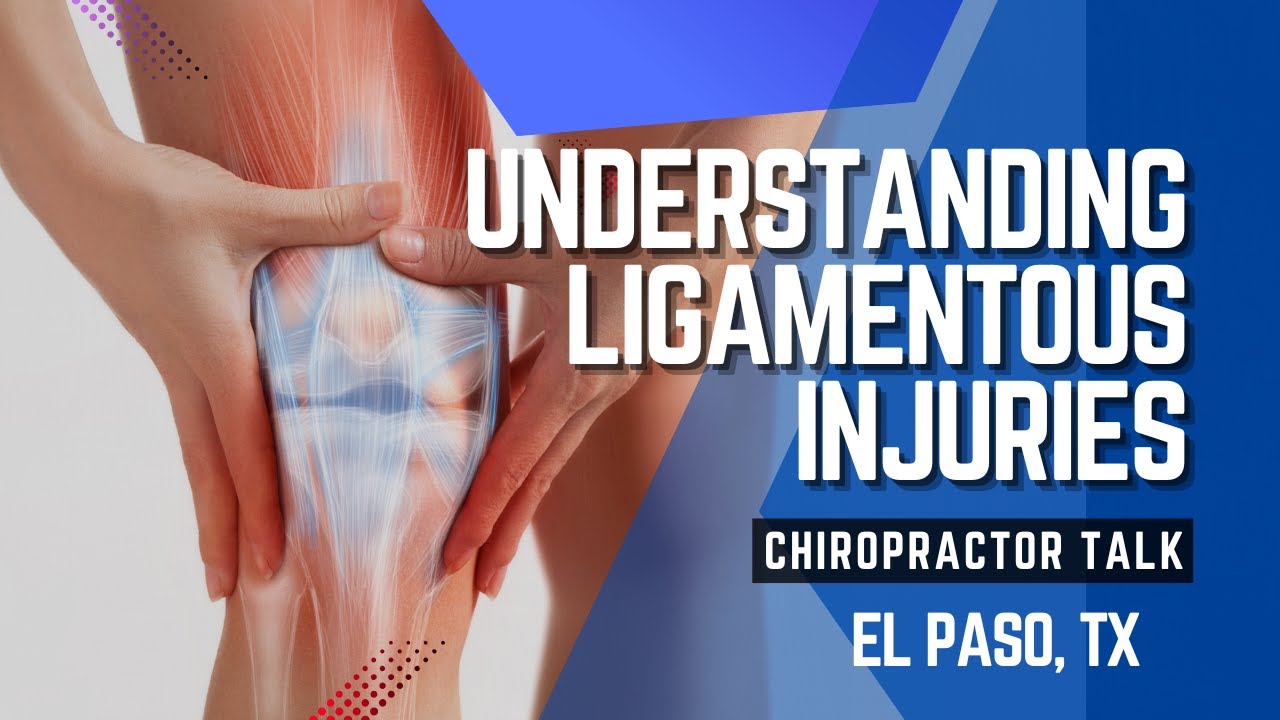
5 Things You Need to Know About Ligamentous Injuries Before They Get Worse- Video
Why Prolotherapy Works for Chronic Pain
The power of prolotherapy lies in its ability to address the root cause of many chronic musculoskeletal pain conditions: ligamentous laxity and tendinosis. Ligaments are the “stabilizers” of our joints. When they are injured or stretched (a sprain), they often do not heal back to their original tightness, leading to joint instability. This instability forces the surrounding muscles to work overtime to stabilize the joint, leading to chronic muscle spasm, fatigue, and pain. It can also cause abnormal wear and tear on the joint cartilage, leading to osteoarthritis.
Prolotherapy, by strengthening and tightening these weakened ligaments and repairing degenerated tendons, restores stability to the joint. This breaks the vicious cycle of instability, muscle spasm, and pain. It is not a pain-masking treatment; it is a restorative and curative therapy that corrects the underlying mechanical problem.
As a clinician with extensive experience in both chiropractic and functional medicine, I see prolotherapy as a perfect bridge. Chiropractic adjustments are excellent at restoring proper joint mechanics and nerve function, but if the ligaments supporting the joint are weak, the joint may not “hold” the adjustment. Prolotherapy strengthens those very ligaments, creating a stable foundation upon which chiropractic care and rehabilitation can build lasting results. This is the essence of our integrative approach—using the right tools in the right sequence to rebuild the patient from the ground up.
The Injection Procedure: Precision and Technique
When we prepare for the injection, precision is everything. Let’s imagine we are treating the Achilles tendon.
- Patient Positioning: The patient is positioned comfortably, typically lying prone with their foot hanging off the edge of the table to allow easy access to the entire length of the tendon and its insertion point on the calcaneus (heel bone).
- Sterile Preparation: The entire area is meticulously cleaned with an antiseptic solution like chlorhexidine or Betadine to minimize the risk of infection.
- The “Peppering” Technique: We don’t just do one large injection. The goal is to stimulate a broad area of tissue. We use a technique called “peppering,” where the needle is inserted and then fanned out to make multiple small deposits of the prolotherapy solution throughout the degenerated portion of the tendon and, critically, at the enthesis (the fibrocartilaginous junction where the tendon inserts into the bone). The enthesis is a common site of pathology and pain, and it is rich in proprioceptive nerve endings and has a poor blood supply, making it notoriously slow to heal on its own.
- Mixing the Solution: In the syringe, we draw up the 50% dextrose and the 2% lidocaine. The lidocaine serves two purposes: it provides immediate anesthesia to make the procedure more comfortable, and it also contributes to the initial inflammatory signal, as local anesthetics can have a mild irritant effect on cells. The final mixture is tailored to the specific tissue and patient.
This procedure, when performed by a skilled practitioner, is safe and remarkably effective. It harnesses the body’s own powerful, innate healing intelligence and directs it to the precise area where it is needed most. It is a cornerstone of regenerative medicine and a powerful tool in our arsenal against chronic musculoskeletal pain.
Expanding the Regenerative Toolkit: PRP and Stem Cells
While dextrose prolotherapy is a powerful and foundational treatment, it is part of a broader spectrum of orthobiologics—substances derived from the body that can help injuries heal. Two other key players in this field are Platelet-Rich Plasma (PRP) and mesenchymal stem cells (MSCs). Understanding how these therapies relate to and build upon the principles of prolotherapy is essential for creating a truly customized treatment plan.
The central concept connecting all these therapies is stimulating the body’s healing cascade. They all work by delivering a concentrated dose of the biological signals needed for tissue repair. The primary difference lies in the potency and composition of the “signal” being delivered.
Platelet-Rich Plasma (PRP): Concentrating the Body’s First Responders
If dextrose prolotherapy is like sending a general alarm to call in the body’s healing factors, PRP is like delivering the healing factors themselves directly to the site in a highly concentrated form.
- What is PRP? Platelets, or thrombocytes, are small, anuclear cell fragments in our blood. While their most famous role is in blood clotting, they are also miniature powerhouses of healing. Their cytoplasm is packed with alpha granules, which are tiny storage sacs filled with a vast array of potent growth factors. These are the very same growth factors (PDGF, TGF-β, VEGF, etc.) that are released during the initial inflammatory phase of healing triggered by prolotherapy. PRP therapy involves concentrating these platelets from the patient’s own blood and injecting them into the injured area.
- The PRP Procedure:
-
- Blood Draw: The process is simple and safe. We draw a small amount of the patient’s blood, just like a standard lab test, into a special tube containing an anticoagulant.
- Centrifugation: This tube is then placed in a centrifuge, a machine that spins at high speed. The spinning separates the blood into its different components based on density. The heavier red blood cells fall to the bottom, the lighter plasma (the liquid portion of blood) and platelets rise to the top, and a thin layer in between, called the “buffy coat,” is where the platelets and white blood cells are most concentrated.
- Extraction and Injection: We carefully extract this platelet-rich layer, which can have a platelet concentration 3 to 10 times greater than that of normal blood. This golden-colored liquid, the PRP, is then immediately injected into the patient’s injured tendon, ligament, or joint using the same sterile, precise techniques (like ultrasound guidance) as prolotherapy.
- PRP vs. Prolotherapy: When to Use Which?
-
- Prolotherapy is often my first-line treatment for more diffuse conditions like generalized ligamentous laxity or mild to moderate tendinosis. It is cost-effective, has a long track record of safety, and is excellent at “waking up” the healing process over a broad area. It’s like tilling the soil and adding a general fertilizer.
- PRP is a more potent, targeted therapy. I often reserve it for more significant injuries, such as partial tendon tears, moderate to severe tendinosis, or cases where prolotherapy has not yielded a complete response. It is also particularly effective for intra-articular (in-joint) conditions like osteoarthritis, as it provides a concentrated bath of anti-inflammatory and regenerative growth factors directly to the damaged cartilage and synovium. Think of PRP as a specialized, high-potency fertilizer applied directly to the root of a struggling plant.
From a clinical standpoint, the combination of our services works synergistically. A patient might receive a chiropractic adjustment to align the pelvis and sacroiliac joints, followed by prolotherapy to the sacroiliac ligaments to provide long-term stability, and then a PRP injection into a specific torn ligament or degenerated disc identified on an MRI. This multi-layered approach addresses the problem from every angle: mechanical, structural, and biological.
Mesenchymal Stem Cells (MSCs): The Master Coordinators of Repair
If PRP delivers the project managers (growth factors), stem cell therapy delivers the master architects and a fresh construction crew. This represents the most advanced frontier of regenerative medicine currently in clinical use.
- What are MSCs? Mesenchymal stem cells are multipotent stromal cells that can differentiate into a variety of cell types, including osteoblasts (bone cells), chondrocytes (cartilage cells), myocytes (muscle cells), and adipocytes (fat cells). However, their primary therapeutic action in orthopedics is not necessarily by differentiating into new tissue themselves. Instead, they act as powerful “orchestrators” of the healing environment through a paracrine effect.
- The Paracrine Effect: When injected into an injured area, MSCs release a powerful cocktail of trophic (growth-promoting), anti-inflammatory, and immunomodulatory factors. They essentially assess the local environment and secrete the specific molecules needed to:
-
- Potently suppress inflammation: They can calm an overly aggressive inflammatory response that might be damaging tissue.
- Inhibit apoptosis (cell death): They protect existing healthy cells from dying off in the harsh environment of an injury.
- Promote angiogenesis: They stimulate the formation of new, healthy blood vessels.
- Recruit native stem cells: They send out signals that call the body’s own resident stem cells to the site of injury to participate in the repair.
- Modulate the immune system: They prevent the immune system from attacking the healing tissue.
- Sources of MSCs: In clinical practice, MSCs are typically harvested from the patient’s own body (autologous). The two most common sources are:
-
- Bone Marrow Aspirate Concentrate (BMAC): This involves a minimally invasive procedure, usually done under local anesthesia, where a needle is used to draw bone marrow from the iliac crest (the back of the hip bone). The aspirate is then centrifuged to concentrate the stem cells and other regenerative cells. BMAC is a rich source of MSCs and hematopoietic stem cells (which form blood cells), as well as a full complement of growth factors similar to PRP.
- Adipose-Derived Stem Cells (ADSCs): This involves a mini-liposuction procedure, where a small amount of fat tissue is harvested, typically from the abdomen or flank. The fat is then processed to isolate the stromal vascular fraction (SVF), which is extremely rich in ADSCs. Adipose tissue is a particularly dense source of MSCs, containing hundreds of times more stem cells per gram than bone marrow.
- Clinical Application: Stem cell therapy is typically reserved for the most severe cases: significant partial or full-thickness tendon tears, advanced osteoarthritis, or degenerative disc disease, where the goal is not only to stop degeneration but to achieve significant structural regeneration.
In our integrative clinic, a decision to use stem cell therapy would be made after a comprehensive evaluation involving both Dr. Cardena and mes. We would review advanced imaging (MRI), assess the patient’s overall health and comorbidities, and have a thorough discussion about the risks, benefits, and realistic expectations. The procedure itself would be performed under the highest medical standards, often utilizing imaging guidance (ultrasound or fluoroscopy) to ensure precise placement of these precious cells.
The journey from prolotherapy to PRP to stem cells is a journey of increasing biological potency. By having all these tools at our disposal, we can tailor the regenerative stimulus to the exact needs of the patient and the specific nature of their injury, embodying the true meaning of personalized, evidence-based medicine.
The Foundational Role of Chiropractic Care in Musculoskeletal Healing
While advanced regenerative injections like prolotherapy and PRP are powerful tools for stimulating tissue repair at a cellular level, they are not a magic bullet. True, lasting healing requires a holistic approach that addresses the entire kinetic chain—the interconnected system of bones, joints, muscles, and nerves that governs how we move. This is where chiropractic care serves as the indispensable foundation of our treatment paradigm.
At its core, chiropractic philosophy is rooted in the principle that the body has an innate intelligence (innate wisdom) to heal itself. The nervous system, housed within the spinal column, is the master control system that coordinates this healing. When the spine is misaligned, a condition chiropractors call a vertebral subluxation, it can interfere with the normal transmission of nerve signals. This not only causes local pain and muscle spasm but can also disrupt the function of the very tissues and organs that those nerves supply, impeding the body’s ability to heal and regulate itself.
Biomechanics: The “Why” Behind the Injury
Before we even consider an injection, my first step as a chiropractor is to perform a thorough biomechanical analysis. Why did this patient develop Achilles tendinosis in the first place? It’s rarely just an isolated problem in the tendon itself. The answer often lies “upstream” in the kinetic chain.
- Case Example: The Achilles Tendon: A patient presents with right-sided Achilles pain. A conventional approach might focus on the ankle. My chiropractic and functional movement assessment, however, might reveal:
-
- A Pelvic Tilt: The patient’s right ilium may be rotated posteriorly, causing a functional leg length discrepancy. This makes the right leg effectively “shorter,” altering the way their foot strikes the ground with every step.
- Overpronation: This pelvic imbalance can lead the foot to roll inward (overpronate) to compensate excessively. Overpronation places a “whipping” or torsional strain on the Achilles tendon, creating micro-trauma with every step.
- Sacroiliac Joint Dysfunction: The underlying cause of the pelvic tilt could be a fixation or misalignment in the sacroiliac (SI) joint.
- Lumbar Spine Subluxation: The SI joint dysfunction might, in turn, be a compensation for a subluxation in the lower lumbar spine (e.g., L4/L5), potentially irritating the nerve roots that contribute to the sciatic nerve, which controls the muscles of the lower leg.
You can see how the pain in the ankle is just the “symptom” of a cascade of biomechanical failures. Simply injecting the Achilles tendon without correcting these underlying structural faults is like patching a crack in a wall without fixing the crumbling foundation. The crack will inevitably return.
The Chiropractic Adjustment: Restoring Neuromechanical Function
The primary tool I use to correct these faults is the chiropractic adjustment. This is a specific, gentle, and controlled force applied to a joint to restore its proper motion and alignment.
- Restoring Joint Mobility: The adjustment breaks up adhesions and releases fixations in the joints of the spine, pelvis, and extremities (including the foot and ankle). By restoring normal movement to the SI joint and lumbar vertebrae, we can correct the pelvic tilt and leg length discrepancy.
- Normalizing Nerve Function: By correcting the subluxation, we remove the interference from the nervous system. This has several profound effects:
-
- Pain Reduction: It reduces the direct irritation of nerve roots and mechanoreceptors in the joint capsule, providing immediate pain relief.
- Muscle Relaxation: It resets the nerve signals to the surrounding muscles, breaking the cycle of chronic muscle spasm and guarding that contributes to pain and dysfunction. For our Achilles patient, this means the tight calf muscles (gastrocnemius and soleus) that are constantly pulling on the tendon can finally relax.
- Improved Proprioception: Proprioception is the body’s sense of its position in space, managed by nerve endings in our joints and muscles. An adjustment “re-calibrates” these signals, improving balance, coordination, and neuromuscular control. This is crucial for preventing re-injury.
- Facilitating Systemic Healing: By optimizing nervous system function, we are ensuring that the brain can effectively coordinate the healing process throughout the body. The signals to release anti-inflammatory cytokines, to direct blood flow, and to activate the cellular repair mechanisms we stimulate with prolotherapy are all transmitted and managed by the nervous system. A well-adjusted spine ensures this communication network is free of static and interference.
Integrating Adjustments with Regenerative Therapies
In our clinic, chiropractic adjustments and regenerative injections are not separate treatments; they are two parts of a single, integrated plan.
- Preparation: Before a regenerative procedure, I will often perform a series of adjustments. The goal is to create a biomechanically neutral and stable environment. By aligning the pelvis, spine, and foot/ankle complex before we inject, we ensure that the tendon or ligament we are treating is not under abnormal stress during the initial, critical phase of healing.
- During the Healing Process: Following an injection, gentle, specific adjustments continue to be a key part of the protocol. We avoid aggressive manipulation of the treated joint itself, but we continue to adjust adjacent areas to maintain overall alignment. This prevents compensatory patterns from developing while the treated area is healing. For instance, while the patient is in a walking boot for their Achilles, we will regularly adjust their pelvis and lumbar spine to counteract the gait changes and stresses imposed by the boot.
- Long-Term Stabilization: Once the ligaments and tendons are strengthened by prolotherapy or PRP, the chiropractic adjustments become even more effective. A stable, regenerated ligamentous system can now “hold” the adjustment, preventing the recurrence of subluxations and ensuring long-term biomechanical integrity.
This synergy between restoring structure (chiropractic) and regenerating tissue (prolotherapy/PRP), all under the watchful medical oversight of Dr. Cardenas, is the hallmark of our practice. We are not just chasing pain; we are rebuilding the patient’s entire neuromusculoskeletal system to be stronger, more stable, and more resilient than it was before the injury.
Clinical Pearls and Advanced Considerations
Drawing upon years of clinical practice and a deep dive into the scientific literature, we integrate several nuanced concepts and advanced protocols into our patient care plans. These “clinical pearls” often make the difference between a good outcome and a great one, reflecting a sophisticated understanding of human physiology and the art of personalized medicine.
The Importance of a Comprehensive Diagnostic Workup
Before any needle touches the skin, a thorough and accurate diagnosis is the bedrock of our approach. This goes far beyond just identifying the painful spot.
- History is Paramount: The patient’s story tells us so much. I spend a significant amount of time listening. When did the pain start? What was the mechanism of injury? What makes it better or worse? Are there patterns to the pain throughout the day? A truck driver’s Achilles pain will have a different mechanical origin story than a marathon runner’s. This narrative guides our physical exam.
- Physical Examination: This is a hands-on, multi-system evaluation.
-
- Palpation: We palpate not just the site of pain but the entire kinetic chain. For Achilles pain, this means feeling the texture and tenderness of the tendon, the calf muscles, the hamstring attachments, the gluteal muscles, the sacroiliac ligaments, and the paraspinal muscles of the lumbar spine. Tendinosis often feels nodular, thickened, and exquisitely tender.
- Range of Motion Testing: We assess both active and passive range of motion in all related joints to identify restrictions.
- Orthopedic and Neurological Testing: Specific tests (like Thompson’s test to rule out an Achilles rupture) are crucial. We also check reflexes, sensation, and muscle strength to assess for any neurological compromise.
- Diagnostic Imaging:
-
- Musculoskeletal Ultrasound (MSKUS): This is one of the most valuable tools in my office. With diagnostic ultrasound, I can visualize the tendon in real-time. I can see the disorganized fibers, the thickening, the neovascularity of tendinosis, and the precise location of any partial tears. It is also an invaluable tool for guiding our injections, allowing us to place the needle with millimeter accuracy directly into the pathological tissue, while avoiding sensitive structures like nerves and blood vessels. This is a significant advantage over “blind” injections.
- MRI: For more complex cases, or to evaluate intra-articular structures like cartilage, menisci, or the spinal discs, an MRI is the gold standard. The decision to order an MRI is often made in consultation with Dr. Cardenas, ensuring it is medically appropriate.
Functional Medicine: Addressing Systemic Barriers to Healing
A musculoskeletal injury does not happen in a vacuum. The body’s ability to mount an effective healing response is profoundly influenced by its overall systemic health. This is where my functional medicine training becomes critical. We look for and address factors that may be sabotaging the healing process from the inside out.
- Nutritional Status: Tissue repair is an energy-intensive process that requires specific building blocks. We assess for and correct deficiencies in key nutrients:
-
- Vitamin C: Essential for collagen synthesis.
- Zinc and Copper: Co-factors for enzymes involved in cross-linking collagen fibers.
- Amino Acids: Especially proline, lysine, and glycine, which are the primary amino acids that make up collagen. We may recommend a high-quality collagen or specific amino acid supplement.
- Protein Intake: Patients need adequate protein to fuel tissue regeneration.
- Systemic Inflammation: While we want to induce localized inflammation with prolotherapy, chronic, systemic inflammation is detrimental to healing. It creates a “pro-degenerative” environment throughout the body. We use advanced blood tests (like hs-CRP, ESR, and cytokine panels) to assess a patient’s inflammatory status. We then use targeted nutritional and lifestyle interventions to lower systemic inflammation:
- Anti-Inflammatory Diet: Emphasizing whole foods, omega-3 fatty acids (from fish oil), and phytonutrients (from colorful fruits and vegetables), while removing pro-inflammatory foods like processed sugar, industrial seed oils, and refined carbohydrates.
- Gut Health: A leaky gut (intestinal permeability) is a major driver of systemic inflammation. We may incorporate protocols to heal the gut lining.
- Metabolic Health: Conditions like insulin resistance and diabetes are catastrophic for tendon health. High blood sugar leads to the formation of Advanced Glycation End-products (AGEs). These AGEs cross-link with collagen fibers, making them brittle, stiff, and prone to injury. They also impair blood flow and cellular function. For any patient with a chronic tendinopathy, screening for metabolic dysfunction is non-negotiable. Managing blood sugar through diet, exercise, and targeted supplements is often a prerequisite for a successful outcome with regenerative therapies.
- Hormonal Balance: Hormones like thyroid hormone, cortisol, and sex hormones play a role in tissue metabolism and repair. An imbalance, such as hypothyroidism or chronic high cortisol from stress, can significantly slow down healing.
By integrating these functional medicine principles, we ensure that the “soil” (the patient’s systemic environment) is fertile and ready to support the “seed” of regeneration that we plant with our injections.
The Post-Injection Protocol: A Roadmap to Recovery
The treatment does not end when the patient leaves the clinic after their injection. The post-procedure period is just as important as the procedure itself. Each patient receives a detailed, written protocol that outlines what to expect and what to do.
- Managing Post-Injection Soreness: We explain that it is normal and, in fact, desirable to experience some soreness, stiffness, and swelling for a few days after the injection. This is a sign that the desired inflammatory healing cascade has been successfully initiated.
- STRICT AVOIDANCE of Anti-Inflammatories: This is a crucial point. We instruct patients to avoid all NSAIDs (like ibuprofen, naproxen) and ice for at least two weeks, and preferably throughout the entire course of treatment. These agents block the very inflammatory pathways (specifically the prostaglandin pathway) that we are trying to stimulate. Taking them is like calling the fire department to put out the controlled burn we just started. For pain management, we recommend acetaminophen (Tylenol), which is a pain reliever but not a potent anti-inflammatory, or natural anti-inflammatory support that works on different pathways, like curcumin or boswellia, after the initial acute phase.
- Activity Modification and Rehabilitation: The protocol provides a week-by-week guide to activity.
-
- Week 1 (Protection Phase): As discussed, this often involves immobilization in a boot or sling. The focus is on relative rest and protecting the healing tissue. Gentle, pain-free range of motion is encouraged to prevent stiffness.
- Weeks 2-6 (Proliferation/Early Remodeling): We begin to introduce gentle, controlled stress. For the Achilles, this is when we would start isometric exercises (contracting the muscle without moving the joint) and then progress to very light eccentric exercises. Eccentric loading (lengthening the muscle-tendon unit under tension) has been shown in numerous studies to be the most effective stimulus for promoting healthy collagen remodeling in tendons.
- Week 6+ (Remodeling and Strengthening): We gradually increase the intensity and complexity of the exercises, progressing towards functional movements that mimic the patient’s daily activities or sport. This is a collaborative process involving myself, the patient, and sometimes our dedicated rehabilitation staff.
This structured, phased approach ensures that we apply the right type of mechanical stress at the right time, guiding healing tissue to mature into a strong, resilient, and fully functional structure. It is this meticulous attention to detail, from the initial diagnosis to the final stages of rehabilitation, that defines a truly comprehensive and successful regenerative medicine program.
References
- Dextrose prolotherapy for unresolved neck pain. (n.d.). Journal of Prolotherapy. Retrieved July 19, 2026, from https://journalofprolotherapy.com/dextrose-prolotherapy-for-unresolved-neck-pain/
- Rabago, D., & Nourani, B. (2017). Prolotherapy for athletic, recreational, and work-related soft tissue injuries. Journal of Prolotherapy, 9(1), e975-e983. https://journalofprolotherapy.com/prolotherapy-athletic-recreational-work-related-soft-tissue-injuries/
- Reeves, K. D., & Hassanein, K. (2000). Randomized prospective double-masked placebo-controlled study of dextrose prolotherapy for knee osteoarthritis with or without ACL laxity. Alternative Therapies in Health and Medicine, 6(2), 68–80.
- Standard of care for prolotherapy. (n.d.). Journal of Prolotherapy. Retrieved July 19, 2026, from https://journalofprolotherapy.com/standard-of-care-for-prolotherapy/
- The international conference on prolotherapy. (n.d.). Journal of Prolotherapy. Retrieved July 19, 2026, from https://journalofprolotherapy.com/the-international-conference-on-prolotherapy/
SEO Tags: Dr. Alex Jimenez, Dr. Maria Guadalupe Cardenas, Integrative Medicine, Chiropractic Care, El Paso TX, Prolotherapy, Achilles Tendonitis, Tendinosis, Regenerative Medicine, Platelet-Rich Plasma, PRP, Stem Cell Therapy, Functional Medicine, Musculoskeletal Injury, Chronic Pain, Biomechanics, Vertebral Subluxation, Chiropractic Adjustment, Personal Injury Care, Rehabilitation, Dextrose Prolotherapy, Ligament Laxity, Joint Instability, Holistic Healthcare
Professional Scope of Practice *
The information herein on "Restorative Injection Therapy Effectiveness for Muscle Pain" is not intended to replace a one-on-one relationship with a qualified health care professional or licensed physician and is not medical advice. We encourage you to make healthcare decisions based on your research and partnership with a qualified healthcare professional.
Blog Information & Scope Discussions
Welcome to El Paso's Premier Wellness and Injury Care Clinic & Wellness Blog, where Dr. Alex Jimenez, DC, FNP-C, a Multi-State board-certified Family Practice Nurse Practitioner (FNP-BC) and Chiropractor (DC), presents insights on how our multidisciplinary team is dedicated to holistic healing and personalized care. Our practice aligns with evidence-based treatment protocols inspired by integrative medicine principles, similar to those found on this site and our family practice-based chiromed.com site, focusing on restoring health naturally for patients of all ages.
Our areas of multidisciplinary practice include Wellness & Nutrition, Chronic Pain, Personal Injury, Auto Accident Care, Work Injuries, Back Injury, Low Back Pain, Neck Pain, Migraine Headaches, Sports Injuries, Severe Sciatica, Scoliosis, Complex Herniated Discs, Fibromyalgia, Chronic Pain, Complex Injuries, Stress Management, Functional Medicine Treatments, and in-scope care protocols.
Our information scope is multidisciplinary, focusing on musculoskeletal and physical medicine, wellness, contributing etiological viscerosomatic disturbances within clinical presentations, associated somato-visceral reflex clinical dynamics, subluxation complexes, sensitive health issues, and functional medicine articles, topics, and discussions.
We provide and present clinical collaboration with specialists from various disciplines. Each specialist is governed by their professional scope of practice and their jurisdiction of licensure. We use functional health & wellness protocols to treat and support care for musculoskeletal injuries or disorders.
Our videos, posts, topics, and insights address clinical matters and issues that are directly or indirectly related to our clinical scope of practice.
Our office has made a reasonable effort to provide supportive citations and has identified relevant research studies that support our posts. We provide copies of supporting research studies upon request to regulatory boards and the public.
We understand that we cover matters that require an additional explanation of how they may assist in a particular care plan or treatment protocol; therefore, to discuss the subject matter above further, please feel free to ask Dr. Alex Jimenez, DC, APRN, FNP-BC, or contact us at 915-850-0900.
We are here to help you and your family.
Blessings
Dr. Alex Jimenez DC, MSACP, APRN, FNP-BC*, CCST, IFMCP, CFMP, ATN
Email: [email protected]
Multidisciplinary Licensing & Board Certifications:
Licensed as a Doctor of Chiropractic (DC) in Texas & New Mexico*
Chiropractic Licenses:
Texas DC License #: TX5807, Verified: TX5807
New Mexico DC License #: NM-DC2182, Verified: NM-DC2182
Nurse Practitioner Licenses:
Texas APRN License #: 1191402, Verified: 1191402 *
New Mexico CNP License #: 90560, Verified 90560
Florida APRN License #: 11043890, Verified: APRN11043890 *
Colorado License #: C-APN.0105610-C-NP, Verified: C-APN.0105610-C-NP
New York License #: N25929, Verified N25929
Georgia APRN License #: GAA-NP005701
Multi-State Advanced Practice Registered Nurse (APRN*) Texas & Multi-States
Multi-state Compact APRN License by Endorsement (43 States)
Compact Status: Multi-State License: Authorized to Practice in 43 States*
Nursing Licensure Compact: Updated Here
DEA Registration: (Drug Enforcement Agency Registered)
All medical (MDs) and family practice providers (FNP-APRN) are registered and licensed to offer various levels of medication.
Verify Providers Here
License Verification Link: Nursys License Verifier
* Prescriptive Authority Authorized (DEA Registered Providers). Call if Required
Board Certification:
ANCC FNP-BC: Board Certified Nurse Practitioner*
Education:
Graduate with Honors: ICHS: MSN-FNP (Family Nurse Practitioner Program)
Degree Granted. Master's in Family Practice, MSN Diploma (Cum Laude)
Dr. Alex Jimenez, DC, APRN, FNP-BC*, CFMP, IFMCP, ATN, CCST
(Board Certified: Family Practice Nurse Practitioner—Multistate)*
(Licensed Nurse Practitioner & Chiropractor - Multistate)*
Clinical Director
DC & FNP License (Review Above)
Digital Business Card
NPI: 1205907805
Dr. Maria Cardenas, MD
(Board Certified: Internal Medicine)
(Licensed Medical Doctor)
Medical Director, Clinical Director & Collaborative Physician
NPI # 1164426748
MD License #: J2933
Licenses and Board Certifications:
MD: Medical Doctor
DC: Doctor of Chiropractic
APRNP: Advanced Practice Registered Nurse
FNP-BC: Family Practice Specialization (Multi-State Board Certified)
FNP-BC: Family Practice Across Life Span (Neonatal to Geriatrics)
RN: Registered Nurse (Multi-State Compact License)
CFMP: Certified Functional Medicine Provider
MSN-FNP: Master of Science in Family Practice Medicine
MSACP: Master of Science in Advanced Clinical Practice
IFMCP: Institute of Functional Medicine
CCST: Certified Chiropractic Spinal Trauma
ATN: Advanced Translational Neutrogenomics
Family with Primary Care Focus (Family Nurse Practitioner or FNP)
- The Family Nurse Practitioner (FNP) promotes, maintains, and restores health for individuals and families across the lifespan. FNPs also identify health risks, promote wellness, and diagnose and manage acute and chronic illness.
- The FNP focuses on comprehensive primary care, promoting healthy lifestyles for patients across the lifespan in settings such as private practice, physician offices, and community health centers.
Memberships & Associations:
TCA: Texas Chiropractic Association: Member ID: 104311
TNA: Texas Nurse Association: Member ID: 06458222
TNP: Texas Nurse Practitioner Association ID: 2025091511
AANP: American Association of Nurse Practitioners: Member ID: 2198960
ANA: American Nurses Association: Member ID: 06458222 (District TX01)
| Primary Taxonomy | Selected Taxonomy | State | License Number |
|---|---|---|---|
| No | 111N00000X - Chiropractor | NM | DC2182 |
| Yes | 111N00000X - Chiropractor | TX | DC5807 |
| Yes | 363LF0000X - Nurse Practitioner - Family | TX | 1191402 |
| Yes | 363LF0000X - Nurse Practitioner - Family | FL | 11043890 |
| Yes | 363LF0000X - Nurse Practitioner - Family | CO | C-APN.0105610-C-NP |
| Yes | 363LF0000X - Nurse Practitioner - Family | NY | N25929 |
| Yes | 363LF0000X - Nurse Practitioner - Family | NM |
90560 |
| Yes | 363LF0000X - Nurse Practitioner - Family | GA | GAA-NP005701 |
Dr. Alex Jimenez, DC, APRN, FNP-BC*, CFMP, IFMCP, ATN, CCST
(Board Certified: Family Practice Nurse Practitioner—Multistate)*
(Primary Care Across Lifespan—Neonatal / Pediatric / Adult / Geriatrics)
(Licensed Nurse Practitioner & Chiropractor - Multistate)*
Clinical Director
Digital Business Card
NPI: 1205907805
Dr. Maria Cardenas, MD
(Board Certified: Internal Medicine)*
(Licensed Medical Doctor)*
Medical Director, Clinical Director & Collaborative Physician
NPI # 1164426748
MD License #: J2933
📆 Schedule Appointment: Schedule 24/7 (Click Here)