Table of Contents
Chiropractic Wedges for Sciatica: Gentle, Gravity-Assisted Support for Pelvic Balance, Nerve Comfort, and Better Movement (Sciatica.Clinic)
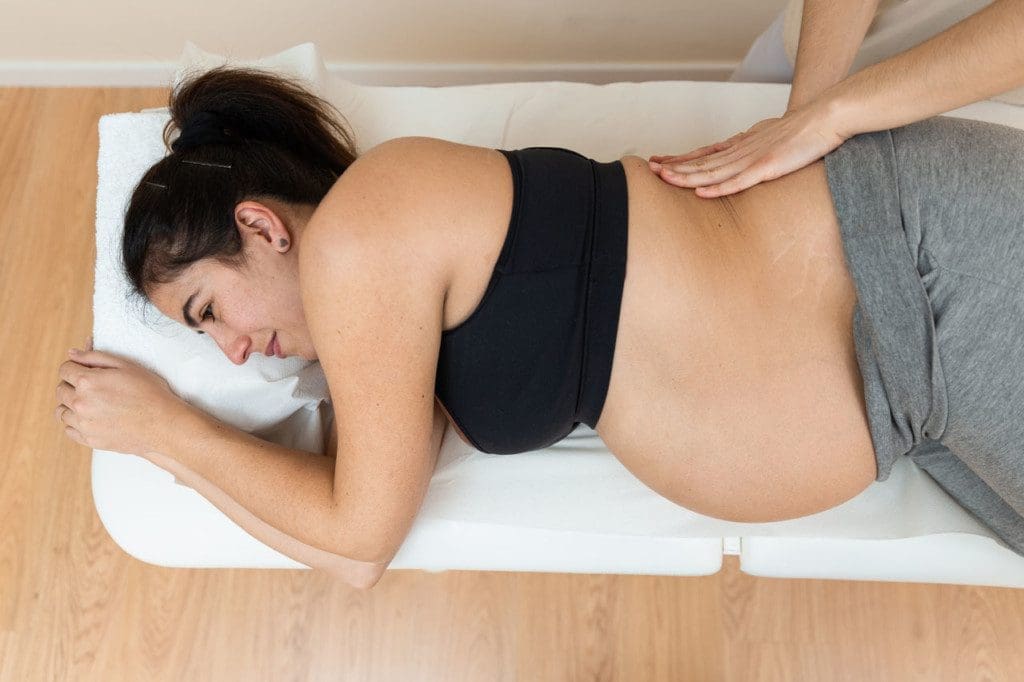
Sciatica can feel confusing and frustrating. One day, it’s a dull ache in the lower back. The next day, it’s a sharp, burning, or electric pain traveling into the buttock, hip, or leg. Many people also notice tight hamstrings, numbness, tingling, or weakness that makes walking, sitting, or sleeping harder.
At Sciatica.Clinic, the goal is simple: identify what’s driving your sciatic-type symptoms, reduce irritation to the nerve system, and rebuild healthier movement patterns—using a conservative, structured plan.
One tool that often fits well in a sciatica-focused plan is the chiropractic wedge.
Chiropractic wedges are triangle-shaped foam or orthopedic supports placed under specific body parts—most commonly the neck, pelvis/hips, or feet. They help guide the body into a more supportive position so gravity can do part of the work. Wedges are typically used to support alignment, reduce postural strain, and improve mobility with a gentle, low-force approach (Diamond State Chiropractic, 2024).
For many people with sciatica-like pain, wedges are useful because they can help address common drivers of nerve irritation, such as:
-
pelvic tilt or imbalance
-
lumbar (low-back) joint stress
-
tight or guarded muscles around the hips and spine
-
foot mechanics that overload the knees/hips/back
Chiropractic care is often described as involving manual therapy and other conservative approaches used by many people for pain-related concerns (National Center for Complementary and Integrative Health [NCCIH], 2024). In integrative settings, wedge-based positioning may be combined with hands-on care, rehab exercise, and lifestyle coaching to improve function and quality of life.
What Are Chiropractic Wedges (and Why Sciatica Patients Care)?
A wedge is an angled support that changes the position of your body just enough to:
-
decrease compression in sensitive areas
-
support more neutral joint angles
-
relax protective muscle tightness
-
encourage gentle traction or “space” in targeted regions
-
improve posture awareness
In sciatica care, wedges are not used because they are “magic.” They are used because positioning matters—especially when nerve symptoms flare with certain postures, like sitting slumped, standing unevenly, or twisting the pelvis.
At Sciatica.Clinic, wedges are often viewed as a comfort-first tool that can support:
-
gentle decompression positions
-
pelvic balancing strategies
-
rehabilitation for people who prefer non-thrust care
-
home-care routines that reinforce clinic progress
Why “Gravity-Assisted” Care Can Be a Smart Fit for Sciatica
Sciatica symptoms can make people sensitive to aggressive movement. When the nervous system is irritated, the body often responds with:
-
muscle guarding (tightness that won’t “let go”)
-
pain with sudden motion
-
fear of movement due to sharp symptoms
Wedges can help because they usually create passive correction:
-
your body rests in a supported position
-
gravity provides gentle traction or repositioning
-
the approach is often calm, controlled, and tolerable
Some clinics describe wedges as especially useful for acute patients, older individuals, and people who want a gentle approach (Walkley Chiropractic Group, n.d.). That same logic can apply to many sciatica cases—especially when symptoms spike or when someone needs a slower ramp-up.
The Main Wedges Used in Chiropractic Care (With a Sciatica.Clinic Angle)
Pelvic Wedges/SOT Blocks: A “Foundation Reset” for Sciatica Patterns
For sciatica-like pain, the pelvis and sacrum matter. When the pelvis is tilted or rotating, the lower back often compensates. That can increase the load on joints, discs, and soft tissues that contribute to sciatic symptoms.
In Sacro Occipital Technique (SOT) methods, two wedges (blocks) may be placed under the pelvis while the patient lies prone. These wedges create a fulcrum that encourages gentle pelvic and sacral balancing with gravity rather than force (Tiger Lily Chiropractic, n.d.).
Why this can matter for sciatica-like symptoms:
-
improved pelvic symmetry can reduce uneven lumbar stress
-
gentle positioning can relax hip and low-back muscles
-
calmer mechanics can reduce “compression-style” irritation patterns
What it may feel like:
-
mild pressure under the hips
-
a gentle “settling” sensation
-
gradual relaxation in the low back/hips
Pelvic wedge demonstrations are widely shared for home care education, though individual setup should be guided by a clinician (YouTube, n.d.-b).
Neck Wedges (Cervical): Why the Neck Matters in Whole-Body Mechanics
It surprises many people, but posture is a chain. Forward head posture can increase upper-back tension, alter breathing mechanics, and affect how your spine stacks when you sit and stand. Over time, that can affect how your lower back carries a load.
Neck wedges are commonly described as tools used to support the natural curve of the neck and reduce pressure and tension (CORE Chiropractic, 2016). Some guidance sources also share practical do’s and don’ts for safe use (Pure-Health, 2024).
How Sciatica.Clinic may use this idea:
-
reduce global postural strain
-
support better “stacking” of the spine
-
improve comfort during rehab training
-
help people who sit a lot (which often aggravates sciatica)
Neck wedge positioning is often taught as short-duration, typically around a few minutes at a time, depending on the plan (CORE Chiropractic, 2016; YouTube, n.d.-a).
Foot Wedges: Because Your Feet Can Change Your Pelvis
Your feet are your foundation. If the foot collapses inward (overpronation) or stays rigid and under-absorbs force, the rest of the body adapts. That may influence:
-
knee tracking
-
hip rotation
-
pelvic tilt
-
lumbar load patterns
Some foot-wedge resources explain how wedges can influence motion and help with persistent pain patterns or recurrent aches by altering mechanics and pressure distribution (Physioflexx Ayrshire, n.d.).
Sciatica connection:
When lower-body mechanics create uneven pelvic stress, the lower back may take the hit. When sciatica flares during walking, standing, or training, foot mechanics may play a crucial role.
Seat Wedges and Daily-Life Support: A Big Deal for Sitting Sciatica
Many patients with sciatica express that standing is manageable, but sitting causes them significant discomfort. Sitting increases load through the pelvis and low back, especially if the pelvis tucks under (posterior pelvic tilt) and the spine slumps.
Some chiropractic clinics recommend supportive products, such as seat wedges, to improve sitting posture and reduce strain for people who spend long hours sitting (Nexus Chiropractic Clinic, n.d.).
Sciatica.Clinic approach:
Seat wedge strategies are often paired with:
-
sitting breaks (micro-movement)
-
hip mobility drills
-
core and glute stability work
-
ergonomic guidance for car seats and desk chairs
What Wedges Can Help With (Realistic Expectations)
Wedges typically aim to support function and comfort. They are most useful when they are part of a plan.
Common goals include:
-
restoring healthier spinal curves and positioning
-
reducing postural strain that irritates symptoms
-
improving pelvic balance and reducing compensation
-
supporting gentle decompression positioning
-
making rehab feel safer and more tolerable
Wedges are often described in chiropractic technique discussions as a gentle way to support structural correction and reduce stress patterns in the spine (Diamond State Chiropractic, 2024).
Sciatica-Related Conditions Where Wedges May Be Considered
At Sciatica.Clinic, wedge use is often selected based on your exam findings and symptom triggers. Situations where wedges may be considered include:
-
low back pain with leg symptoms (sciatica-like patterns)
-
pelvic tilt or imbalance
-
sacroiliac joint irritation patterns
-
postural pain from prolonged sitting
-
hip tightness (piriformis and deep rotators)
-
gentle rehab needs (people who prefer low-force methods)
Wedges are also commonly described as helpful for people who want a non-thrust approach, including acute patients and older adults (Walkley Chiropractic Group, n.d.).
Tailbone Pain (Coccydynia) and Sciatica: Why the Pelvis and Sitting Matter
Some people have both sciatica-like pain and tailbone pain, especially when sitting, which triggers symptoms. Coccydynia is commonly described as pain around the tailbone, often worsened by sitting pressure (Cleveland, n.d.).
Dr. Alexander Jimenez, DC, APRN, FNP-BC, also discusses coccydynia and conservative strategies that emphasize reducing irritation and avoiding further aggravation (Jimenez, n.d.-c). In a sciatica-focused clinic, wedge-style sitting supports may be considered to:
-
reduce pressure during sitting
-
improve pelvic angle
-
reduce guarded muscle tension
-
support rehab progress
How Sciatica.Clinic Integrates Wedges Into a Full Plan
Wedges work best when used in combination. At Sciatica.Clinic, wedge care typically fits into a broader, step-by-step approach that includes:
Evaluation that matches the symptom pattern
A successful sciatica plan starts with figuring out:
-
where symptoms travel
-
what positions trigger symptoms (sitting, bending, walking)
-
what movements relieve symptoms
-
what areas show weakness or compensation
Gentle positioning to calm the system
Wedges may be used early to:
-
reduce compression-style discomfort
-
relax the hip and lower back guarding
-
help patients tolerate movement again
Manual care (when appropriate)
Chiropractic care is commonly described as involving manual therapy (NCCIH, 2024). In sciatica-focused care, the “right” manual approach depends on the person:
-
some do well with mobilization
-
others need low-force techniques
-
some need soft tissue and movement work first
Rehab that rebuilds stability
Many sciatica cases improve when you rebuild:
-
hip mobility (especially extension)
-
glute strength and endurance
-
core control and anti-rotation strength
-
walking mechanics and posture
Lifestyle coaching to reduce flare-ups
Sciatica often improves faster when daily triggers are addressed:
-
sitting posture and breaks
-
sleep position support
-
car seat setup
-
smart lifting mechanics
Holistic and integrative chiropractic descriptions often emphasize looking beyond isolated pain and considering lifestyle, movement, and nutrition as part of care (Poet’s Corner Medical Centre, 2024). Some integrative models also describe combining chiropractic care with other supportive therapies (Involve Health, n.d.).
“Mix-and-Match” Examples of Wedge Use in Sciatica Care
Here are practical examples of how wedges may be used—mixed with other supports—based on common clinic strategies.
Example A: Sitting Sciatica Flare-Up
Main trigger: sitting and driving
Possible wedge strategy: seat wedge + pelvic wedge positioning
Add-ons:
-
short walking breaks
-
hip flexor mobility
-
gentle nerve-friendly movement drills
(Reference concepts: Nexus Chiropractic Clinic, n.d.; Tiger Lily Chiropractic, n.d.)
Example B: Sciatica With Pelvic Imbalance Signs
Main trigger: standing unevenly, one-sided tightness
Possible wedge strategy: SOT pelvic blocks + foot wedge assessment
Add-ons:
-
glute strengthening
-
gait training
-
posture coaching
(Reference concepts: Tiger Lily Chiropractic, n.d.; Physioflexx Ayrshire, n.d.)
Example C: Sensitive Nervous System (Prefers Low-Force Care)
Main concern: “I’m afraid of twisting or popping.”
Possible wedge strategy: low-force wedge positioning and gradual progression
Add-ons:
-
soft tissue work
-
gentle stability training
-
pacing plan
(Reference concepts: Walkley Chiropractic Group, n.d.; NCCIH, 2024)
Safety First: Wedge Do’s and Don’ts for Sciatica Patients
Because sciatica symptoms can change quickly, wedge use should be guided by your clinician.
Do:
-
start with short sessions and build slowly
-
stop if symptoms get sharp, intense, or radiate more strongly
-
track what positions improve vs. worsen symptoms
-
follow clinic instructions closely
(Pure-Health, 2024)
Don’t:
-
force a stretch through sharp pain
-
“push through” increasing numbness or weakness
-
copy random wedge routines without an exam
-
assume more time is always better
(Pure-Health, 2024)
If you have red-flag symptoms (progressive weakness, loss of bowel/bladder control, severe unexplained pain), seek urgent medical evaluation.
Clinical Observations From Dr. Alexander Jimenez, DC, APRN, FNP-BC: Pelvis, Hips, and Compensation Patterns Matter
Dr. Jimenez frequently highlights a practical truth in injury care: pain often shows up where the body is overloaded, not always where the problem started. He discusses how hip and pelvic alignment issues can contribute to compensation patterns that affect the spine and daily function (Jimenez, n.d.-a; Jimenez, n.d.-b).
In sciatica-focused care, this matters because many patients have a pattern like:
-
hip stiffness → pelvic compensation → lumbar overload → nerve irritation signs
From that lens, wedges can be valuable because they help:
-
reduce uneven pelvic stress
-
support calmer positioning
-
make rehab exercises more tolerable
-
reinforce movement changes between visits
The Bottom Line for Sciatica.Clinic
Chiropractic wedges are simple, but they can be powerful when used correctly. They provide gentle, gravity-assisted support that may help improve pelvic balance, posture, and comfort—especially for people dealing with sciatica-like pain.
At Sciatica.Clinic, wedges are best seen as part of a complete plan that may include:
-
targeted evaluation
-
conservative manual care
-
rehab exercise
-
posture and lifestyle coaching
-
integrative options when appropriate
Chiropractic care is widely used for pain-related conditions and is typically described as involving manual therapy and supportive approaches (NCCIH, 2024). When wedge positioning is combined with individualized rehab and smart daily habits, many patients feel more stable, move with more confidence, and reduce flare-ups over time.
References
Cleveland, A. (n.d.). Tailbone Pain El Paso | Coccydynia.
CORE Chiropractic. (2016, February 8). Posture Exercises and Neck Wedges—Do You Need Them?.
Diamond State Chiropractic. (2024, October 29). 5 Common Chiropractic Techniques for Back and Neck Pain.
Involve Health. (n.d.). Chiropractic FAQs.
Jimenez, A. (n.d.-a). Out of Alignment Hips Decompression.
Jimenez, A. (n.d.-b). Ways to Improve Hip & Pelvic Pain With Chiropractic.
Jimenez, A. (n.d.-c). Tailbone Pain Also Known As Coccydynia El Paso, Texas.
National Center for Complementary and Integrative Health. (2024). Chiropractic: In Depth.
Nexus Chiropractic Clinic. (n.d.). Supportive Products.
Physioflexx Ayrshire. (n.d.). Foot Wedges.
Poet’s Corner Medical Centre. (2024, January 31). Why Should You Visit a Holistic Chiropractor?.
Pure-Health. (2024, August 25). Neck Traction Wedge—Do’s and Don’ts.
Tiger Lily Chiropractic. (n.d.). Our Techniques (Sacro Occipital Technique).
Walkley Chiropractic Group. (n.d.). Biomechanical Wedges.
YouTube. (n.d.-a). Neck Wedge Demonstration.
YouTube. (n.d.-b). Home Care: Pelvic Wedges.
Professional Scope of Practice *
The information herein on "Chiropractic Wedges for Sciatica Relief Techniques" is not intended to replace a one-on-one relationship with a qualified health care professional or licensed physician and is not medical advice. We encourage you to make healthcare decisions based on your research and partnership with a qualified healthcare professional.
Blog Information & Scope Discussions
Welcome to El Paso's Premier Wellness and Injury Care Clinic & Wellness Blog, where Dr. Alex Jimenez, DC, FNP-C, a Multi-State board-certified Family Practice Nurse Practitioner (FNP-BC) and Chiropractor (DC), presents insights on how our multidisciplinary team is dedicated to holistic healing and personalized care. Our practice aligns with evidence-based treatment protocols inspired by integrative medicine principles, similar to those found on this site and our family practice-based chiromed.com site, focusing on restoring health naturally for patients of all ages.
Our areas of multidisciplinary practice include Wellness & Nutrition, Chronic Pain, Personal Injury, Auto Accident Care, Work Injuries, Back Injury, Low Back Pain, Neck Pain, Migraine Headaches, Sports Injuries, Severe Sciatica, Scoliosis, Complex Herniated Discs, Fibromyalgia, Chronic Pain, Complex Injuries, Stress Management, Functional Medicine Treatments, and in-scope care protocols.
Our information scope is multidisciplinary, focusing on musculoskeletal and physical medicine, wellness, contributing etiological viscerosomatic disturbances within clinical presentations, associated somato-visceral reflex clinical dynamics, subluxation complexes, sensitive health issues, and functional medicine articles, topics, and discussions.
We provide and present clinical collaboration with specialists from various disciplines. Each specialist is governed by their professional scope of practice and their jurisdiction of licensure. We use functional health & wellness protocols to treat and support care for musculoskeletal injuries or disorders.
Our videos, posts, topics, and insights address clinical matters and issues that are directly or indirectly related to our clinical scope of practice.
Our office has made a reasonable effort to provide supportive citations and has identified relevant research studies that support our posts. We provide copies of supporting research studies upon request to regulatory boards and the public.
We understand that we cover matters that require an additional explanation of how they may assist in a particular care plan or treatment protocol; therefore, to discuss the subject matter above further, please feel free to ask Dr. Alex Jimenez, DC, APRN, FNP-BC, or contact us at 915-850-0900.
We are here to help you and your family.
Blessings
Dr. Alex Jimenez DC, MSACP, APRN, FNP-BC*, CCST, IFMCP, CFMP, ATN
email: [email protected]
Multidisciplinary Licensing & Board Certifications:
Licensed as a Doctor of Chiropractic (DC) in Texas & New Mexico*
Texas DC License #: TX5807, Verified: TX5807
New Mexico DC License #: NM-DC2182, Verified: NM-DC2182
Multi-State Advanced Practice Registered Nurse (APRN*) in Texas & Multi-States
Multi-state Compact APRN License by Endorsement (42 States)
Texas APRN License #: 1191402, Verified: 1191402 *
Florida APRN License #: 11043890, Verified: APRN11043890 *
Colorado License #: C-APN.0105610-C-NP, Verified: C-APN.0105610-C-NP
New York License #: N25929, Verified N25929
License Verification Link: Nursys License Verifier
* Prescriptive Authority Authorized
ANCC FNP-BC: Board Certified Nurse Practitioner*
Compact Status: Multi-State License: Authorized to Practice in 40 States*
Graduate with Honors: ICHS: MSN-FNP (Family Nurse Practitioner Program)
Degree Granted. Master's in Family Practice MSN Diploma (Cum Laude)
Dr. Alex Jimenez, DC, APRN, FNP-BC*, CFMP, IFMCP, ATN, CCST
My Digital Business Card
Licenses and Board Certifications:
DC: Doctor of Chiropractic
APRNP: Advanced Practice Registered Nurse
FNP-BC: Family Practice Specialization (Multi-State Board Certified)
RN: Registered Nurse (Multi-State Compact License)
CFMP: Certified Functional Medicine Provider
MSN-FNP: Master of Science in Family Practice Medicine
MSACP: Master of Science in Advanced Clinical Practice
IFMCP: Institute of Functional Medicine
CCST: Certified Chiropractic Spinal Trauma
ATN: Advanced Translational Neutrogenomics
Memberships & Associations:
TCA: Texas Chiropractic Association: Member ID: 104311
AANP: American Association of Nurse Practitioners: Member ID: 2198960
ANA: American Nurse Association: Member ID: 06458222 (District TX01)
TNA: Texas Nurse Association: Member ID: 06458222
NPI: 1205907805
| Primary Taxonomy | Selected Taxonomy | State | License Number |
|---|---|---|---|
| No | 111N00000X - Chiropractor | NM | DC2182 |
| Yes | 111N00000X - Chiropractor | TX | DC5807 |
| Yes | 363LF0000X - Nurse Practitioner - Family | TX | 1191402 |
| Yes | 363LF0000X - Nurse Practitioner - Family | FL | 11043890 |
| Yes | 363LF0000X - Nurse Practitioner - Family | CO | C-APN.0105610-C-NP |
| Yes | 363LF0000X - Nurse Practitioner - Family | NY | N25929 |
Dr. Alex Jimenez, DC, APRN, FNP-BC*, CFMP, IFMCP, ATN, CCST
My Digital Business Card