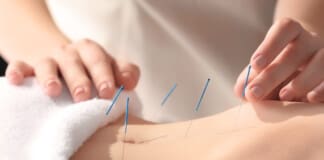
Chiropractic care for chronic pelvic pain offers techniques to alleviate discomfort and enhance overall wellness for patients.
Table of Contents
Chronic Pelvic Pain: How Chiropractic Care Can Support Pelvic and Lower-Extremity Function
Chronic pelvic pain can affect far more than the pelvis. For many people, persistent pelvic symptoms become intertwined with the low back, sacroiliac joints, hips, pelvic floor muscles, abdominal wall, buttocks, thighs, and even the way they stand and walk.
I am Dr. Alexander Jimenez, DC, APRN, FNP-BC. In clinical practice, I approach chronic pelvic pain as a multifactorial problem rather than assuming that one organ, one muscle, or one joint explains every symptom. Current evidence supports this broader perspective. Chronic pelvic pain may involve gynecologic, gastrointestinal, urinary, neurologic, vascular, musculoskeletal, and centralized pain mechanisms, and multiple contributors often occur simultaneously (As-Sanie et al., 2026; Lamvu et al., 2021).
For patients with a meaningful musculoskeletal component, chiropractic care can be one part of an interdisciplinary plan. Its role is not to “cure” conditions such as endometriosis, interstitial cystitis, adenomyosis, or other visceral diseases. Instead, appropriately selected chiropractic and rehabilitative care can address coexisting lumbopelvic joint dysfunction, restricted hip or spinal movement, muscle guarding, mechanical low back pain, altered gait, and other movement-related problems that may increase the patient’s overall pain burden.
What Is Chronic Pelvic Pain?
Chronic pelvic pain is generally defined as pain perceived to originate from pelvic organs or structures that persists for approximately six months or longer and may be associated with cognitive, emotional, behavioral, sexual, and functional consequences. It is not a single disease. Instead, it is a symptom complex with many possible causes, and most patients have more than one contributing condition (As-Sanie et al., 2026).
Research estimates that chronic pelvic pain affects approximately 15% to 26% of women worldwide. Importantly, musculoskeletal pain and dysfunction have been reported in a substantial proportion of patients with chronic pelvic pain, demonstrating why evaluation should extend beyond reproductive organs alone (As-Sanie et al., 2026; Lamvu et al., 2021).
Different, overlapping mechanisms may drive pain:
- Nociceptive pain arises from irritated, inflamed, or injured tissues.
- Neuropathic pain results from injury or disease affecting a nerve or nervous system pathway.
- Nociplastic pain reflects altered pain processing and amplification within the nervous system even when ongoing tissue damage does not fully explain symptom severity.
A person can experience more than one of these mechanisms at the same time. For example, endometriosis may provide nociceptive input, prolonged muscle guarding may create myofascial pain, and persistent nervous-system sensitization may eventually amplify pain responses beyond the original tissue source.
The Pelvis Is a Musculoskeletal Crossroads
The pelvis is not simply a container for pelvic organs. It is the structural bridge between the trunk and lower extremities.
The sacroiliac joints help transfer forces between the spine and legs. The hips connect the femurs to the pelvis. Muscles from the abdomen, lumbar spine, pelvic floor, buttocks, groin, and thighs attach directly to, or cross, the pelvic region. Because these tissues work together during standing, walking, lifting, breathing, bowel and bladder activity, and sexual function, dysfunction in one area may influence the others (Eickmeyer, 2017; Kiapour et al., 2020).
This relationship helps explain why someone seeking care for “pelvic pain” may also report:
- Low back pain
- Buttock pain
- Groin pain
- Hip stiffness
- Inner-thigh discomfort
- Posterior-thigh tightness
- Pain with prolonged sitting
- Difficulty walking normally
- Reduced hip rotation
- Pain when climbing stairs
- A feeling of weakness or instability in one leg
- Increased pelvic symptoms after standing or exercise
These patterns do not prove the pelvis causes every leg symptom. Also consider lumbar radiculopathy, hip pathology, peripheral nerve disorders, vascular disease, and other conditions.
What Muscles Are in and Around the Pelvis?
Understanding pelvic anatomy helps explain why chronic pelvic pain can produce such varied symptoms.
Pelvic Floor Muscles
The deep pelvic floor is formed primarily by the levator ani muscle group and the coccygeus. The levator ani includes:
- Puborectalis
- Pubococcygeus
- Iliococcygeus
These muscles support pelvic organs and participate in urinary control, bowel function, sexual function, breathing mechanics, pressure regulation, and lumbopelvic stabilization (Eickmeyer, 2017; van Reijn-Baggen et al., 2022).
Additional superficial pelvic and perineal muscles include:
- Bulbospongiosus
- Ischiocavernosus
- Superficial and deep transverse perineal muscles
- External anal sphincter
Deep Hip and Pelvic Muscles
Several muscles lining or crossing the pelvis strongly influence hip movement and pelvic stability:
- Obturator internus
- Piriformis
- Iliopsoas
- Obturator externus
- Gemellus superior
- Gemellus inferior
- Quadratus femoris
The obturator internus is especially important because of its close anatomical relationship with the pelvic floor. Tension, guarding, or dysfunction in this region may therefore contribute to overlapping pelvic, buttock, and hip symptoms.
Muscles Connecting the Pelvis to the Legs and Trunk
The pelvis also serves as an attachment point for major muscles responsible for walking and load transfer, including:
- Gluteus maximus
- Gluteus medius
- Gluteus minimus
- Tensor fasciae latae
- Adductor longus
- Adductor brevis
- Adductor magnus
- Gracilis
- Rectus femoris
- Sartorius
- Hamstrings
- Rectus abdominis
- Internal and external obliques
- Transversus abdominis
- Quadratus lumborum
These muscles help coordinate pelvic position, hip stability, stride length, single-leg balance, trunk control, and force transfer during everyday activity.
What Tendons and Fascial Structures Are Important Around the Pelvis?
Several clinically important tendons attach to the pelvic bones or cross the hip-pelvic region.
They include:
- Adductor tendons attaching along the pubic region
- Proximal hamstring tendons attaching to the ischial tuberosity
- Iliopsoas tendon passing across the front of the hip
- Gluteus medius and minimus tendons attaching near the greater trochanter
- Rectus femoris tendon originating from the anterior inferior iliac spine
- Obturator internus tendon traveling from the pelvis toward the greater trochanter
The pelvic floor also contains extensive fascia and connective tissue. Important structures include the perineal membrane, endopelvic fascia, tendinous arch of the pelvic fascia, and tendinous arch of the levator ani. These structures connect muscles and organs to the pelvic walls and support the pelvis (Roch et al., 2021).
“Tendon pain” around the pelvis should therefore not automatically be assumed to come from pelvic organs. Adductor tendinopathy, proximal hamstring tendinopathy, iliopsoas-related pain, and gluteal tendinopathy can all cause pain near the pelvis and groin.
What Joints Make Up the Pelvic Region?
The principal joints of the pelvic girdle are:
- Right sacroiliac joint
- Left sacroiliac joint
- Pubic symphysis
Functionally, clinicians must also consider the:
- Right and left hip joints
- Lumbosacral junction
- Sacrococcygeal joint
The sacroiliac joints are particularly important for transmitting forces from the spine through the pelvis and into the lower extremities (Kiapour et al., 2020).
However, pain near the SI joint does not prove that the SI joint is the pain generator. Hip pathology, lumbar spine disorders, gluteal or piriformis pain, pelvic floor dysfunction, and visceral referral can create overlapping symptoms.
How Chronic Pelvic Pain Can Affect the Lower Extremities
The pelvis serves as the mechanical center between the trunk and legs so that persistent pain can affect lower-extremity function through several pathways.
1. Muscle Guarding Can Change the Way a Person Walks
When movement hurts, the nervous system naturally tries to protect the painful region.
A patient may:
- Shorten the stride on one side
- Shift weight away from a painful hip or pelvis
- Hold the pelvis stiffly
- Reduce hip extension
- Avoid hip rotation
- Overuse the opposite leg
- Tighten the abdominal or pelvic floor muscles during movement
Over time, these compensations may load the gluteals, adductors, hamstrings, hip flexors, knees, and ankles differently.
Pelvic floor hypertonicity has also been associated with gait disturbances and musculoskeletal problems involving surrounding structures (van Reijn-Baggen et al., 2022).
2. Hip Muscle Dysfunction Can Increase Pelvic Stress
The gluteus medius and minimus help stabilize the pelvis while a person stands on one leg during walking.
If hip strength, endurance, or motor control decreases because movement has become painful, other muscles may compensate. The tensor fasciae latae, quadratus lumborum, adductors, or pelvic floor may work harder to stabilize the region.
Research on nonspecific chronic pelvic pain has identified abnormalities in pelvic floor function, posture, movement patterns, hips, pelvis, and trunk. However, the overall quality and consistency of this literature remain limited (Harris-Hayes et al., 2019).
3. Myofascial Trigger Points Can Refer Pain Into the Legs
Overactive pelvic floor and hip muscles can develop sensitive myofascial areas.
Trigger points involving the obturator internus, piriformis, pelvic floor, gluteals, or adductors may produce pain felt in the:
- Buttocks
- Groin
- Perineum
- Inner thigh
- Posterior thigh
- Lower abdomen
- Low back
This is one reason a complete examination should investigate both where pain is felt and where it may originate.
4. Nerve Irritation Can Produce Radiating Symptoms
Pelvic pain can also overlap with neurologic conditions involving the lumbar spine, sacral plexus, pudendal nerve, obturator nerve, ilioinguinal nerve, genitofemoral nerve, or sciatic nerve.
Pain accompanied by burning, electrical sensations, tingling, numbness, or weakness raises greater concern for a neurologic component.
Dr. Jimenez’s published sciatica resources emphasize evaluating radiating leg symptoms alongside strength, sensation, mobility, posture, gait, and spinal or pelvic findings, rather than assuming all lower-extremity symptoms are muscular (Jimenez, 2026a).
5. Some Pelvic Diseases Can Rarely Involve Musculoskeletal Tissue Directly
Endometriosis primarily affects pelvic and abdominal structures, but rare cases have been documented in skeletal muscles and joints, including the iliopsoas, piriformis, obturator internus, gluteal muscles, pelvic floor, thigh muscles, and lower extremities (Ye et al., 2023).
Cyclic hip, buttock, thigh, or leg pain that predictably worsens around menstruation therefore deserves medical evaluation rather than being treated as a routine muscle strain.
Musculoskeletal Comorbidities Associated With Chronic Pelvic Pain
Chronic pelvic pain frequently exists alongside other pain conditions.
Musculoskeletal or movement-related conditions that may overlap include:
Pelvic Floor Hypertonicity and Myofascial Pain
Some patients continuously contract their pelvic floor instead of relaxing it normally. This can contribute to pelvic pressure, painful intercourse, constipation, urinary symptoms, trigger points, and pain during sitting or movement.
Pelvic floor physical therapy is particularly important when hypertonicity or impaired relaxation is present. Evidence suggests that pelvic floor rehabilitation can improve symptoms for selected patients, although study quality varies across conditions (van Reijn-Baggen et al., 2022).
Chronic Low Back Pain
The lumbar spine, abdominal wall, hips, and pelvic floor work together during stabilization and movement. Chronic low back pain may therefore coexist with pelvic pain and can increase guarding and movement avoidance.
Sacroiliac Joint Pain
Because the SI joints transfer load between the spine and legs, SI-region symptoms may influence walking, standing tolerance, and lumbopelvic mechanics (Kiapour et al., 2020).
Hip and Groin Disorders
Hip osteoarthritis, femoroacetabular impingement, labral disorders, gluteal tendinopathy, adductor-related groin pain, and iliopsoas-related pain may coexist with or mimic pelvic pain.
Coccyx Pain
Coccydynia may cause pain with sitting, transfers, bowel movements, or prolonged pressure and can coexist with pelvic floor muscle guarding.
Fibromyalgia and Widespread Pain
Fibromyalgia is a chronic overlapping pain condition characterized in part by altered pain processing. When fibromyalgia and chronic pelvic pain coexist, local tissue treatment alone may be insufficient because nociplastic pain mechanisms can amplify symptoms throughout the body (Lamvu et al., 2021).
Endometriosis-Associated Musculoskeletal Pain
Endometriosis can coexist with pelvic floor tenderness, abdominal wall pain, hip guarding, low back pain, and central pain amplification. Rarely, endometriotic lesions directly involve skeletal muscle or joint structures (Ye et al., 2023).
Bladder Pain Syndrome and Irritable Bowel Syndrome
Although neither condition is primarily musculoskeletal, both commonly overlap with chronic pelvic pain. Repeated visceral pain may be accompanied by abdominal and pelvic floor guarding, which can become a secondary musculoskeletal pain generator.
Aligned & Empowered: Chiropractic Conversations on Women’s Health- Video

Where Chiropractic Care Can Fit
Chiropractic care is most appropriate when examination identifies a meaningful neuromusculoskeletal component.
That distinction matters.
Current evidence does not establish spinal manipulation as a stand-alone treatment for chronic pelvic pain itself, and a systematic review of myofascial manual therapies found very-low-quality evidence and no clear superiority over comparison interventions for chronic pelvic pain syndromes (Dal Farra et al., 2022).
Therefore, a responsible chiropractic approach should target mechanical problems within its scope.
Depending on the patient’s findings, this may include:
- Evaluating lumbar, pelvic, and hip mobility
- Assessing posture and gait
- Screening lower-extremity strength
- Testing hip motion and motor control
- Evaluating SI-region and lumbar mechanical pain
- Identifying compensatory muscle guarding
- Treating selected spinal or extremity joint restrictions
- Using soft-tissue techniques when indicated
- Applying graded mobilization rather than provoking sensitized tissues
- Using appropriate neurodynamic techniques for selected nerve-related presentations
- Improving trunk and hip stabilization
- Restoring movement tolerance
- Coordinating care with pelvic floor physical therapy
The purpose is not simply to “put the pelvis back into alignment.” Human pelvic mechanics are more complex than that. The goal is to identify modifiable movement impairments and help the patient regain comfortable, efficient function.
Clinical Observations From Dr. Alexander Jimenez
In my clinical work, I look beyond the reported pain location and examine the entire functional chain.
My published clinical approach at Sciatica Clinic includes assessment of posture, gait, regional interdependence, strength, motor control, joint function, myofascial restriction, neurologic findings, and pain behavior. When appropriate, care may incorporate mobilization or manipulation, myofascial methods, neurodynamic techniques, spinal stabilization, and progressive rehabilitation (Jimenez, 2026b).
With chronic pelvic presentations, I frequently look for combinations rather than isolated findings. Clinically, these may include pelvic floor guarding occurring alongside reduced hip rotation, asymmetric loading, low back or SI-region pain, gluteal weakness, altered breathing mechanics, or lower-extremity compensation.
These are clinical observations and should not be interpreted as proof that a particular biomechanical finding causes chronic pelvic pain. They help determine what rehabilitation can reasonably address while the patient’s gynecologic, urologic, gastrointestinal, neurologic, and other medical contributors are evaluated appropriately.
My broader clinical philosophy is that I should not examine the painful structure in isolation. The hips, pelvis, spine, muscles, fascia, nerves, and lower extremities operate as an interconnected kinetic system (Jimenez, 2026b).
Pelvic Floor Physical Therapy Is Often Essential
Chiropractic care should not replace specialized pelvic floor rehabilitation.
Pelvic floor physical therapists can directly assess muscle tone, contraction, relaxation, coordination, tenderness, and functional pelvic floor behavior.
Treatment may include:
- Pelvic floor downtraining
- Diaphragmatic breathing
- Biofeedback
- Internal or external myofascial techniques when appropriate and consented to
- Relaxation training
- Bowel and bladder retraining
- Graded exposure
- Hip and trunk rehabilitation
- Sexual-function rehabilitation
A systematic review found that pelvic floor physical therapy may benefit patients with pelvic floor hypertonicity, although additional high-quality trials are needed (van Reijn-Baggen et al., 2022).
Importantly, strengthening is not automatically the answer. An already overactive pelvic floor may need to learn to relax and coordinate before aggressive strengthening is introduced.
Why Multidisciplinary Care Matters
Modern chronic pelvic pain management is usually multimodal.
Depending on the suspected contributors, the healthcare team may include:
- Primary care
- Gynecology
- Urology
- Gastroenterology
- Neurology
- Pain medicine
- Pelvic floor physical therapy
- Chiropractic or other musculoskeletal care
- Behavioral health
- Nutrition or lifestyle support when appropriate
The latest review in Obstetrics & Gynecology recommends an organ-system approach because gynecologic, gastrointestinal, musculoskeletal, urologic, neurologic, and vascular causes can coexist in the same patient (As-Sanie et al., 2026).
The goal should therefore be coordinated treatment rather than asking one profession to explain every symptom.
Treating the Nervous System as Well as the Tissues
Long-standing pelvic pain can change how the nervous system processes sensory information.
Central sensitization or nociplastic pain may contribute when a patient develops:
- Pain from normally nonpainful touch
- Pain extending beyond the original region
- Multiple chronic pain conditions
- Widespread tenderness
- Poor sleep
- Fatigue
- Cognitive difficulty
- Increased sensitivity to movement
- Disproportionate symptom flares
These symptoms do not mean the pain is imaginary. They mean that pain processing itself has become part of the clinical problem.
Treatment may consequently need to combine physical rehabilitation with pain education, pacing, sleep improvement, behavioral therapy, stress regulation, and gradual exposure to previously painful movements (As-Sanie et al., 2026; Lamvu et al., 2021).
A Practical Integrated Care Pathway
A reasonable pathway for chronic pelvic pain may include:
- Identify red flags and rule out urgent medical conditions.
- Determine whether gynecologic, urinary, gastrointestinal, neurologic, vascular, and musculoskeletal contributors are present.
- Assess the low back, pelvis, hips, gait, strength, and lower-extremity movement.
- When indicated, evaluate pelvic floor tone and coordination with a trained pelvic health clinician.
- Distinguish nociceptive, neuropathic, and nociplastic pain features.
- Treat identified medical conditions with the appropriate specialist.
- Address modifiable musculoskeletal restrictions and movement impairments.
- Restore pelvic floor relaxation and coordination.
- Progressively rebuild hip, trunk, and lower-extremity strength.
- Monitor functional outcomes such as sitting, walking, sleep, work, exercise, bowel and bladder function, and sexual activity.
When Leg Symptoms Need More Urgent Evaluation
Lower-extremity symptoms should not automatically be attributed to chronic pelvic pain.
Prompt medical assessment is particularly important when pain is accompanied by:
- New or progressive leg weakness
- Significant numbness
- Saddle-region numbness
- New loss of bowel or bladder control
- Severe symptoms following trauma
- Fever or systemic illness
- Unexplained weight loss
- A new mass
- Rapidly progressive symptoms
These findings may indicate neurologic, infectious, vascular, oncologic, or other conditions that require further diagnostic evaluation.
The Takeaway
Chronic pelvic pain is rarely just a problem of one organ or one muscle.
The pelvis connects the spine to the lower extremities. Its pelvic floor muscles, deep hip muscles, gluteals, abdominal muscles, tendons, fascia, sacroiliac joints, and hip joints work together every time a person sits, stands, breathes, walks, lifts, or exercises.
Persistent pelvic pain can therefore be accompanied by pelvic floor guarding, low back pain, SI-region symptoms, hip restriction, gait compensation, gluteal weakness, adductor or hamstring overload, myofascial pain, and referred symptoms into the buttocks or thighs.
When these musculoskeletal problems are present, evidence-informed chiropractic care may be useful as an adjunct to treatment by addressing dysfunction of the spine, pelvis, hip, gait, and movement. It should be integrated with pelvic floor physical therapy and appropriate medical evaluation rather than used as a substitute for diagnosis and treatment of endometriosis, bladder disease, gastrointestinal disorders, neurologic disease, or other underlying conditions.
For me, the central clinical question is not simply, “Where does it hurt?”
It is, “Which tissues, nerves, joints, movement patterns, and pain mechanisms are contributing, and which member of the healthcare team is best equipped to address each one?”
That approach gives patients a clearer path toward improved movement, reduced disability, and better long-term function.
References
- As-Sanie, S., Ross, W. T., & Till, S. R. (2026). Evaluation and treatment of chronic pelvic pain. Obstetrics & Gynecology, 147(1), 21-43. https://doi.org/10.1097/AOG.0000000000006123
- Dal Farra, F., Aquino, A., Tarantino, A. G., & Origo, D. (2022). Effectiveness of myofascial manual therapies in chronic pelvic pain syndrome: A systematic review and meta-analysis. International Urogynecology Journal, 33(11), 2963-2976. https://doi.org/10.1007/s00192-022-05173-x
- Eickmeyer, S. M. (2017). Anatomy and physiology of the pelvic floor. Physical Medicine and Rehabilitation Clinics of North America, 28(3), 455-460. https://doi.org/10.1016/j.pmr.2017.03.003
- Harris-Hayes, M., Spitznagle, T., Probst, D., Foster, S. N., & Prather, H. (2019). A narrative review of musculoskeletal impairments associated with nonspecific chronic pelvic pain. PM&R, 11(Suppl. 1), S73-S82. https://doi.org/10.1002/pmrj.12209
- Jimenez, A. D. (2026a). Sciatica Pain – El Paso, TX. Sciatica Pain and Treatment Clinic.
- Jimenez, A. D. (2026b). Integrative orthopedics for whole-body pain relief insights. Sciatica Pain and Treatment Clinic.
- Jimenez, A. D. (n.d.). Professional profile: Dr. Alexander Jimenez, DC, APRN, FNP-BC. LinkedIn.
- Kiapour, A., Joukar, A., Elgafy, H., Erbulut, D. U., Agarwal, A. K., & Goel, V. K. (2020). Biomechanics of the sacroiliac joint: Anatomy, function, biomechanics, sexual dimorphism, and causes of pain. International Journal of Spine Surgery, 14(Suppl. 1), S3-S13. https://doi.org/10.14444/6077
- Lamvu, G., Carrillo, J., Ouyang, C., & Rapkin, A. (2021). Chronic pelvic pain in women: A review. JAMA, 325(23), 2381-2391. https://doi.org/10.1001/jama.2021.2631
- Roch, M., Gaudreault, N., Cyr, M.-P., Venne, G., Bureau, N. J., & Morin, M. (2021). The female pelvic floor fascia anatomy: A systematic search and review. Life, 11(9), 900. https://doi.org/10.3390/life11090900
- van Reijn-Baggen, D. A., Han-Geurts, I. J. M., Voorham-van der Zalm, P. J., Pelger, R. C. M., Hagenaars-van Miert, C. H. A. C., & Laan, E. T. M. (2022). Pelvic floor physical therapy for pelvic floor hypertonicity: A systematic review of treatment efficacy. Sexual Medicine Reviews, 10(2), 209-230. https://doi.org/10.1016/j.sxmr.2021.03.002
- Ye, H., Shen, C., Quan, Q., Xi, M., & Li, L. (2023). Endometriosis of the skeletal muscular system: A systematic review. BMC Women’s Health, 23, 37. https://doi.org/10.1186/s12905-023-02184-8
SEO Tags
chronic pelvic pain, chiropractic care for pelvic pain, pelvic floor dysfunction, pelvic floor hypertonicity, pelvic pain and leg pain, pelvic pain lower extremities, pelvic anatomy, pelvic floor muscles, pelvic tendons, pelvic joints, sacroiliac joint pain, SI joint dysfunction, hip pain, chronic low back pain, pelvic myofascial pain, obturator internus, piriformis muscle, levator ani, puborectalis, pubococcygeus, iliococcygeus, pelvic floor physical therapy, pelvic rehabilitation, gait dysfunction, gluteal weakness, hip mobility, adductor pain, proximal hamstring pain, endometriosis musculoskeletal pain, sciatica, neuropathic pelvic pain, nociplastic pain, central sensitization, fibromyalgia, interdisciplinary pelvic pain care, integrative chiropractic care, Dr. Alexander Jimenez, Dr. Alex Jimenez DC APRN FNP-BC, Sciatica Clinic, El Paso chiropractor
Professional Scope of Practice *
The information herein on "Chiropractic Benefits for Patients with Chronic Pelvic Pain" is not intended to replace a one-on-one relationship with a qualified health care professional or licensed physician and is not medical advice. We encourage you to make healthcare decisions based on your research and partnership with a qualified healthcare professional.
Blog Information & Scope Discussions
Welcome to El Paso's Premier Wellness and Injury Care Clinic & Wellness Blog, where Dr. Alex Jimenez, DC, FNP-C, a Multi-State board-certified Family Practice Nurse Practitioner (FNP-BC) and Chiropractor (DC), presents insights on how our multidisciplinary team is dedicated to holistic healing and personalized care. Our practice aligns with evidence-based treatment protocols inspired by integrative medicine principles, similar to those found on this site and our family practice-based chiromed.com site, focusing on restoring health naturally for patients of all ages.
Our areas of multidisciplinary practice include Wellness & Nutrition, Chronic Pain, Personal Injury, Auto Accident Care, Work Injuries, Back Injury, Low Back Pain, Neck Pain, Migraine Headaches, Sports Injuries, Severe Sciatica, Scoliosis, Complex Herniated Discs, Fibromyalgia, Chronic Pain, Complex Injuries, Stress Management, Functional Medicine Treatments, and in-scope care protocols.
Our information scope is multidisciplinary, focusing on musculoskeletal and physical medicine, wellness, contributing etiological viscerosomatic disturbances within clinical presentations, associated somato-visceral reflex clinical dynamics, subluxation complexes, sensitive health issues, and functional medicine articles, topics, and discussions.
We provide and present clinical collaboration with specialists from various disciplines. Each specialist is governed by their professional scope of practice and their jurisdiction of licensure. We use functional health & wellness protocols to treat and support care for musculoskeletal injuries or disorders.
Our videos, posts, topics, and insights address clinical matters and issues that are directly or indirectly related to our clinical scope of practice.
Our office has made a reasonable effort to provide supportive citations and has identified relevant research studies that support our posts. We provide copies of supporting research studies upon request to regulatory boards and the public.
We understand that we cover matters that require an additional explanation of how they may assist in a particular care plan or treatment protocol; therefore, to discuss the subject matter above further, please feel free to ask Dr. Alex Jimenez, DC, APRN, FNP-BC, or contact us at 915-850-0900.
We are here to help you and your family.
Blessings
Dr. Alex Jimenez DC, MSACP, APRN, FNP-BC*, CCST, IFMCP, CFMP, ATN
Email: [email protected]
Multidisciplinary Licensing & Board Certifications:
Licensed as a Doctor of Chiropractic (DC) in Texas & New Mexico*
Chiropractic Licenses:
Texas DC License #: TX5807, Verified: TX5807
New Mexico DC License #: NM-DC2182, Verified: NM-DC2182
Nurse Practitioner Licenses:
Texas APRN License #: 1191402, Verified: 1191402 *
New Mexico CNP License #: 90560, Verified 90560
Florida APRN License #: 11043890, Verified: APRN11043890 *
Colorado License #: C-APN.0105610-C-NP, Verified: C-APN.0105610-C-NP
New York License #: N25929, Verified N25929
Georgia APRN License #: GAA-NP005701
Multi-State Advanced Practice Registered Nurse (APRN*) Texas & Multi-States
Multi-state Compact APRN License by Endorsement (43 States)
Compact Status: Multi-State License: Authorized to Practice in 43 States*
Nursing Licensure Compact: Updated Here
DEA Registration: (Drug Enforcement Agency Registered)
All medical (MDs) and family practice providers (FNP-APRN) are registered and licensed to offer various levels of medication.
Verify Providers Here
License Verification Link: Nursys License Verifier
* Prescriptive Authority Authorized (DEA Registered Providers). Call if Required
Board Certification:
ANCC FNP-BC: Board Certified Nurse Practitioner*
Education:
Graduate with Honors: ICHS: MSN-FNP (Family Nurse Practitioner Program)
Degree Granted. Master's in Family Practice, MSN Diploma (Cum Laude)
Dr. Alex Jimenez, DC, APRN, FNP-BC*, CFMP, IFMCP, ATN, CCST
(Board Certified: Family Practice Nurse Practitioner—Multistate)*
(Licensed Nurse Practitioner & Chiropractor - Multistate)*
Clinical Director
DC & FNP License (Review Above)
Digital Business Card
NPI: 1205907805
Dr. Maria Cardenas, MD
(Board Certified: Internal Medicine)
(Licensed Medical Doctor)
Medical Director, Clinical Director & Collaborative Physician
NPI # 1164426748
MD License #: J2933
Licenses and Board Certifications:
MD: Medical Doctor
DC: Doctor of Chiropractic
APRNP: Advanced Practice Registered Nurse
FNP-BC: Family Practice Specialization (Multi-State Board Certified)
FNP-BC: Family Practice Across Life Span (Neonatal to Geriatrics)
RN: Registered Nurse (Multi-State Compact License)
CFMP: Certified Functional Medicine Provider
MSN-FNP: Master of Science in Family Practice Medicine
MSACP: Master of Science in Advanced Clinical Practice
IFMCP: Institute of Functional Medicine
CCST: Certified Chiropractic Spinal Trauma
ATN: Advanced Translational Neutrogenomics
Family with Primary Care Focus (Family Nurse Practitioner or FNP)
- The Family Nurse Practitioner (FNP) promotes, maintains, and restores health for individuals and families across the lifespan. FNPs also identify health risks, promote wellness, and diagnose and manage acute and chronic illness.
- The FNP focuses on comprehensive primary care, promoting healthy lifestyles for patients across the lifespan in settings such as private practice, physician offices, and community health centers.
Memberships & Associations:
TCA: Texas Chiropractic Association: Member ID: 104311
TNA: Texas Nurse Association: Member ID: 06458222
TNP: Texas Nurse Practitioner Association ID: 2025091511
AANP: American Association of Nurse Practitioners: Member ID: 2198960
ANA: American Nurses Association: Member ID: 06458222 (District TX01)
| Primary Taxonomy | Selected Taxonomy | State | License Number |
|---|---|---|---|
| No | 111N00000X - Chiropractor | NM | DC2182 |
| Yes | 111N00000X - Chiropractor | TX | DC5807 |
| Yes | 363LF0000X - Nurse Practitioner - Family | TX | 1191402 |
| Yes | 363LF0000X - Nurse Practitioner - Family | FL | 11043890 |
| Yes | 363LF0000X - Nurse Practitioner - Family | CO | C-APN.0105610-C-NP |
| Yes | 363LF0000X - Nurse Practitioner - Family | NY | N25929 |
| Yes | 363LF0000X - Nurse Practitioner - Family | NM |
90560 |
| Yes | 363LF0000X - Nurse Practitioner - Family | GA | GAA-NP005701 |
Dr. Alex Jimenez, DC, APRN, FNP-BC*, CFMP, IFMCP, ATN, CCST
(Board Certified: Family Practice Nurse Practitioner—Multistate)*
(Primary Care Across Lifespan—Neonatal / Pediatric / Adult / Geriatrics)
(Licensed Nurse Practitioner & Chiropractor - Multistate)*
Clinical Director
Digital Business Card
NPI: 1205907805
Dr. Maria Cardenas, MD
(Board Certified: Internal Medicine)*
(Licensed Medical Doctor)*
Medical Director, Clinical Director & Collaborative Physician
NPI # 1164426748
MD License #: J2933
📆 Schedule Appointment: Schedule 24/7 (Click Here)