Table of Contents
When Numbness Moves or Weakness Changes: How Clinicians Reconsider an Injury Diagnosis
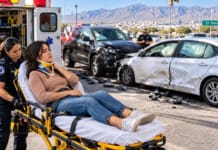
After an automobile collision, slip-and-fall, or work injury, a patient may first describe pain shooting from the low back into the leg. Two weeks later, the pain may be quieter while numbness has moved toward the top of the foot. By the fourth week, the patient may notice that the ankle feels weak or that the foot catches while walking. Those changes matter. A diagnosis should not become permanent simply because it appeared in the first note. When neurological findings evolve, clinicians may need to repeat the examination, reconsider the nerve’s location, and decide whether imaging, electrodiagnostic testing, laboratory evaluation, or specialist referral is appropriate.

Why Changing Neurological Symptoms Deserve Attention
Sciatica commonly describes pain that travels from the lower back or buttock into the leg, but not every case of leg pain, tingling, numbness, or weakness comes from the same structure. Lumbar radiculopathy refers to dysfunction of a spinal nerve root. Typical findings can include sensory loss in a dermatomal distribution, weakness in a myotomal pattern, and changes in reflexes. These findings may overlap, however, with peripheral nerve entrapment, sciatic neuropathy, plexopathy, muscle or joint disorders, and systemic neuropathies (Berry et al., 2019; Dillingham et al., 2020).
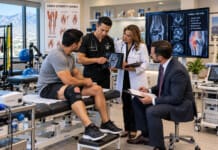
That is why a neurological examination is more than a pain score. Clinicians may compare sensation, muscle strength, deep tendon reflexes, gait, straight-leg-raise responses, spinal motion, and functional tasks. The goal is to see whether the pattern still fits the original working diagnosis. Dr. Jimenez’s overview of radiculopathy and sciatica also emphasizes that clinicians must interpret pain, tingling, numbness, weakness, reflex changes, and imaging findings together rather than in isolation.
A Hypothetical Timeline: The Diagnosis Evolves With the Findings
Initial Visit: A Pattern That Looks Like L5 Radiculopathy
Imagine a patient evaluated two days after a rear-end collision. The patient reports low-back pain radiating through the right buttock and outer calf toward the top of the foot. The great toe feels numb, heel walking is difficult, and big-toe extension is mildly weak. A straight-leg raise reproduces familiar leg symptoms. The combination suggests possible L5 nerve-root involvement because L5 radiculopathy can affect dorsiflexion, great-toe extension, foot inversion or eversion, and sensation over the dorsum of the foot.
At this stage, “possible L5 radiculopathy” is a working diagnosis, not a promise about what every later examination must show. The clinician also documents the collision mechanism, baseline strength, sensory map, reflexes, gait, prior back history, and any red-flag symptoms. This creates a comparison point for later visits. The record becomes clinically stronger when it shows what was observed rather than automatically repeating the same diagnosis.
Four Weeks Later: The Pattern No Longer Fits as Neatly
At the four-week reassessment, suppose the patient’s low-back pain has improved, but numbness is now concentrated over the outer lower leg and top of the foot. The straight-leg raise is less provocative. Dorsiflexion and eversion are weaker, yet ankle inversion remains strong. The patient also reports tenderness near the fibular head.
That pattern deserves a fresh differential diagnosis. L5 radiculopathy and common peroneal neuropathy can both produce foot-drop-type weakness, but ankle inversion can help distinguish them. Weak inversion may support L5 involvement, while preserved inversion with greater weakness of dorsiflexion and eversion may raise concern for a common peroneal nerve lesion. Sensory maps alone may not settle the question because dermatomes and peripheral nerve territories can overlap (Bateman et al., 2025; Distad & Weiss, 2013).
The clinician should not force the new findings into the original label. Instead, the note should explain what changed, which competing diagnoses are now being considered, and why additional testing may be useful. Dr. Jimenez’s discussion of differential diagnosis in sciatica similarly describes the need to distinguish between conditions that can produce overlapping neurological complaints.
Specialist Follow-Up: Localization Becomes More Precise
Now imagine that a specialist performs electromyography and nerve conduction studies. These tests do not replace the clinical examination, but they can help localize nerve dysfunction and distinguish radiculopathy from entrapment neuropathy or polyneuropathy. Needle EMG has relatively high specificity for radiculopathy, while nerve conduction testing can provide additional information about peripheral nerve function (Dillingham et al., 2020).
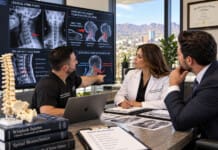
In this hypothetical case, the specialist might conclude that the patient has a focal peroneal neuropathy, persistent L5 radiculopathy, or both. A mixed diagnosis is possible because trauma can affect more than one structure. Clinicians may then interpret MRI alongside the examination and electrodiagnostic results rather than treating it as the diagnosis by itself. This matters because imaging abnormalities can exist without perfectly explaining a patient’s symptoms.
What Clinicians Recheck When Symptoms Move
When numbness spreads, weakness changes, or function declines, a thoughtful reassessment may include:
- repeating muscle testing, sensory mapping, reflexes, gait, heel walking, toe walking, and nerve-tension maneuvers;
- comparing current findings with the original neurological baseline;
- reconsidering L4, L5, or S1 radiculopathy, common peroneal neuropathy, sciatic neuropathy, plexopathy, or other musculoskeletal mimics;
- reviewing MRI or other imaging for a structure that matches the present clinical pattern;
- considering EMG and nerve conduction studies when localization remains unclear;
- reviewing systemic contributors such as diabetes, thyroid disease, nutritional deficiency, medication effects, or other causes of neuropathy;
- escalating urgently when there is severe or progressive weakness, saddle anesthesia, or new bowel or bladder dysfunction.
Progressive neurological deficits are especially important because they may change the urgency of imaging or referral. New bowel or bladder dysfunction, saddle sensory loss, or rapidly worsening motor weakness requires prompt medical evaluation rather than routine observation. Dr. Jimenez’s clinical discussion of radiculopathies and diagnostic testing further reviews the roles of neurological examination, MRI, CT, EMG, and differential diagnosis.
Why Reconsidering the Diagnosis Does Not Mean the First Clinician Was Wrong
Neurological conditions can evolve. Swelling can change, muscle guarding can decrease, a patient may become better able to participate in strength testing, and a nerve deficit may become easier to localize over time. Some injuries also produce overlapping problems. Early lumbar pain with radicular features can coexist with later-recognized peripheral nerve dysfunction.
For personal injury documentation, this distinction matters. A record that explains changing objective findings can be more credible than a chart that repeats identical language at every visit. Longitudinal notes should show what improved, what worsened, what moved, what became measurable, and why the treatment plan or referral strategy changed. That approach supports clinical reasoning and helps attorneys, insurers, consultants, and later treating providers understand the medical sequence without overstating causation.
Coordinated Treatment Should Follow the Updated Diagnosis
Once the working diagnosis is refined, treatment can match the patient’s actual findings. Chiropractic care may address mechanical restrictions, spinal or pelvic dysfunction, and movement limitations when appropriate. Acupuncture and electroacupuncture may be incorporated to support pain control, muscle relaxation, mobility, and rehabilitation tolerance. Therapeutic exercise can progressively restore strength, balance, and gait. When laboratory or medical issues may contribute to nerve symptoms, an MD or nurse practitioner evaluation can help identify metabolic or systemic factors that require treatment.
Careful reassessment protects patients from unnecessary treatment. When clinicians verify localization before escalating care, they can avoid treating the wrong structure and direct rehabilitation toward measurable neurological and functional deficits.
This coordinated model reflects beneficence because the care plan targets the most likely contributors to pain and dysfunction. It supports non-maleficence by emphasizing conservative, non-invasive options when appropriate and by recognizing when a patient needs imaging, electrodiagnostic testing, medication management, injections, or specialist referral. It also protects autonomy because patients should understand why a diagnosis changed, what evidence supports the new explanation, and what choices are available.
What Makes Dr. Jimenez’s El Paso Clinic Distinctive
- Dr. Jimenez’s Injury Medical Chiropractic and Functional Medicine Clinic uses a multidisciplinary structure that combines chiropractic care, nurse-practitioner evaluation, functional medicine, rehabilitation, acupuncture, electroacupuncture, and medical oversight.
- Dr. Maria Guadalupe Cardenas, MD, a board-certified internal medicine physician, serves as Medical Director and Collaborative Physician.
- Dr. Alex Jimenez, DC, APRN, FNP-BC, CFMP, IFMCP, is dual-licensed as a chiropractor and Family Nurse Practitioner and focuses extensively on soft-tissue, neuromusculoskeletal, and personal injury evaluation. Readers can learn more about this structure through the clinic’s clinical team overview.
According to the clinic’s published materials, this is the only El Paso clinic offering this integrated model of medical-director oversight, a dual-licensed soft-tissue injury clinician, and coordinated therapies under one roof. That structure can be especially useful when neurological findings change because the patient can move from musculoskeletal reassessment to medical review, diagnostic testing, rehabilitation modification, and referral without treating each symptom as an isolated problem.
The Most Important Question Is Not “What Was the First Diagnosis?”
The better question is, “What diagnosis best explains the findings today?” A patient whose numbness moves or weakness changes deserves a fresh neurological comparison, not a copied problem list. The initial visit establishes the baseline. The four-week reassessment tests whether the original pattern still holds. Specialist follow-up can add electrodiagnostic or imaging evidence when the anatomy remains uncertain.
For patients recovering from an injury, that process can lead to safer care, clearer expectations, and a treatment plan that changes when the body changes. For clinicians and attorneys, it also produces a more defensible medical story: one that documents the evolution of symptoms, distinguishes nerve-root findings from peripheral nerve conditions, and shows why each diagnostic decision was made.
References
Bateman, E. A., Pripotnev, S., Larocerie-Salgado, J., Ross, D. C., & Miller, T. A. (2025). Assessment, management, and rehabilitation of traumatic peripheral nerve injuries for non-surgeons. Muscle & Nerve, 71(5), 696–714. https://doi.org/10.1002/mus.28185
Berry, J. A., Elia, C., Saini, H. S., & Miulli, D. E. (2019). A review of lumbar radiculopathy, diagnosis, and treatment. Cureus, 11(10), e5934. https://doi.org/10.7759/cureus.5934
Dillingham, T. R., Annaswamy, T. M., & Plastaras, C. T. (2020). Evaluation of persons with suspected lumbosacral and cervical radiculopathy: Electrodiagnostic assessment and implications for treatment and outcomes (Part I). Muscle & Nerve, 62(4), 462–473. https://doi.org/10.1002/mus.26997
Distad, B. J., & Weiss, M. D. (2013). Clinical and electrodiagnostic features of sciatic neuropathies. Physical Medicine and Rehabilitation Clinics of North America, 24(1), 107–120. https://doi.org/10.1016/j.pmr.2012.08.023
Samsudin, M. A. (2024). Systematic localisation based on history and clinical examination. Malaysian Journal of Medical Sciences, 31(6), 217–256. https://doi.org/10.21315/mjms2024.31.6.17
Dr. Alex Jimenez – Supporting Clinical Resources
Jimenez, A. (n.d.). Differential diagnosis in sciatica part 1. Dr. Alex Jimenez.
Jimenez, A. (n.d.). Radiculopathies. Dr. Alex Jimenez.
Jimenez, A. (n.d.). Radiculopathy and sciatica. Dr. Alex Jimenez.
Jimenez, A. (n.d.). Why choose our clinical team?. Dr. Alex Jimenez.
Professional Scope of Practice *
The information herein on "Changing Neurological Symptoms Diagnosis in Injury Cases" is not intended to replace a one-on-one relationship with a qualified health care professional or licensed physician and is not medical advice. We encourage you to make healthcare decisions based on your research and partnership with a qualified healthcare professional.
Blog Information & Scope Discussions
Welcome to El Paso's Premier Wellness and Injury Care Clinic & Wellness Blog, where Dr. Alex Jimenez, DC, FNP-C, a Multi-State board-certified Family Practice Nurse Practitioner (FNP-BC) and Chiropractor (DC), presents insights on how our multidisciplinary team is dedicated to holistic healing and personalized care. Our practice aligns with evidence-based treatment protocols inspired by integrative medicine principles, similar to those found on this site and our family practice-based chiromed.com site, focusing on restoring health naturally for patients of all ages.
Our areas of multidisciplinary practice include Wellness & Nutrition, Chronic Pain, Personal Injury, Auto Accident Care, Work Injuries, Back Injury, Low Back Pain, Neck Pain, Migraine Headaches, Sports Injuries, Severe Sciatica, Scoliosis, Complex Herniated Discs, Fibromyalgia, Chronic Pain, Complex Injuries, Stress Management, Functional Medicine Treatments, and in-scope care protocols.
Our information scope is multidisciplinary, focusing on musculoskeletal and physical medicine, wellness, contributing etiological viscerosomatic disturbances within clinical presentations, associated somato-visceral reflex clinical dynamics, subluxation complexes, sensitive health issues, and functional medicine articles, topics, and discussions.
We provide and present clinical collaboration with specialists from various disciplines. Each specialist is governed by their professional scope of practice and their jurisdiction of licensure. We use functional health & wellness protocols to treat and support care for musculoskeletal injuries or disorders.
Our videos, posts, topics, and insights address clinical matters and issues that are directly or indirectly related to our clinical scope of practice.
Our office has made a reasonable effort to provide supportive citations and has identified relevant research studies that support our posts. We provide copies of supporting research studies upon request to regulatory boards and the public.
We understand that we cover matters that require an additional explanation of how they may assist in a particular care plan or treatment protocol; therefore, to discuss the subject matter above further, please feel free to ask Dr. Alex Jimenez, DC, APRN, FNP-BC, or contact us at 915-850-0900.
We are here to help you and your family.
Blessings
Dr. Alex Jimenez DC, MSACP, APRN, FNP-BC*, CCST, IFMCP, CFMP, ATN
Email: [email protected]
Multidisciplinary Licensing & Board Certifications:
Licensed as a Doctor of Chiropractic (DC) in Texas & New Mexico*
Chiropractic Licenses:
Texas DC License #: TX5807, Verified: TX5807
New Mexico DC License #: NM-DC2182, Verified: NM-DC2182
Nurse Practitioner Licenses:
Texas APRN License #: 1191402, Verified: 1191402 *
New Mexico CNP License #: 90560, Verified 90560
Florida APRN License #: 11043890, Verified: APRN11043890 *
Colorado License #: C-APN.0105610-C-NP, Verified: C-APN.0105610-C-NP
New York License #: N25929, Verified N25929
Georgia APRN License #: GAA-NP005701
Multi-State Advanced Practice Registered Nurse (APRN*) Texas & Multi-States
Multi-state Compact APRN License by Endorsement (43 States)
Compact Status: Multi-State License: Authorized to Practice in 43 States*
Nursing Licensure Compact: Updated Here
DEA Registration: (Drug Enforcement Agency Registered)
All medical (MDs) and family practice providers (FNP-APRN) are registered and licensed to offer various levels of medication.
Verify Providers Here
License Verification Link: Nursys License Verifier
* Prescriptive Authority Authorized (DEA Registered Providers). Call if Required
Board Certification:
ANCC FNP-BC: Board Certified Nurse Practitioner*
Education:
Graduate with Honors: ICHS: MSN-FNP (Family Nurse Practitioner Program)
Degree Granted. Master's in Family Practice, MSN Diploma (Cum Laude)
Dr. Alex Jimenez, DC, APRN, FNP-BC*, CFMP, IFMCP, ATN, CCST
(Board Certified: Family Practice Nurse Practitioner—Multistate)*
(Licensed Nurse Practitioner & Chiropractor - Multistate)*
Clinical Director
DC & FNP License (Review Above)
Digital Business Card
NPI: 1205907805
Dr. Maria Cardenas, MD
(Board Certified: Internal Medicine)
(Licensed Medical Doctor)
Medical Director, Clinical Director & Collaborative Physician
NPI # 1164426748
MD License #: J2933
Licenses and Board Certifications:
MD: Medical Doctor
DC: Doctor of Chiropractic
APRNP: Advanced Practice Registered Nurse
FNP-BC: Family Practice Specialization (Multi-State Board Certified)
FNP-BC: Family Practice Across Life Span (Neonatal to Geriatrics)
RN: Registered Nurse (Multi-State Compact License)
CFMP: Certified Functional Medicine Provider
MSN-FNP: Master of Science in Family Practice Medicine
MSACP: Master of Science in Advanced Clinical Practice
IFMCP: Institute of Functional Medicine
CCST: Certified Chiropractic Spinal Trauma
ATN: Advanced Translational Neutrogenomics
Family with Primary Care Focus (Family Nurse Practitioner or FNP)
- The Family Nurse Practitioner (FNP) promotes, maintains, and restores health for individuals and families across the lifespan. FNPs also identify health risks, promote wellness, and diagnose and manage acute and chronic illness.
- The FNP focuses on comprehensive primary care, promoting healthy lifestyles for patients across the lifespan in settings such as private practice, physician offices, and community health centers.
Memberships & Associations:
TCA: Texas Chiropractic Association: Member ID: 104311
TNA: Texas Nurse Association: Member ID: 06458222
TNP: Texas Nurse Practitioner Association ID: 2025091511
AANP: American Association of Nurse Practitioners: Member ID: 2198960
ANA: American Nurses Association: Member ID: 06458222 (District TX01)
| Primary Taxonomy | Selected Taxonomy | State | License Number |
|---|---|---|---|
| No | 111N00000X - Chiropractor | NM | DC2182 |
| Yes | 111N00000X - Chiropractor | TX | DC5807 |
| Yes | 363LF0000X - Nurse Practitioner - Family | TX | 1191402 |
| Yes | 363LF0000X - Nurse Practitioner - Family | FL | 11043890 |
| Yes | 363LF0000X - Nurse Practitioner - Family | CO | C-APN.0105610-C-NP |
| Yes | 363LF0000X - Nurse Practitioner - Family | NY | N25929 |
| Yes | 363LF0000X - Nurse Practitioner - Family | NM |
90560 |
| Yes | 363LF0000X - Nurse Practitioner - Family | GA | GAA-NP005701 |
Dr. Alex Jimenez, DC, APRN, FNP-BC*, CFMP, IFMCP, ATN, CCST
(Board Certified: Family Practice Nurse Practitioner—Multistate)*
(Primary Care Across Lifespan—Neonatal / Pediatric / Adult / Geriatrics)
(Licensed Nurse Practitioner & Chiropractor - Multistate)*
Clinical Director
Digital Business Card
NPI: 1205907805
Dr. Maria Cardenas, MD
(Board Certified: Internal Medicine)*
(Licensed Medical Doctor)*
Medical Director, Clinical Director & Collaborative Physician
NPI # 1164426748
MD License #: J2933
📆 Schedule Appointment: Schedule 24/7 (Click Here)